New inflation data shows costs are still climbing across essentials like housing, food, gas, and electricity, putting growing pressure on working-class households across Los Angeles and California.
For many working families across California, inflation no longer feels like an economic headline. It feels like survival math.
The latest Consumer Price Index report shows inflation rose 3.8% over the past year, with gas prices jumping 28.4%, electricity rising 6.1%, and groceries continuing to climb. In Los Angeles, where housing costs were already crushing family budgets, the pressure is becoming harder to absorb.
For Latino households especially, the impact can feel even heavier because a larger share of income often goes toward essentials like rent, transportation, food, utilities, and childcare.
That is why financial experts increasingly say one tool is becoming essential again in 2026: a realistic household budget.
This is not about cutting coffee or skipping family outings.
It is about protecting stability in an economy where everyday necessities keep becoming more expensive.
Economists often point out that inflation is lower than the extreme spikes seen during 2022 and 2023.
But many families do not experience the economy through percentages. They experience it through receipts, bills, and monthly bank balances.
Gas prices are hitting workers who commute long distances across Southern California.
Rent continues rising across Los Angeles County.
Food costs remain elevated, especially for beef, fruits, vegetables, and restaurant meals.
Electricity bills are climbing just as California heads into another hot summer.
For households already stretched thin, even “moderate” inflation becomes dangerous when wages fail to keep up.
Inflation does not hit every community equally.
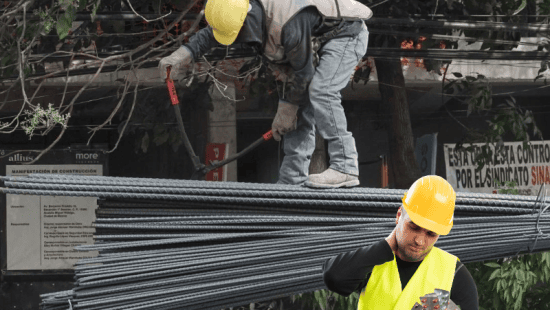
Many Latino workers are employed in industries heavily affected by transportation and fuel costs, including construction, warehousing, hospitality, landscaping, delivery services, and food industries.
That means rising gasoline prices can immediately reduce take-home income.
California’s affordability crisis also creates a second layer of pressure.
When inflation stays elevated, families often compensate by delaying doctor visits, taking second jobs, using more credit cards, or cutting long-term savings.
Over time, those coping strategies can create deeper financial instability.
Why a Household Budget Matters More Now
A household budget is no longer simply a financial planning tool.
For many families, it is becoming a protection strategy.
A strong budget helps households:
• Track spending patterns
• Identify unnecessary expenses
• Prepare for rising utility bills
• Reduce debt growth
• Protect emergency savings
• Avoid falling behind on rent or loan payments
The biggest mistake families make during inflation is underestimating small recurring increases.
A $20 jump in groceries here, a higher gas fill-up there, and a rising utility bill can quietly erase hundreds of dollars each month.
Without a clear budget, many households do not realize how quickly inflation is changing their financial reality.
Key Areas Families Should Watch Closely
Housing Costs
Rent remains one of the largest financial pressures in California. Experts warn shelter inflation could remain elevated through much of 2026.
Transportation
Gasoline prices increased more than 28% year-over-year. There is no relief in sight.
Utilities
Electricity costs continue climbing, and summer heat could push household bills even higher.
Food Spending
Grocery inflation remains persistent. Families may need to rethink shopping habits, meal planning, and restaurant spending.
Debt
High interest rates mean credit card balances are becoming more expensive to carry every month.
What Families Are Already Doing
Across Latino communities in Los Angeles and California, many households are already adapting.
Families are:
• Combining errands to save gas
• Cooking at home more often
• Delaying large purchases
• Taking extra shifts or side jobs
• Sharing housing costs with relatives
• Cutting streaming and subscription expenses
• Looking for lower-cost grocery alternatives
These adjustments reflect a broader reality.
Many working-class families no longer expect prices to return to pre-pandemic levels.
Instead, they are trying to build financial resilience in a permanently more expensive economy.
Economists remain divided on where inflation goes next.
Some believe price growth will cool later this year.
Others warn that housing costs, energy prices, tariffs, global instability, and labor shortages could keep inflation stubbornly elevated.
For California families, especially in Los Angeles, uncertainty itself has become part of the financial burden.
That is why budgeting is becoming less about restriction and more about control.
Families may not control inflation.
But they can better understand where their money is going before rising costs make financial problems even harder to reverse.