Companies including Chedraui, Gruma, and Grupo Bimbo report weaker U.S. performance as inflation, immigration enforcement, and declining consumer confidence reshape spending habits among Hispanic households.
Stricter immigration enforcement under President Donald Trump, combined with rising inflation in the United States, is beginning to affect the financial performance of Mexican companies with significant operations in the U.S. market. Reduced spending by Hispanic consumers has weakened sales for companies such as Chedraui, Gruma, and Grupo Bimbo.
Chedraui Among the Most Affected
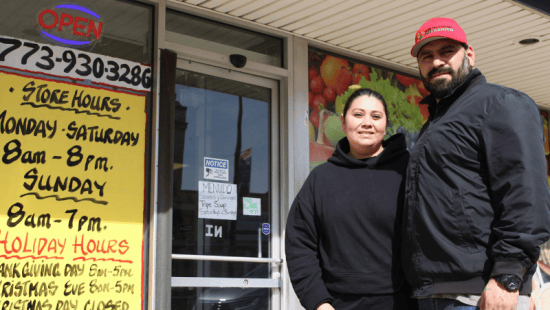
According to analysts, Chedraui is particularly vulnerable because roughly half of its total sales come from the United States, where it primarily serves Hispanic communities. The company reported first-quarter 2026 sales of 69.8 billion pesos, down 6.2% from the same period a year earlier. Its El Super and Fiesta supermarket formats experienced fewer customer transactions, while Smart & Final stores also saw declining sales, especially in Southern California. Company executives attributed part of the weakness to stricter immigration enforcement in that region.
Gruma Faces Weaker U.S. Demand
Gruma reported a 5% increase in overall sales during the first quarter, but growth came from Europe, Asia, Oceania, and Central America. In the United States, sales fell 3% to $851.1 million, while sales volume declined 2%. The company cited weak consumer sentiment caused by inflationary pressures. Analysts noted that Gruma benefits from strong brands and staple food products, which have helped cushion the impact.
Bimbo Also Sees Declines
Bimbo’s U.S. sales fell 13%, dropping to 40.5 billion pesos from 46.6 billion pesos a year earlier. Analysts said both Bimbo and Gruma are highly dependent on the U.S. market, although their presence in multiple countries helps offset some of the risk.
Why Are Hispanic Consumers Spending Less?
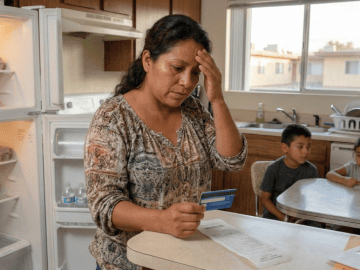
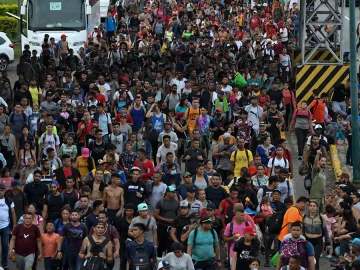
Analysts argue that tighter border controls and immigration policies introduced since 2025 have caused many Hispanic consumers to become more cautious with spending. Inflation has added further pressure, while geopolitical uncertainty—including concerns related to conflict in the Middle East—has encouraged households to save rather than spend. Higher gas and food prices have also reduced discretionary spending.
Despite these challenges, Mexican companies continue investing in the United States. Conagra Brands announced a 550-million-peso investment in new sauce production lines at its plant in Irapuato, Mexico, partly to supply U.S. and Canadian demand. Jumex also said it plans to continue expanding in the U.S., which accounts for about 18% of its revenue. Executives believe demand for Hispanic and Mexican-origin products remains strong among consumers in North America.
Approximately 203,000 Mexicans were repatriated from January 2025 through mid-April 2026. U.S. inflation reached 3.8% in April 2026, the highest level in three years, while consumer confidence fell to historically low levels according to the University of Michigan consumer sentiment index. These factors have contributed to weaker spending patterns among Hispanic consumers and increased uncertainty for businesses.
Mexican companies that rely heavily on Hispanic consumers in the United States are facing a more difficult environment due to stricter immigration policies, inflation, and lower consumer confidence. However, diversification into other markets and continued demand for Hispanic food products are helping some companies weather the downturn.