A snack born in Mexico has become one of the most recognizable favorites among American teenagers, crossing cultural lines while turning extreme spice into a youth culture phenomenon.
The bright red bag is hard to miss.
Takis are spicy, sour, salty and intensely crunchy. For millions of young consumers, they are more than another bag of chips. They have become a recognizable part of American teenage culture, showing up in convenience stores, social media videos and conversations about which snacks are worth the heat.
And the numbers show that Takis are not simply a social media fad.
In Piper Sandler’s Spring 2024 survey of US teenagers, Takis ranked sixth among favorite snack brands, behind Goldfish, Lay’s, Cheez It, Doritos and Cheetos. Five percent of teenagers named Takis as their favorite snack. The brand has remained among the survey’s top 10 since at least 2021.
That is remarkable considering how much longer many of its competitors have been part of American snack culture.
Doritos, Cheetos and Lay’s are household names with decades of history in the United States. Takis arrived much later, carrying a flavor profile that was considerably more aggressive than the traditional American chip.
Yet it found its audience.
It started with Mexico
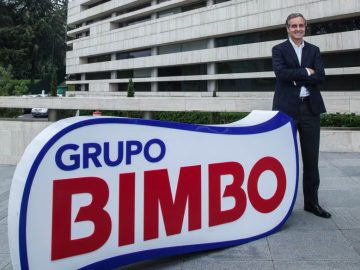
Takis is a Mexican brand made by Barcel, a subsidiary of Mexico based Grupo Bimbo. Takis Fuego was introduced in the United States in 2006.
The company has said the product was initially launched in the US for the growing Hispanic market. But it quickly discovered that its appeal was much broader.
When Barcel received Nielsen’s 2014 US Breakthrough Innovation Award for Takis, the company said teenagers of all ethnicities had been captivated by the snack’s shape and flavor. Grupo Bimbo also said Takis had experienced strong growth and that it had opened a production facility in Texas to meet growing US demand.
That is the unusual part of the Takis story.
It did not become successful in the United States by becoming less Mexican. It became successful while keeping the characteristics that made it distinctive.
The rolled shape was unusual. The red color was unmistakable. The combination of chili and lime delivered something that many mainstream American snacks did not: an aggressive flavor that was spicy, sour and salty at the same time.
For young consumers, that intensity became part of the appeal.
Mexico loves them too
The brand’s popularity is even more striking in Mexico.
Kids Corp’s 2024 Mexico study ranked Takis as the number one favorite snack brand, with 20 percent of respondents in its snack preference sample choosing Takis. Doritos followed at 19 percent and Cheetos at 16 percent. The study covered 14,400 Mexican children and teenagers overall.
So Takis occupies an unusual position.
In Mexico, it is a leading youth snack. In the United States, it has become a top six favorite among teenagers while competing against some of the biggest snack brands in the country.
The result is a Mexican product that has become deeply embedded in American youth culture without losing its Mexican identity.
The billion dollar bag
The popularity is not limited to children saying they like the flavor.
Takis generated approximately $1.1 billion in US sales in 2024, according to industry data. Sales increased 5.6 percent from the previous year, putting Takis among the three largest brands in the US tortilla chip category alongside Doritos and Tostitos.
That makes Takis more than a youth fad.
It is a major American snack business.
Why this flavor?
Part of the answer is intensity.
Takis combines heat, acidity, salt and crunch in a way that is difficult to ignore. The snack also lends itself to challenges. How many can you eat? Can you handle the heat? Can you finish the bag?
That turns a snack into an experience.
Social media has amplified that experience. Videos of teenagers eating spicy foods, reacting to the heat and challenging their friends have helped turn Takis from a packaged snack into a shared experience among young consumers.
But the most important factor may be simpler.
Takis tastes different.
For generations of American children raised on cheese, barbecue and salty potato chips, a rolled corn snack covered in intense chili and lime seasoning offers something more unusual.
It tastes bold.
From a Hispanic market to everyone
The story of Takis also reflects something bigger happening in American food culture.
Foods once associated with particular immigrant or ethnic communities increasingly move into the mainstream. A product can enter the country through one cultural market and then be adopted by consumers who have no connection to that market.
That appears to be what happened with Takis.
The company itself described the product’s early Hispanic positioning and its later appeal among teenagers of all ethnicities. Independent youth surveys now place Takis among America’s most preferred teenage snack brands.
That does not mean every American child loves Takis. They are not the country’s number one snack, and brands such as Goldfish, Lay’s, Cheez It and Doritos rank higher among teenagers.
But Takis has achieved something unusual.
A snack that began in Mexico and entered the United States targeting a growing Hispanic market has become a mainstream American youth brand, generating more than a billion dollars in annual US sales.
The red bag crossed the border.
The flavor did the rest.