The Los Angeles City Council approved the reallocation of up to $940,000 in existing recovery grant funds for workers and businesses affected by the Lineage warehouse fire. The next question is how that assistance reaches the people who need it.
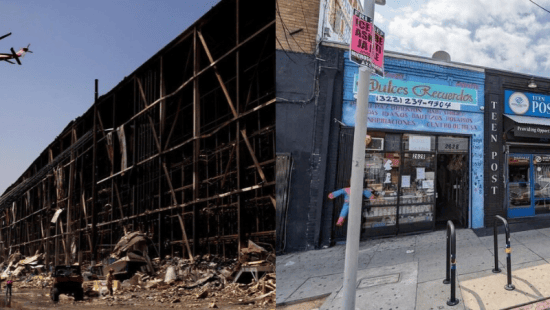
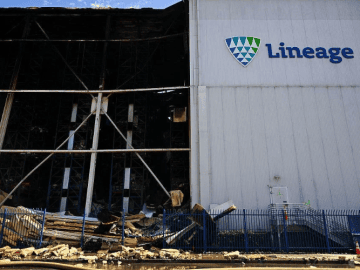
The fire at the Lineage cold-storage warehouse in Boyle Heights began June 17. The flames are gone. Much of the cleanup is finished.
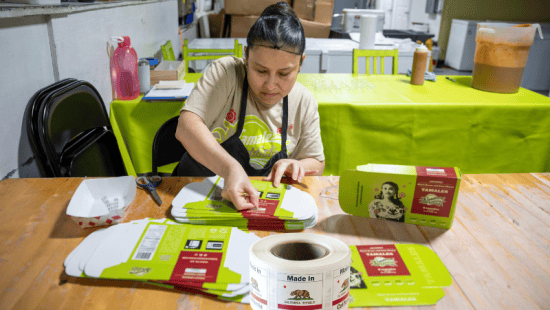
But for workers and neighborhood businesses affected by the disaster, the economic consequences did not necessarily end when the cleanup did.
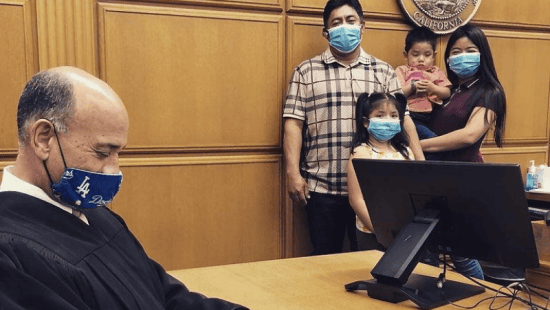
On Sept. 16, the Los Angeles City Council approved Council File 26-0906-S13, authorizing the reallocation of up to $940,000 in Los Angeles County Fire Additional Assistance Grant funds to the Boyle Heights WorkSource Center for Lineage Fire recovery.
The Council adopted the measure 14–0–1, with Councilmember Heather Hutt absent.
S13 does not create a new $940,000 City relief fund, and it does not mean every worker or business affected by the fire will receive a payment. Instead, it redirects existing grant money into a recovery program designed to provide employment and business assistance.
The important story now is what that money is supposed to do — and how quickly it can reach affected workers and businesses.
The Council authorized the City’s Community Investment Department to reallocate up to $940,000 from the Los Angeles County Fire Additional Assistance Grant program to the Boyle Heights WorkSource Center for Lineage Fire recovery.
The official Council file identifies the measure as a reallocation for “impacted workers and businesses.” The City Clerk records the item as adopted on Sept. 16.
The funding does not come from a new City General Fund appropriation.
According to the underlying Community Investment Department materials, the money comes from an existing Los Angeles County Fire Additional Assistance Grant program. The city documents reported no impact to the City’s General Fund.
The program is expected to operate through March 31, 2027, under the approved contract structure.
That makes implementation the next important stage.
Who is the money supposed to help?
The recovery program is designed to assist people whose employment or businesses were affected by the Lineage fire and its aftermath.
The underlying program documents set a target of assisting at least 100 workers and 50 businesses.
For workers, the assistance can include:
- wage support for lost wages;
- job retraining;
- transitional employment;
- emergency supportive services; and
- personal protective equipment.
For businesses, the program includes services intended to help prevent layoffs and provide business consulting.
Up to $250,000 of the allocation is designated for the Boyle Heights BusinessSource Center to provide business-related assistance, according to the program materials.
That matters because the economic impact of a disaster can continue after a business reopens.
Parriva looked at that distinction in its reporting on Los Angeles businesses affected by disasters: a storefront can reopen while an owner is still dealing with lost customers, reduced revenue, workforce disruptions and other costs.
What workers could receive
For workers, the program is not simply a cash distribution.
The approved recovery structure is built around employment and stabilization services.
That can include help replacing lost wages, retraining for another job, transitional employment and emergency support.
The goal is particularly important for workers whose jobs were disrupted by the fire but who may not have a straightforward path back to their previous employment.
The WorkSource Center is intended to be a point of access for those services.
But Council approval does not mean that every affected worker automatically qualifies or that payments begin immediately.
Eligibility, enrollment, documentation and program implementation still determine how assistance reaches individuals.
That is one of the most important things for affected workers to understand.
What businesses could receive
The business component is different.
Rather than simply distributing money to every business affected by the fire, the program includes layoff-aversion services and business consulting.
That can matter for small businesses that lost customers, experienced temporary disruptions or had difficulty keeping workers employed during the emergency.
Boyle Heights businesses have already described the economic effects of the fire.
Parriva previously reported on the experience of Un Solo Sol owner Carlos Ortez, who described the pressure the disaster placed on neighborhood businesses.The new funding gives the recovery system another tool to address that economic disruption.
But again, the important distinction is between funding being made available for a program and a particular business receiving money.
Businesses will have to meet the applicable program requirements and work through the designated recovery system.
The $940,000 is not a new $940,000 City fund created by the Sept. 16 vote.
It is a reallocation of existing Los Angeles County Fire Additional Assistance Grant funds.
Those funds were originally connected to recovery from the 2025 Los Angeles County wildfires.
The Community Investment Department sought to redirect unused resources toward the Lineage fire recovery effort because the existing grant program had not fully used its available funding.
According to a summary of the underlying city documents, the original program had served relatively few people compared with its available resources, creating an opportunity to redirect unspent funding toward the Boyle Heights recovery effort.
That makes S13 partly a story about how disaster-recovery dollars are being repurposed when the needs of a community change.
Why the money is being redirected
The Lineage fire created an unusual recovery problem.
The warehouse itself was the center of the emergency, but its economic effects extended beyond the property.
Workers were displaced. Nearby businesses reported disruptions. Customer traffic was affected. Cleanup continued for weeks.
The City Council’s Sept. 16 actions addressed several parts of that transition, including rebuilding restrictions, possible longer-term mitigation funding and the reallocation of existing grant resources for workers and businesses.
S13 is therefore one piece of a larger recovery effort.
There is other help available now
The $940,000 reallocation is not the only assistance currently available.
Los Angeles County’s Department of Economic Opportunity announced Sept. 17 that eligible small businesses in designated impact areas can apply for grants of up to $3,000 related to the Lineage fire and the East Los Angeles oil spill.
Applications for that program are scheduled to remain open through Oct. 1, 2026.
Businesses must meet specific requirements, including being located within a designated impact area, having operated at the location for at least 30 days before the incident, having no more than 100 employees and having annual gross receipts of $6 million or less. Applicants also must demonstrate or attest to a qualifying economic disruption.
If applications exceed available funding, the County says a prioritization process and weighted lottery will be used.
Los Angeles County small-business recovery grant information and application
The City also maintains a Boyle Heights recovery information page with resources for residents, workers, businesses, nonprofits and faith organizations.
City of Los Angeles Boyle Heights Recovery resources
The Sept. 16 Council vote settled the authorization of the S13 reallocation.
The next question is implementation.
Affected workers and businesses will need clear information about:
- who qualifies;
- what documentation is required;
- where to apply;
- what services are available;
- when assistance becomes available; and
- how long the process will take.
That information is important because disaster assistance can exist on paper without being easy for people to access.
For workers, the Boyle Heights WorkSource Center will be an important point to watch.
For businesses, the separate County grant program provides an immediate avenue for eligible businesses while the S13 recovery program moves forward.
The Lineage fire is no longer primarily an emergency-response story.
It is becoming a recovery story.
The physical cleanup may be largely complete, but the economic effects can last much longer.
That is why the most important measure of S13 will not simply be the amount authorized.
It will be whether eligible workers and businesses can actually find the program, qualify for assistance and receive meaningful help.
The Council approved the reallocation of up to $940,000. Now the recovery system has to make that money work for the people and businesses the program was designed to reach.