A county task force identified the barriers pushing Latino families into homelessness. New homelessness data shows the problem continues to grow. The next question: Will Los Angeles move quickly enough to prevent more families from losing their homes?
For years, community organizations across Los Angeles warned that more Latino families were facing a growing housing crisis.
Now, the numbers are making that warning impossible to ignore.
The Los Angeles County Task Force on Latinx People Experiencing Homelessness was created to understand why Latino residents were becoming homeless at increasing rates and what changes were needed to prevent the crisis from worsening.
But as Los Angeles releases new homelessness data showing continued challenges, the task force’s recommendations have taken on greater urgency.
The issue is no longer simply identifying the problem.
The challenge now is whether county and city leaders can move quickly enough to turn recommendations into action.
Between 2018 and 2024, the number of Latino people experiencing homelessness in Los Angeles County increased by 76%, according to the county’s task force report. Latino residents now represent approximately 45% of the county’s homeless population.
The report found that despite this disproportionate impact, Latino residents are less likely to access and receive county services designed to help people experiencing homelessness.
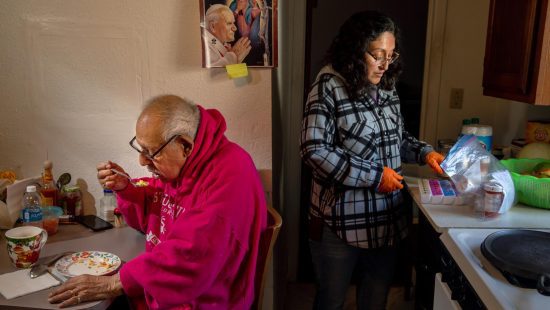
For thousands of families, homelessness does not begin with sleeping outside.
It begins with rising rent, overcrowded housing, unstable employment, wage theft, fear of government systems, or not knowing where to turn for help.
The county’s Task Force on Latinx People Experiencing Homelessness was created after the Board of Supervisors adopted the motion “Immediate Action for the Growing Number of Latinos Experiencing Homelessness.”
The goal was to examine why Latino residents were increasingly falling into homelessness and identify gaps in the county’s response.
The task force included community leaders, researchers, nonprofit organizations, county departments, and homelessness service providers.
Its research included more than 800 community feedback points collected through listening sessions, surveys, and district-level assessments.
The report identified a central issue:
Many Latino families are reaching homelessness through barriers that traditional systems are not designed to detect early.
Why More Latino Families Are Becoming Homeless
Housing Costs Are Creating a Hidden Crisis
One of the biggest drivers is the affordability gap.
As rents continue to rise, many families have responded by sharing homes with relatives or multiple households.
This prevents some families from appearing in traditional homelessness counts, but it creates unstable living conditions.
A lost job, rent increase, illness, or unexpected expense can quickly push an overcrowded household into homelessness.
The task force identified the need for stronger prevention programs that reach families before they lose housing.
Immigration Fear Can Prevent Families From Seeking Help
The report found that fear surrounding immigration status can prevent some Latino families from accessing available services.
Mixed-status households may include U.S. citizens, legal residents, and undocumented family members living together.
Community advocates say uncertainty about government systems can lead families to avoid seeking assistance until they are facing an emergency.
The task force recommended improving trust, coordination, and protections so families can access support without fear.
Language Barriers Create Another Wall
The county report identified limited language access and insufficient bilingual staffing as major barriers.
For families navigating homelessness services, applying for assistance can involve complicated paperwork, multiple agencies, and unfamiliar processes.
Without Spanish-speaking or culturally responsive support, some residents may never successfully enter the system designed to help them.
The task force recommended expanding language access and strengthening culturally competent services across county programs.
Economic Insecurity Pushes Families Toward the Edge
The task force also identified wage theft and economic exploitation as factors contributing to housing instability.
For many low-income workers, one missed paycheck or unpaid wages can create an immediate housing emergency.
The report emphasized that homelessness prevention cannot be separated from economic stability.
The Recommendations: Moving From Response to Prevention
The task force’s recommendations focus on changing how Los Angeles approaches Latino homelessness.
The major priorities include:
1. Better Prevention Before Families Become Homeless
Instead of waiting until families lose housing, the county must identify households at risk earlier.
That includes:
- Rental assistance.
- Tenant protections.
- Overcrowding intervention.
- Housing stability programs.
2. Stronger Partnerships With Community Organizations
The report recommends expanding partnerships with trusted Latino and immigrant-serving community organizations.
Many residents already rely on these organizations because they understand language, culture, and community concerns.
3. Better Data and Accountability
The county recommended improving data tracking to better understand:
- Who is becoming homeless.
- Why families are losing housing.
- Whether services are reaching Latino communities.
Without better measurement, officials cannot determine whether programs are actually reducing homelessness.
The Accountability Question: What Happens Next?
The task force report is an important step.
But reports do not house families.
Implementation does.
The county has begun moving toward the next phase, including evaluating how recommendations can be carried out across departments and community partners.
The coming months will determine whether the recommendations become a meaningful response or another document outlining a problem that continues to grow.
Community members should expect answers to several questions:
How many Latino families will be prevented from becoming homeless?
How quickly will language-access improvements happen?
What funding will support these programs?
How will the public measure progress?
Who will be responsible if results do not improve?
Los Angeles Cannot Wait for the Crisis to Become Worse
The Latino homelessness crisis did not appear overnight.
The county’s own research shows that the increase developed over years, driven by housing costs, economic insecurity, service barriers, and fear of accessing assistance.
The creation of the task force shows that leaders recognize the problem.
But recognition is only the beginning.
With Latino residents representing nearly half of Los Angeles County’s unhoused population, the urgency is no longer about studying the crisis.
The urgency is about preventing the next family from losing their home.
The success of this effort will not be measured by how many recommendations are completed.
It will be measured by how many families remain housed.
The next phase is implementation. Residents should watch whether leaders provide funding, timelines, measurable goals, and public accountability.