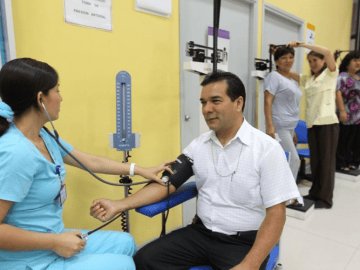
New research tracks rising diagnoses. For California families, understanding personal targets and finding ongoing support are essential next steps.
A diabetes diagnosis tells you what condition you have. A prescription tells you what medicine to take. Neither, by itself, tells you whether your blood sugar is staying within the range your care team recommends.
That takes follow-up: reviewing readings, checking blood tests and adjusting the plan when needed.
Research published October 28 in JAMA Network Open found rising rates of diagnosed diabetes and recorded high blood sugar among insured working-age adults. The findings deserve attention in California, where Latino communities carry a substantial diabetes burden. But they don’t reveal how many patients consistently met their individual treatment targets.
For families managing diabetes, the practical question is what those targets mean and how to get help reaching them.
What the new research tells us
Researchers examined insurance claims from 2018 through 2024 for adults ages 18–64. After adjusting for age and sex, diagnosed diabetes increased from 8.99% to 10.61% among the enrollees studied.
Among those with diabetes, the share with a recorded diagnosis of hyperglycemia, or high blood sugar, rose from 33.96% to 37.32%.
A billing code, however, doesn’t show someone’s blood sugar pattern over several months. These findings don’t mean that everyone with a hyperglycemia code consistently missed their target, or that everyone without one was doing well.
The study excluded uninsured people and adults 65 and older, provided no Latino-specific results and could not determine why rates changed. Differences in detection, billing and the insurance sample could influence the findings.
Separate California evidence shows why ongoing care matters. CDPH reports that in 2021, approximately 3.2 million California adults had diabetes. Prevalence among Hispanic adults was about twice that among non-Hispanic White adults. Those are historical state estimates, not a measurement of today’s rate.
UCLA’s 2025 California Latino Health Almanac, drawing on 2023 survey data, found Latino Californians were less likely to have a usual source of care. That finding raises an important question about access to regular follow-up, although it does not explain the national study’s results.
What it means to meet your target
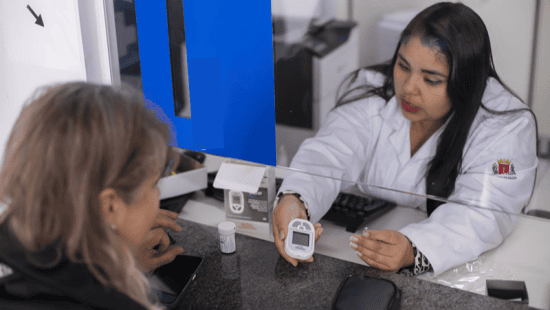
A glucose meter measures blood sugar at a particular moment. An A1C blood test reflects the average over roughly three months.
They answer different questions. Daily readings can reveal highs and lows that an average may hide. A1C helps your care team assess the longer-term pattern.
CDC says an A1C goal of 7% or less applies to most people with diabetes, but your clinician should set your goal using your health history. The number used to help diagnose diabetes is not automatically the target for someone already receiving treatment.
Ask what your latest result means compared with your own goal and previous results. Parriva’s guide to abnormal blood-test results explains how to get a clear interpretation and follow-up plan.
Diabetes care also includes blood pressure, cholesterol, eye and kidney health, and avoiding dangerously low blood sugar. Lowering glucose is one part of that work.
A plan also has to be affordable. NIH advises people who cannot pay for medicines to tell their care team rather than rationing doses or skipping them. Ask whether a lower-cost medicine, covered supply or assistance program is appropriate.
Diabetes education can help with the daily tasks: using a meter, taking medicines, planning meals and responding when readings change. CDC recommends asking for a referral to diabetes self-management education and support. It can be useful after diagnosis and when complications or changes in daily life make care harder. www.cdc.gov
Where to get help and what to bring
East Valley Community Health Center advertises a free diabetes education program for its patients diagnosed with diabetes or prediabetes. It offers Spanish-language sessions in Pomona, Covina and West Covina, with English sessions available on request.
Call 909-632-1224 or complete the program’s interest form to confirm eligibility and the next available session. The free offer covers this education program, not automatically other clinic services. www.evchc.org
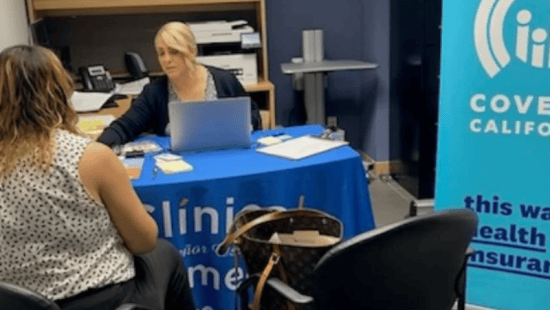
CDC’s diabetes education page also links to a program finder. Before enrolling, ask about language, referrals, insurance coverage and charges.
For your next appointment, bring your glucose log or device and a list of medicines. Ask:
- What is my A1C goal, and am I moving toward it?
- Which readings mean I should call, and how quickly?
- When should I have my next test?
- Who can help if I cannot afford medicines or supplies?
Leave with a specific next step: a test date, a follow-up appointment or an education referral, and the name of the office arranging it. That turns a set of numbers into a plan you can use.