Viral hepatitis can damage the liver for years without warning. On World Hepatitis Day, California Latino families can learn the signs, prevention steps, and where to find testing and care.
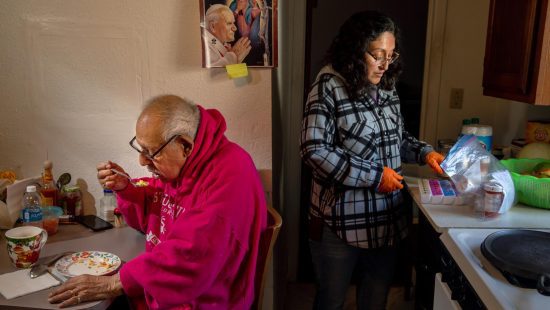
For many Latino families, taking care of our health often comes after taking care of everyone else.
We push through exhaustion, postpone doctor’s appointments, and assume we’ll feel better tomorrow. But some illnesses don’t wait. They quietly damage the body for years before symptoms ever appear.
Viral hepatitis is one of them.
That’s why July 28, World Hepatitis Day, is more than a date on the calendar. It’s a reminder that one simple conversation with your doctor, or one blood test, could prevent serious liver disease years down the road.
For California’s Latino community, that message is especially important.
Why Latinos Should Pay Attention
Research shows Hispanic and Latino communities experience higher rates of chronic liver disease, faster progression to cirrhosis, and greater deaths from viral hepatitis than non-Hispanic White populations. Studies also suggest Latinos are more likely to develop liver fibrosis and liver cancer at younger ages.
Health experts say the reasons extend beyond biology. Nearly 6 in 10 Young Women Get Health Advice From Influencers — What It Means for Latinas and Social Media Wellness Trends
Many families face barriers such as limited access to healthcare, lack of insurance, language differences, delayed screenings, and lower awareness about hepatitis. At the same time, higher rates of obesity, diabetes, and fatty liver disease can accelerate liver damage when hepatitis is present.
“Health disparities are driven by a combination of social, economic and healthcare access factors,” researchers note in a review published in the World Journal of Hepatology.
For California, where Latinos make up nearly 40% of the state’s population, improving awareness could have a significant public health impact.
What Is Hepatitis?
Hepatitis is inflammation of the liver.
Your liver works around the clock. It filters toxins, processes medications, stores nutrients, helps regulate blood sugar, and supports digestion.
When the liver becomes inflamed over time, permanent scarring, known as cirrhosis, can develop. In severe cases, hepatitis can lead to liver failure or liver cancer.
The three most common viral types are:
- Hepatitis A: Usually spread through contaminated food or water. A vaccine is available.
- Hepatitis B: Spread through contact with infected blood or bodily fluids. Vaccination provides strong protection.
- Hepatitis C: Spread primarily through blood exposure. Although there is no vaccine, today’s medications can cure most infections if they’re diagnosed early.
Why Hepatitis Is Called a Silent Disease
One of the biggest dangers is that hepatitis often causes no symptoms for years or even decades.
Many people feel completely healthy while the virus slowly damages their liver.
By the time symptoms appear, significant liver injury may already have occurred.
That’s why early screening is one of the most effective tools for preventing serious complications.
Warning Signs You Should Never Ignore
Although chronic hepatitis often has no symptoms, watch for these warning signs:
- Yellowing of the skin or eyes (jaundice)
- Dark, tea-colored urine
- Pale or clay-colored stools
- Pain on the upper right side of the abdomen
- Persistent fatigue
- Loss of appetite
- Nausea or vomiting
- Low-grade fever
- Joint pain
- Unexplained itching
These symptoms don’t always mean hepatitis, but they should always be evaluated by a healthcare provider.
Four Ways to Protect Your Liver
1. Ask for Hepatitis Screening
Many people assume routine blood work includes hepatitis testing.
It usually doesn’t.
Ask your healthcare provider whether you should receive a Hepatitis C antibody test or a Hepatitis B screening based on your age, vaccination history, and risk factors.
The CDC recommends that all adults be screened for hepatitis C at least once during their lifetime.
2. Get Vaccinated
Safe and highly effective vaccines protect against:
- Hepatitis A
- Hepatitis B
There is currently no vaccine for hepatitis C, making screening even more important.
3. Reduce Everyday Risks
Simple habits can lower your risk of infection:
- Never share razors, toothbrushes, nail clippers, or glucose monitors.
- Choose licensed tattoo and piercing shops that use sterile, single-use needles.
- Wash your hands thoroughly after using the restroom and before preparing food to help prevent hepatitis A.
4. Keep Your Liver Healthy
For people living with hepatitis, managing other health conditions is just as important.
Doctors recommend:
- Maintaining a healthy weight
- Managing diabetes and blood sugar
- Eating a balanced diet rich in fruits, vegetables, beans, and whole grains
- Staying physically active
- Limiting or avoiding alcohol, which can speed liver damage
Care Is Available, Even Without Insurance
Many families avoid getting tested because they worry about the cost.
Across California, Federally Qualified Health Centers (FQHCs) and community health clinics offer affordable healthcare, preventive screenings, vaccinations, and language assistance regardless of insurance status. Many also provide services on a sliding fee scale.
If you don’t have a primary care provider, these clinics are often the best place to begin.
A Healthier Future Starts With Awareness
Too often, hepatitis isn’t discovered until someone develops cirrhosis or liver cancer. Yet today’s reality is much more hopeful.
Vaccines can prevent hepatitis A and B. Modern medications can cure most hepatitis C infections. And early diagnosis can prevent years of silent liver damage.
For many Latino families, the most important step is also the simplest: ask to be tested.
On this World Hepatitis Day, protecting your liver isn’t just about your health. It’s about being there for your children, your parents, and the people who count on you every day.
One test. One vaccine. One conversation.
It could save your life.