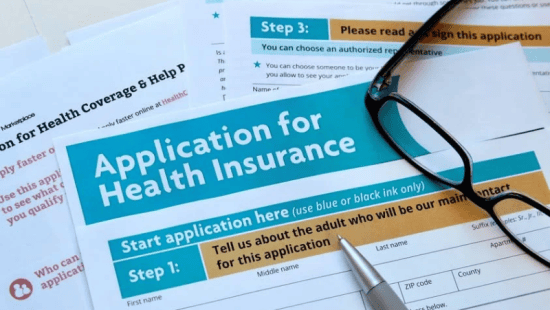
Gov. Gavin Newsom vetoed AB 1049, blocking a proposed change to California’s food-assistance program that would have stopped counting a sponsor’s income and resources when determining eligibility for certain immigrants.
Gov. Gavin Newsom vetoed Assembly Bill 1049 on Sept. 18, blocking a California effort to change how financial eligibility is calculated for some immigrants seeking food assistance.
The bill would have removed federal sponsor-deeming rules from the California Food Assistance Program, or CFAP.
Newsom’s official veto message said the change could create a significant inconsistency between CFAP and CalFresh, which currently use the same sponsor-deeming requirements. He also pointed to existing exemptions and called for greater awareness of those exemptions.
The veto means AB 1049 will not change CFAP eligibility rules.
First: What is CFAP?
CFAP is California’s state-funded food-assistance program for certain noncitizens who do not qualify for federally funded CalFresh solely because of their immigration status.
The California Department of Social Services explains CFAP eligibility and lists groups that can qualify, including certain lawful permanent residents, parolees, conditional entrants and people who are battered or abused.
CFAP is separate from CalFresh, California’s version of the federal Supplemental Nutrition Assistance Program, or SNAP.
That distinction matters: AB 1049 was not a change to CalFresh.
Parriva has also explained the 2026 CalFresh changes affecting immigrant families, including federal changes that altered eligibility for some noncitizens.
What is sponsor deeming?
Some immigrants obtain lawful permanent residence through a sponsor who signs an affidavit of support.
Under sponsor-deeming rules, some of the sponsor’s income and resources can be counted when determining whether the sponsored immigrant qualifies for certain public benefits.
California currently applies those rules to CFAP, subject to exemptions.
In practical terms, that can mean an applicant’s eligibility calculation includes financial information from a sponsor who may not actually be providing financial support.
What AB 1049 would have changed
AB 1049 would have removed the federal sponsor-deeming rules and related sponsored-noncitizen exemptions from the CFAP eligibility framework.
The goal was to determine eligibility more directly from the applicant’s own household financial circumstances.
It would not have automatically made every immigrant eligible for food assistance. Other income and eligibility requirements would still have applied.
The change also would not have happened immediately. The enrolled bill set implementation for Jan. 1, 2028, or later if California’s automated welfare system was not ready.
Because Newsom vetoed the bill, that change will not take effect through AB 1049.
Why Newsom vetoed it
Newsom’s veto message focuses on the relationship between CFAP and CalFresh.
He said he was reluctant to create different sponsor-deeming rules for the two programs and raised concerns about the consequences of establishing a significant difference between them.
Newsom also pointed to exemptions that already exist under current sponsor-deeming rules and directed the California Department of Social Services to work with counties and community organizations to make those exemptions better known.
That is the Governor’s stated rationale for the veto.
Why supporters wanted the change
Supporters argued that sponsor deeming can create an additional barrier for immigrants applying for food assistance.
The Assembly Human Services Committee’s analysis described situations in which sponsors may be unavailable or unwilling to provide financial information and identified communication and administrative challenges.
The California Latino Legislative Caucus identified AB 1049 as 2026 priority legislation, describing the measure as an effort to remove sponsor-deeming requirements from CFAP.
Those arguments explain why supporters sought a change.
They do not, however, establish how many additional Californians would have qualified for benefits under AB 1049.
This does not change CalFresh
This distinction is especially important for people trying to understand their own benefits.
AB 1049 would not have changed federal CalFresh eligibility, and its veto does not change it now.
The bill concerned California’s separate state-funded CFAP program.
Parriva’s coverage of California’s changing CalFresh rules provides additional context on how food-assistance eligibility is changing in 2026.
California has also already approved a separate expansion of CFAP to income-eligible Californians age 55 and older regardless of immigration status. The California Department of Social Services says that expansion is scheduled for Oct. 1, 2027.
That expansion is separate from AB 1049.
The veto therefore does not cancel that previously approved CFAP expansion. It means the additional sponsor-deeming change proposed by AB 1049 will not become part of the program.
What the veto means for applicants
For people applying for CFAP, the immediate takeaway is simple:
The existing sponsor-deeming rules remain in place.
The veto does not mean that people who would have qualified under AB 1049 have lost an existing benefit. The proposed change had not yet taken effect.
It means California will continue using the current eligibility framework, including its existing sponsor-deeming rules and exemptions.
The state’s CFAP information remains the appropriate starting point for understanding current eligibility.
The evidence: What we know
FACT: Newsom vetoed AB 1049 on Sept. 18, 2026. The Governor’s legislative update lists AB 1049 among the bills he vetoed.
FACT: AB 1049 would have removed federal sponsor-deeming rules from CFAP.
FACT: CFAP is separate from federally funded CalFresh.
FACT: The proposed change was scheduled for 2028 or later depending on California’s automated welfare system.
FACT: Newsom said his concern was the potential inconsistency between CFAP and CalFresh and pointed to existing sponsor-deeming exemptions.
INTERPRETATION: Supporters argued that removing sponsor deeming would reduce administrative barriers and make eligibility more closely reflect an applicant’s own financial circumstances.
What the evidence cannot tell us
The veto does not establish how many Californians would have become eligible for CFAP under AB 1049.
It does not establish how many current applicants are affected by sponsor deeming.
It does not establish how much CFAP participation would have increased if the bill had become law.
And it does not tell us whether lawmakers will return to the issue in a future legislative session.
What happens now?
AB 1049 is finished for the 2025–26 legislative session.
The existing CFAP sponsor-deeming framework remains in place.
The separately approved CFAP expansion for people age 55 and older remains scheduled for Oct. 1, 2027, according to the state.
For immigrant families trying to understand food assistance, the important distinction is between a proposed change to eligibility rules and a change that actually became law.
AB 1049 proposed changing how sponsor income and resources are treated.
The Governor’s veto means those rules remain in place.