For decades, South Los Angeles was known as the center of Black political and cultural life in the region. Today, it is one of the largest Latino population centers in Los Angeles. The story behind that transformation is about migration, opportunity, and a changing city.
South Los Angeles has always been a place of change.
The neighborhoods that make up the region have experienced some of the most significant social, economic, and demographic transformations in Los Angeles history.
For much of the 20th century, South Los Angeles was recognized nationally as a center of Black culture, political activism, and community leadership.
It was home to civil rights movements, influential artists, business owners, churches, and elected officials who shaped Los Angeles.
But beginning in the late 20th century, another transformation was underway.
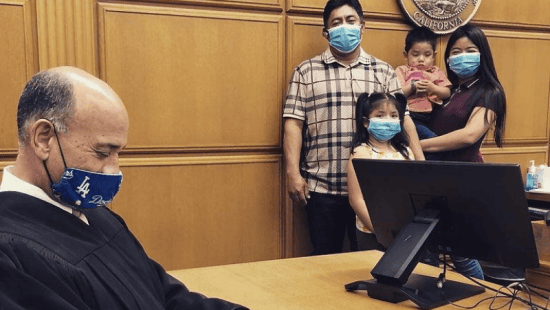
A growing number of Latino families began moving into South Los Angeles, building businesses, raising families, and becoming part of the fabric of neighborhoods that had already been shaped by generations of Black residents.
Today, Latinos make up the largest population group across much of South Los Angeles.
That shift did not happen overnight.
It was the result of decades of demographic change driven by immigration, housing patterns, economic changes, and the movement of families throughout the region.
A Community Built Through Multiple Migrations
The history of South Los Angeles has always been connected to migration.
During the first half of the 20th century, thousands of Black Americans moved to Los Angeles during the Great Migration, leaving the American South in search of industrial jobs, greater opportunity, and escape from segregation.
Many settled in South Los Angeles, helping build neighborhoods that would become centers of Black political and cultural influence.
By the middle of the century, South Los Angeles had become one of the most important Black communities on the West Coast.
But Los Angeles continued changing.
Beginning in the 1970s and accelerating through the 1980s and 1990s, immigration from Mexico and other Latin American countries transformed many parts of the city.
Families who arrived in Los Angeles often searched for affordable housing, employment opportunities, and communities where they could establish themselves.
South Los Angeles became one of those places.
Housing Costs and the Search for Opportunity
One of the biggest forces behind demographic change was housing.
As Los Angeles became increasingly expensive, working-class families looked for neighborhoods where they could afford homes or apartments while remaining connected to jobs and transportation.
South Los Angeles offered those opportunities.
Many Latino families moved into neighborhoods where housing costs were lower compared with other parts of the city.
Over time, these families established roots.
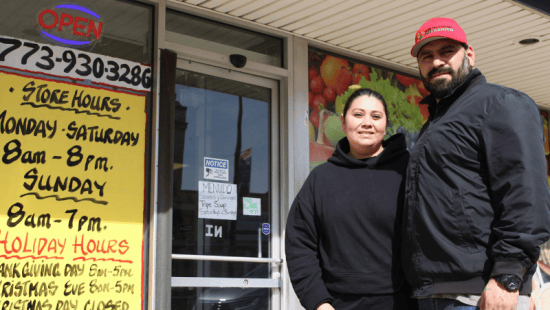
They opened businesses.
They joined churches and community organizations.
Their children attended local schools.
They became homeowners.
A temporary destination for some became a permanent home for many.
The Latino Population Growth Accelerated
By the 1990s, the demographic shift was becoming impossible to ignore.
South Los Angeles was becoming increasingly Latino while remaining deeply connected to its Black history and institutions.
The 2000 U.S. Census marked a major milestone.
For the first time, Latino residents became the largest population group in what had historically been considered South Central Los Angeles.
The numbers reflected a transformation that had been building for years.
Across the broader South Los Angeles region today, Latinos represent roughly two-thirds of the population, while Black residents remain one of the area’s most important communities.
The result is a region that is both Latino-majority and historically Black.
Understanding both realities is essential to understanding South Los Angeles today.
Why Demographic Change Did Not Immediately Change Political Power
One of the biggest lessons from South Los Angeles is that population change does not automatically produce political change.
Even as Latino residents became the majority population, political institutions often reflected the communities and voting patterns that existed before the demographic transition.
Several factors contributed to that gap.
Many Latino residents were immigrants who could not vote because they were not U.S. citizens.
The Latino population was also younger on average, meaning many residents had not yet reached voting age.
Meanwhile, Black residents in South Los Angeles had decades of political organization, voter participation, and civic institutions that helped maintain representation.
Churches, neighborhood organizations, labor groups, and longtime community leaders played an important role in shaping local politics.
The result was a community where demographic change happened faster than political change.
A New Generation Growing Up in South Los Angeles
The current political moment is also connected to a generational shift.
Many Latino residents who now live in South Los Angeles are not newcomers.
They are second- and third-generation Angelenos.
They attended local schools.
They built careers.
They started businesses.
They became community leaders.
For this generation, South Los Angeles is not simply a place where they arrived.
It is home.
That distinction matters.
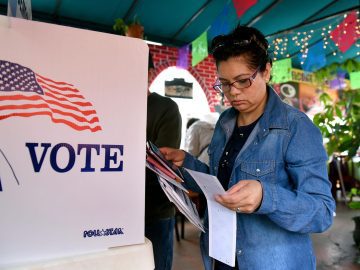
Political participation often grows when communities develop a sense of belonging and long-term investment in the places where they live.
A Shared Future for Black and Latino Communities
The demographic story of South Los Angeles should not be understood as a competition between communities.
The region’s future will likely depend on cooperation between its Black and Latino residents.
Both communities have experienced many of the same challenges:
- rising housing costs
- economic inequality
- environmental concerns
- educational challenges
- access to healthcare
- neighborhood investment
The question facing South Los Angeles is not which community belongs.
Both do.
The question is how a changing community builds political power while respecting the history and contributions of everyone who helped create it.
The Next Chapter of South Los Angeles
The transformation of South Los Angeles represents one of the most significant demographic shifts in Los Angeles history.
A region once identified primarily through its Black political identity is now also one of the city’s largest Latino population centers.
That change has already reshaped neighborhoods, businesses, schools, and culture.
Now, it may be reshaping politics.
The election of a first Latino representative in City Council District 9 would not mark the beginning of South Los Angeles’ transformation.
It would represent something different:
A political system beginning to catch up with a demographic reality that has been developing for decades.
The next question is whether this demographic transformation will become lasting political influence.
That is the story South Los Angeles is beginning to write.