California’s economy continues to expand, but many families say higher wages haven’t kept pace with rising housing, food, healthcare, and childcare costs.
California’s economy continues to rank among the largest in the world. Businesses are hiring, unemployment remains relatively low compared with historic levels, technology companies continue investing billions of dollars, and the state generates more economic output than most countries.
Yet ask many Californians how they feel about the economy, and you’ll likely hear a different story.
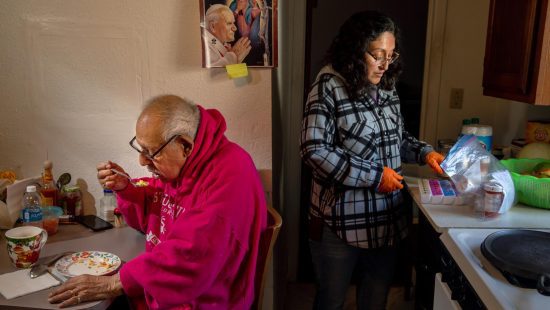
Many families say they’re working just as hard as ever but still struggle to pay rent, buy groceries, cover childcare, or save for the future.
So how can California’s economy be growing while so many households feel financially squeezed?
The answer lies in the difference between economic growth and personal financial security.
When economists say the economy is growing, they’re usually referring to measures such as Gross Domestic Product (GDP), employment, business investment, and consumer spending.
California continues to perform well in many of these areas. The state remains a global leader in technology, entertainment, agriculture, healthcare, international trade, and clean energy. Together, these industries generate trillions of dollars in economic activity each year.
But those numbers describe the economy as a whole. They don’t necessarily reflect what individual families experience every month.
For many households, the real economy is measured by a much simpler question:
Can we pay our bills without falling behind?
Housing remains the single largest expense for most California families.
Whether renting or paying a mortgage, many households spend well above the commonly recommended 30% of their income on housing. In many communities, rent has increased faster than wages over the past decade, leaving families with less money for other necessities.
Higher housing costs also ripple through the rest of the economy. Families often move farther from work in search of lower rents, increasing commuting costs and reducing time spent with their families.
For Latino households, who are more likely to rent than the statewide average, rising housing costs can have an especially significant impact on monthly budgets.
Inflation has cooled from its recent peak, but many prices remain much higher than they were just a few years ago.
Groceries, auto insurance, utilities, childcare, healthcare, and household necessities continue to consume a growing share of family income.
Even when wages increase, many workers say those raises disappear quickly because everyday expenses have risen so much.
The result is what economists sometimes call the “affordability gap”—the difference between what families earn and what it actually costs to live comfortably.
California has created jobs in many sectors, but wage gains have not been evenly distributed.
Workers in high-paying industries such as technology and specialized healthcare have generally seen stronger income growth than workers in retail, hospitality, food service, agriculture, and many service occupations.
That uneven growth helps explain why headline economic numbers can look strong while many working families continue to struggle.
For households living paycheck to paycheck, even small increases in rent or insurance premiums can erase the benefits of a modest pay raise.
Why Latino Communities Feel the Pressure
Economic trends do not affect every community equally.
Latino workers make up a significant share of California’s workforce in industries such as construction, healthcare support, hospitality, transportation, agriculture, education, and small business ownership.
Many Latino households also have multigenerational living arrangements, making rising housing costs, food prices, and childcare expenses particularly important household concerns.
These financial pressures can make it more difficult to build savings, purchase a home, or invest in higher education.
What State Leaders Are Doing
California policymakers have responded with a range of initiatives aimed at easing financial pressure, including:
Expanding affordable housing construction.
Increasing the state minimum wage for certain industries.
Supporting childcare and preschool programs.
Investing in workforce development and job training.
Expanding access to healthcare and behavioral health services.
Offering tax credits and financial assistance for eligible families.
Supporters argue these investments strengthen long-term economic opportunity. Critics contend that high living costs, regulatory burdens, and limited housing supply continue to offset many of those gains.
Most economists agree that solving California’s affordability challenges will require progress on multiple fronts, particularly housing production and workforce development.
What Families Can Do
While broader economic conditions are shaped by policy and markets, households can still take practical steps to improve their financial resilience.
Consider these actions:
Review your household budget at least once each month.
Check whether you qualify for state or local assistance programs.
Compare insurance and utility providers when possible.
Build an emergency savings fund, even if contributions start small.
Explore workforce training or certification programs that can increase earning potential.
Small financial decisions made consistently over time can help families better weather periods of high living costs.
Economic growth is important because it creates jobs, attracts investment, and generates tax revenue that supports public services.
But for most Californians, success isn’t measured by GDP reports or stock market performance.
It’s measured by whether they can afford a safe place to live, keep food on the table, pay their bills on time, and provide opportunities for their children.
Until more families feel those benefits in their daily lives, California’s economic success will continue to feel incomplete.
Parriva Community Impact
For California’s Latino communities, this story is about more than economics. It is about opportunity.
When housing, transportation, healthcare, and childcare consume a growing share of family income, it becomes harder to save, invest, start a business, or purchase a first home. Understanding why this disconnect exists helps families make informed financial decisions while encouraging public policies that expand opportunity for everyone.