After a failed City Council veto, LAPD says it has tightened access, data retention and information-sharing rules. But questions remain about who will check whether those protections work during the three-month pilot.
A camera records your license plate as you drive to work, visit family or stop at a store. You may never notice it, but the record can show where your vehicle was and when.
Los Angeles police are preparing to test more of these cameras, raising questions about who can see that information and how long it remains available.
On October 27, the Los Angeles City Council voted 9–6 to block a three-month license plate reader pilot involving Axon Enterprise. The effort needed 10 votes to overturn an earlier approval by the Board of Police Commissioners, allowing the program to move forward.
The Los Angeles Police Department says it has strengthened its privacy rules. The next question is how the city will make sure those rules are followed.
What Privacy Protections Has LAPD Announced?
Automated license plate readers photograph passing vehicles and record plate numbers, locations, dates and times. Police use the information to investigate crimes, locate stolen vehicles and identify vehicles connected to investigations.
The cameras also collect information about drivers who are not suspected of wrongdoing.
A July 2026 review by LAPD’s Office of the Inspector General found that the department’s existing systems recorded more than 210 million license plate reads during August and September 2025.
That is why rules governing access to the records matter.
LAPD officials say they have reduced the period during which routine license plate records remain searchable from two years to 90 days.
After 90 days, those records would no longer be available for routine searches. That does not necessarily mean every record is permanently deleted, particularly information preserved for investigations.
The department has also described new requirements for officers who use the system, including supervisory approval, online training and a test.
Approximately 4,000 officers would have authorized access.
LAPD says it has suspended direct database access for outside agencies while reviewing information-sharing arrangements. Individual requests must be documented and reviewed before information is released.
The department has also described restrictions intended to prevent sharing license plate information with federal immigration authorities.
For immigrant families, the distinction matters. A camera may record a vehicle during an ordinary trip to work, school or a medical appointment. Residents need to know whether that information can reach agencies beyond the LAPD.
The proposed Axon agreement also includes restrictions on how the technology company may use information collected for the city.
But rules governing a vendor are different from rules governing officers who search police databases.
Who Will Check Whether the Rules Are Followed?
Councilmember Hugo Soto-Martínez, who led the effort to block the pilot, argued that stronger oversight should be established before additional cameras are installed.
At the October 27 meeting, he said:
“We should take time to make sure that we have thorough, thoughtful protections laid out before we install more cameras.”
His concerns included independent audits, oversight of information-sharing agreements and limits on which officers can search license plate records.
LAPD has described monthly inspections, external audits and expanded public reporting as part of its oversight approach.
Those commitments could help establish whether officers are following the rules. But important details remain unresolved in the publicly available information reviewed for this article.
Who will conduct the external audits? Will auditors examine individual searches? Will the public be able to see their findings?
There is also a difference between identifying an improper search and holding someone accountable for it.
An audit may detect unusual activity, but residents still need to know what happens when a violation is discovered and who decides whether corrective action is necessary.
These questions do not establish that LAPD’s safeguards are ineffective. They identify what the city still needs to demonstrate as the program moves forward.
What Happens During the Three-Month Pilot?
The Board of Police Commissioners approved the Axon Lightpost pilot on September 22.
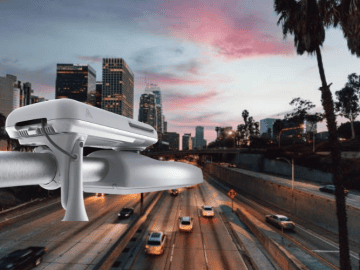
The program would place additional license plate readers on city streetlights for a three-month test. The October 27 vote allows that agreement to proceed, but it does not establish that installation has been completed or that a permanent expansion has been approved.
Supporters say the technology can help police investigate crimes and locate stolen vehicles or missing people.
Councilmember Bob Blumenfield, who opposed blocking the pilot, argued that the city would have another opportunity to negotiate protections when deciding whether to expand the program.
“The point of leverage is going to come after the three months,” he said.
That makes the pilot’s evaluation particularly important.
LAPD officials have described monthly reports covering inspections and the program’s progress. The department says it wants to measure both the technology’s public-safety value and compliance with its safeguards.
The available records do not yet establish when a final evaluation will be released or exactly what results would justify expanding the program.
The Police Commission will remain an important oversight body if LAPD seeks to continue or expand the use of the cameras.
How Los Angeles Residents Can Follow the Program
Residents who want to follow the pilot can review official city records rather than waiting for another announcement.
The Los Angeles City Council’s file 26-1394 contains the legislative history of the Axon pilot, including its review by the Public Safety Committee.
The Board of Police Commissioners provides meeting information and oversight proceedings. Reports from the Office of the Inspector General can also help residents understand how LAPD uses surveillance technology.
The developments worth watching are the installation date, the promised monthly reports, audit findings, changes to information-sharing policies and any proposal to expand the system.
Los Angeles has already decided that the pilot can move forward. The next test is whether the city can show, with records residents can examine, that the promised privacy protections are being followed.