As retailers adopt artificial intelligence and digital price tags, Latino shoppers face growing questions about transparency, personal data, and whether the price on the shelf tells the whole story.
For families trying to stretch every dollar at the supermarket, comparing prices has long been part of the weekly routine. But as retailers introduce new technologies to determine prices and promotions, shoppers may face a new challenge: understanding how those prices are set and whether everyone sees the same deal.
An Associated Press report published October 18, 2026, examined growing consumer frustration with the increasingly sophisticated ways restaurant chains and major retailers set prices. The report highlighted the spread of digital shelf labels, artificial intelligence tools, and practices known as dynamic pricing and surveillance pricing, which have prompted questions about fairness and the use of personal information.
For Latino families in California, where groceries are a recurring household expense, the issue raises a practical question: Could technology change what shoppers pay, and how would they know? The answer requires separating what companies can do from what evidence shows they are actually doing.
From Digital Price Tags to Personalized Prices
Electronic shelf labels are replacing paper tags in some supermarkets, allowing stores to update prices digitally rather than printing and replacing labels manually. Their presence does not necessarily mean a store is charging different customers different amounts. The technology can simply make price changes easier to implement.
Dynamic pricing is different. It involves adjusting prices as market conditions change, potentially in response to demand, timing or inventory. Surveillance pricing raises a more personal concern because it can use information about consumers to tailor prices or promotions.
That distinction matters to shoppers. A price that changes for everyone because of market conditions is not the same as a price tailored to an individual based on personal information.
The Federal Trade Commission raised concerns about the latter practice in preliminary findings published in January 2025. Its staff examined information from companies offering pricing technology and found that such systems could draw on data including precise location, browsing history, shopping behavior and demographic characteristics to influence the prices or discounts consumers see. The companies examined served clients across sectors, including grocery and retail.
The findings did not establish that every supermarket uses individualized pricing or that Latino customers are systematically charged more. They did, however, show why regulators are asking questions about transparency and consumer privacy.
Why Latino Shoppers Should Pay Attention
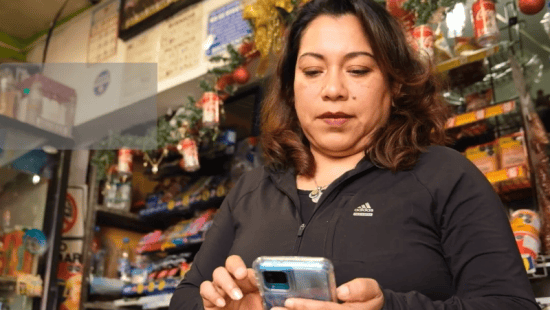
For households managing tight budgets, even small differences in grocery prices can matter over time. Families may compare stores, search for weekly specials, use loyalty programs or download shopping apps to find lower prices.
Those same tools can generate information about purchasing habits, preferred products and shopping frequency. Retailers may use customer data to personalize coupons and promotions, but consumers do not always know what information is collected or how it influences the offers they receive.
This creates an important question for Latino communities: Are shoppers receiving meaningful savings, or are some promotions designed around predictions about what individual customers are willing to pay?
There is currently no evidence presented in the federal findings establishing that Latino consumers as a group pay higher grocery prices because of their ethnicity. Investigating whether pricing systems produce unequal outcomes would require comparing actual prices, promotions, and purchasing conditions across customers and stores.
Language access is another issue worth examining. Spanish-speaking shoppers should be able to understand how loyalty programs work, what data they share through store apps, and whether promotional prices come with restrictions.
The central concern is not whether technology is inherently harmful. It is whether consumers have enough information to understand the prices they see and make informed choices.
California Regulators Are Looking Into the Issue
California has begun examining how businesses use personal information to set individualized prices.
On January 27, 2026, California Attorney General Rob Bonta announced an investigative sweep focused on surveillance pricing and compliance with the California Consumer Privacy Act. The state said it was examining businesses that use personal information to determine targeted prices for products and services.
The law provides consumers with privacy rights, and the attorney general warned that certain unexpected uses of personal information could raise compliance concerns. The announcement did not establish that all individualized pricing violates California law.
For consumers, the investigation could help clarify what information companies collect, how they use it and what disclosures may be required.
How Shoppers Can Protect Their Budgets
Until more information becomes available, consumers can take practical steps to compare prices. Checking the unit price on products, comparing receipts across stores, and reviewing loyalty program terms can help shoppers understand whether a promotion actually saves money.
Consumers can also review the privacy settings of retailer apps and limit optional data sharing when possible. Comparing an advertised price with the price displayed at checkout may help identify discrepancies that warrant a question to the store.
For journalists and consumer advocates, a more direct test would involve comparing identical products at the same time across store locations, apps and loyalty accounts, while documenting any differences and asking retailers to explain them.
The Price of Not Knowing
Technology may help retailers manage inventory, reduce operating costs and offer targeted discounts. But when consumers cannot understand why a price changes or whether their personal information influences an offer, trust can suffer.
For Latino families, the issue is ultimately about more than electronic labels or sophisticated software. It is about the ability to make informed decisions at the checkout counter.
The question facing shoppers and regulators is straightforward: When two people shop for the same product, can they understand why they see different prices, if they do, and what role their personal data plays?
Until companies provide clearer answers and independent comparisons establish how these systems operate in practice, consumers will have reason to keep checking the price tag, the receipt, and the fine print.