As California waits for final election results, research shows political life is often more stressful, isolating, and thankless than most voters realize.
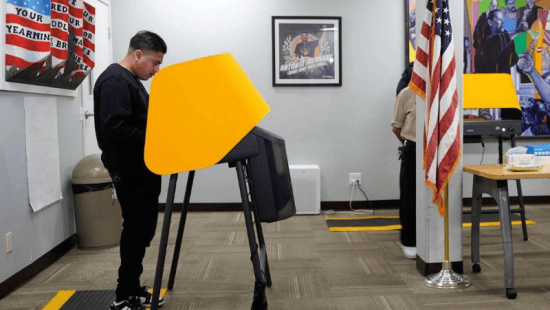
While California and Los Angeles County continue counting ballots and finalizing election results, there is something else worth reflecting on: the people who stepped forward and put their names on the ballot.
Voters may disagree with candidates. They may question their motives. Some may believe politicians are driven by power, money, ego, or ambition.
Yet running for public office remains one of the most scrutinized and emotionally demanding jobs in public life.
Research consistently shows that politicians operate in an environment defined by criticism, public distrust, relentless schedules, and pressure that few other professions experience. Despite that reality, thousands of Americans continue to run for city councils, school boards, county offices, state legislatures, Congress, and other public positions every election cycle.
That raises a simple question: Why would anyone willingly choose this path?
Public Trust Is Near Historic Lows
One challenge facing elected officials is that many Americans begin with deep skepticism.
A Pew Research Center analysis found that 85% of Americans say elected officials do not care what people like them think. The figure has climbed dramatically over the past two decades and reflects widespread frustration with government institutions and political leadership.
The finding is worth noticing because it shapes the environment every candidate enters.
Whether running for Congress, the California Legislature, the Los Angeles City Council, or a local school board, candidates often face voters who are already distrustful before a campaign even begins.
In many professions, success brings appreciation.
In politics, success often guarantees criticism from one side, the other side, or both.
A Job Where Pleasing Everyone Is Impossible
Politics differs from most careers because every major decision creates winners and losers.
A city budget funds one priority over another.
A housing proposal helps some neighborhoods and frustrates others.
A tax measure benefits certain groups while imposing costs on others.
The result is a profession where consensus is rare and criticism is constant.
Political scientists often note that elected officials operate in an environment where complete public approval is mathematically impossible. Every vote, policy decision, and public statement can trigger backlash from constituents, advocacy groups, media organizations, donors, or political opponents.
For many public officials, the pressure does not end when the workday ends.
It follows them home.
The Salary Myth
Many Americans assume politicians enter public life primarily to become wealthy.
The reality is more complicated.
Members of Congress earn $174,000 annually. While that is well above the national median income, it is often substantially less than what attorneys, executives, physicians, entrepreneurs, and other highly educated professionals could earn in the private sector.
The same dynamic exists at state and local levels.
Many local elected positions pay relatively modest salaries, especially when measured against the time commitment, public scrutiny, and career risks involved.
That does not mean politics lacks financial opportunity.
Former elected officials often build lucrative careers as consultants, lobbyists, media personalities, speakers, authors, or corporate advisors after leaving office.
But those opportunities typically come after years of public service, not from government paychecks themselves.
Why People Run Anyway
Research points to three common motivations that continue to attract people to public office.
They Believe They Can Make a Difference
Many candidates genuinely believe government can improve people’s lives.
Whether the issue is housing, immigration, education, healthcare, public safety, transportation, or economic opportunity, many candidates enter politics because they believe they can solve problems that others have failed to address.
For some, public office represents a chance to translate deeply held values into policy.
They Want Influence
Political leadership offers something few careers provide: the ability to shape decisions that affect millions of people.
Laws, budgets, regulations, public investments, and community priorities often originate from decisions made by elected officials.
The opportunity to influence those outcomes attracts people who are comfortable with responsibility and leadership.
They Believe Their Actions Matter
Political scientists describe this as “internal political efficacy,” the belief that individual action can influence government outcomes.
Most people see a complicated political system and feel powerless.
Candidates often see the same system and believe they can change it.
That mindset helps explain why some individuals run despite long odds, intense scrutiny, and uncertain outcomes.
Why This Matters for California
California’s future will be shaped by people willing to enter public life.
The state faces major challenges involving housing affordability, healthcare access, public education, economic mobility, immigration policy, transportation infrastructure, and climate resilience.
Los Angeles County alone governs a population larger than many U.S. states.
Addressing those issues requires a pipeline of people willing to compete for public office, withstand criticism, and make difficult decisions.
That does not mean voters should stop holding leaders accountable.
Democracy depends on scrutiny.
But accountability and appreciation are not mutually exclusive.
A voter can disagree with a candidate’s policies while still recognizing the commitment required to run.
What Happens After the Votes Are Counted
In the coming days and weeks, California voters will learn who won and who lost.
Some candidates will celebrate.
Others will return to private life.
Most will never hold office.
Yet every election depends on people willing to step into an arena where criticism is guaranteed, trust is scarce, and success is uncertain.
At a time when public confidence in government remains fragile, that willingness to participate may be worth recognizing regardless of political affiliation.
Democracy ultimately depends not only on voters who show up at the ballot box, but also on citizens willing to place themselves before those voters and accept whatever judgment follows.