Onswik could reduce basal-insulin injections from daily to weekly, but patients still need to understand who can use it, its risks and when it will become available.
For people with type 2 diabetes who need basal insulin, a new FDA-approved treatment could change one of the most routine parts of diabetes management: how often they have to inject insulin.
The U.S. Food and Drug Administration has approved Onswik (insulin efsitora alfa-gobe), a once-weekly basal insulin from Eli Lilly, for adults with type 2 diabetes. It is intended to be used along with diet and exercise to help control blood sugar.
The approval matters in California, where diabetes affects millions of adults. The California Department of Public Health says about 3.2 million California adults had diabetes in 2021, with about 90% of those diagnoses being type 2 diabetes.
It also has particular relevance for Hispanic and Latino communities, which experience a higher prevalence of diagnosed diabetes than non-Hispanic White adults nationally.
In previous articles we have explained the basics of diabetes, including the differences between type 1 and type 2 diabetes, in its guide to what you should know about diabetes.
But the new insulin should be viewed as another treatment option, not as a solution to the broader disparities surrounding diabetes.
What is different about Onswik?
The biggest difference is frequency.
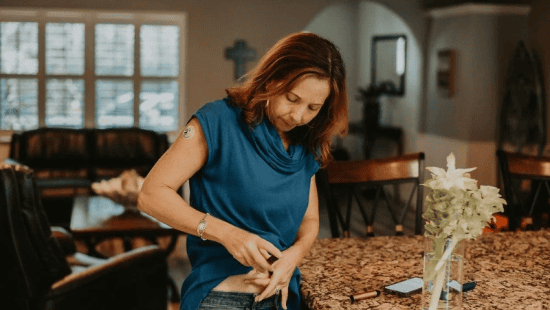
A once-daily basal insulin requires roughly 365 injections a year. Onswik is designed to be taken once a week, or about 52 injections a year. That means the treatment could reduce the number of basal-insulin injections by more than 300 annually.
The FDA approval was supported by the QWINT Phase 3 clinical program, which included more than 3,400 adults with type 2 diabetes.
In those studies, Onswik produced reductions in A1C, the blood test commonly used to measure average blood sugar, that were not inferior to the daily basal insulins used for comparison, including insulin glargine and insulin degludec.
The evidence does not show that weekly insulin is automatically “better” than daily insulin. It shows that, in the clinical trials used for approval, Onswik provided comparable blood-sugar control while requiring fewer basal-insulin injections.
And Onswik is entering a U.S. market where another once-weekly basal insulin, Awiqli (insulin icodec), was already approved earlier in 2026. Parriva recently examined what that first weekly insulin means for cost, insurance and Medicare access.
Why this matters for Latino communities
Hispanic adults experience a higher prevalence of diagnosed diabetes than non-Hispanic White adults.
A CDC analysis of 2021–2024 data found diagnosed diabetes in 10.7% of Hispanic adults, compared with 8.9% of non-Hispanic White adults.
California’s health department also reports that diabetes has been more prevalent among Hispanic Californians than among non-Hispanic White Californians.
That makes new treatment options relevant to many Latino families in California.
But there is an important distinction: there is not yet evidence that Onswik specifically works better for Latino patients or eliminates diabetes disparities.
The strongest evidence today is about the medication itself: it can provide comparable A1C reduction to certain daily basal insulins while reducing injection frequency.
For patients who find daily injections difficult to incorporate into their lives, having another option could matter.
What Onswik does not mean
A weekly injection does not mean diabetes management becomes a once-a-week activity.
Patients may still need blood-sugar monitoring, other diabetes medications, dietary changes, physical activity and regular medical care, depending on their individual treatment plan.
And Onswik is not approved for people with type 1 diabetes. Lilly says it should not be used for type 1 diabetes because of the risk of severe hypoglycemia, or dangerously low blood sugar. Onswik prescribing information from Eli Lilly
The medication also carries potential risks and side effects, including low blood sugar, injection-site reactions, allergic reactions, skin changes at injection sites, itching, rash, swelling and weight gain.
Because Onswik is designed to provide insulin over an extended period, patients should follow their prescribed dosing instructions carefully and should not change their dose on their own.
When will Onswik be available?
The FDA approval does not mean the medication is already available at every U.S. pharmacy.
Lilly says the Onswik KwikPen is expected to become available in the United States in the coming months. It will be offered in two concentrations: 500 units/mL and 1,000 units/mL.
The company has not yet announced a U.S. list price in the information released with the FDA approval.
That means cost and insurance coverage remain important unanswered questions for California patients.
We have also reported on the broader issue of insulin affordability, including changes that have allowed some patients to obtain insulin for $35: What lower insulin costs mean for patients.
California has also taken steps to limit insulin cost-sharing for people enrolled in certain state-regulated health plans. However, that does not mean every insulin product will automatically cost $35 for every patient, and Onswik’s coverage will depend on the patient’s insurance and formulary.
For adults with type 2 diabetes who need basal insulin, Onswik adds another option: one basal-insulin injection a week instead of one a day.
Clinical trials found comparable A1C reduction to the daily basal insulins studied, while the weekly schedule could reduce the number of basal-insulin injections by more than 300 per year.
For California’s Latino communities, the development is worth watching because diabetes affects Hispanic adults at higher rates than non-Hispanic White adults.
But the practical questions are still ahead:
When will Onswik reach California pharmacies? What will insurers cover? What will patients actually pay? And which people with type 2 diabetes will benefit most from switching to a weekly schedule?
Those answers will determine how much this FDA approval changes everyday diabetes care.
Important: Onswik is a prescription medicine. Whether it is appropriate for a particular patient depends on that person’s medical history, current diabetes treatment and other factors. Patients should discuss treatment changes with their healthcare provider rather than changing insulin doses on their own.