Reports of increased immigration enforcement have prompted alerts and rapid-response efforts in Los Angeles and the Central Valley. The reported scope of the operation remains unconfirmed by federal officials.
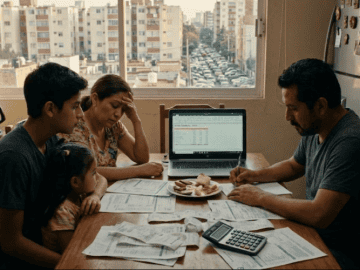
For immigrant families in Southern California, reports of increased enforcement raise a familiar worry: could a trip to work, a court appointment or a neighborhood stop lead to an encounter with federal agents?
Since early October, immigrant defense groups and local news organizations have reported increased activity in Los Angeles County and the Central Valley. Community networks have shared alerts and tried to verify sightings. DHS has not confirmed the reported operation’s name, duration or scope, and community estimates are not official arrest totals.
What is known about the reported operation?
On October 7, the Washington Examiner reported that Immigration and Customs Enforcement had begun a 45-day operation called “Operation Safe California.” Citing a source familiar with the plan, it said the operation began around San Diego and could move north.
The report described targeting immigrants with and without criminal records, but DHS has not confirmed the operation’s name, duration or deployment.
Other media reported that at least 45 and possibly as many as 80 people had been arrested across Southern California since the reported surge began. That was not an official DHS tally.
ICE is not discuss operations, citing operational security and officer safety.
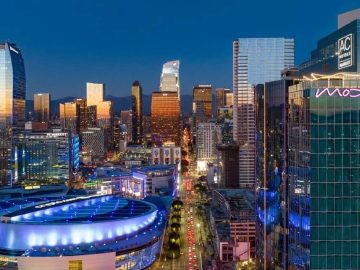
Los Angeles: Reports of arrests and a community response
Immigrant defense groups told local media that people had been arrested at immigration court appointments and Department of Homeland Security offices where biometric information is collected. The reports worry people who must visit government offices for immigration cases.
Mayor Karen Bass issued Executive Directive 17, addressing city property, transparency and accountability. On September 30, she signed an ordinance codifying components of the directive. They set rules for city property and procedures, not federal enforcement.
Bass has criticized the campaign, while Sen. Alex Padilla has raised concerns about arrests involving people who may have lawful status or be U.S. citizens. These are allegations, not findings that every reported arrest was unlawful. DHS has not answered every allegation in local coverage.
Fresnoland reported that local watch groups estimated around 70 people had been detained in Fresno and Madera during one week in early October. The estimate came from local legal responders and community networks, not a federal count.
Fresnoland reported that the Rapid Response Network of Kern confirmed sightings across parts of the Central Valley and Central Coast beginning October 6. Huy Tran of SIREN, which supports the Valley Watch Network, described a sharp rise in reports over two to three days.
Community observers worry that others could also be detained, but reports do not establish how often.
Rep. David Valadao, who represents part of the Central Valley, said DHS told his office that operations focused on people with active warrants and criminal histories. That differs from the broader targeting described by the anonymous source cited by the Washington Examiner. The government has not publicly reconciled the accounts.
Videos, neighborhood alerts and reports from community watch groups have circulated across Southern California and the Central Valley. Rapid-response networks help residents report activity and connect people with legal assistance.
Social media reports may be incomplete or inaccurate: videos may be old, locations misidentified, and vehicle descriptions alone do not prove an immigration arrest. Verify reports before treating them as fact.
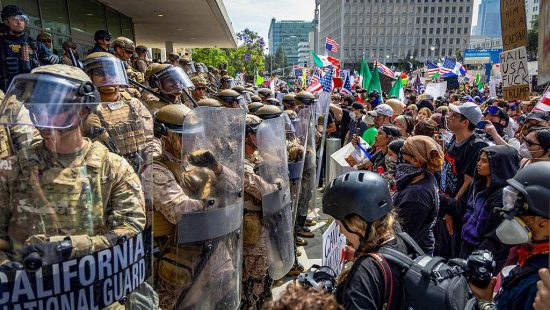
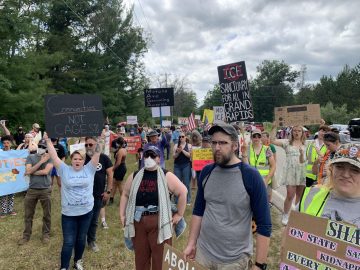
After major demonstrations in Los Angeles in 2025 and protests on January 30, 2026, following fatal shootings involving federal immigration agents in Minneapolis, it is too early to say whether the current response marks a lasting shift away from street protests. Available reporting does not explain the difference; fear, organizing capacity and local circumstances remain possibilities, not confirmed explanations.
What Los Angeles residents can do
People who witness possible immigration enforcement activity can contact the Los Angeles Rapid Response Network at 888-624-4752. The Los Angeles County Office of Immigrant Affairs lists it for reporting activity and connecting people with support.
Residents can share what they personally observed, including time and location, while being clear about what they do not know. Unverified rumors can create confusion and fear. Anyone whose family member may have been detained can seek help from a qualified legal-services organization.
See Parriva’s reporting on ICE arrest levels in California and immigration detention numbers.
The November 3 midterm elections are approaching, and critics question whether the surge has a political dimension. Available reporting does not show that officials designed it to provoke protests or suppress voting. DHS describes its work as law enforcement; critics challenge its scope and effects.
Key questions are whether DHS will clarify the operation, reliable arrest totals become available, and community networks continue documenting activity. Families need reliable information about what is happening, where to turn for help and how to distinguish confirmed reports from unverified posts.