A survey of Los Angeles hotels found that many did not see the financial boost they expected from the 2026 World Cup. With the Olympics approaching, the results raise questions about visitor demand, room reservations and whether local businesses and workers will share in the benefits.
Hotel workers who expected extra shifts, businesses counting on more guests and hotel owners who prepared for a summer rush had reason to hope the 2026 FIFA World Cup would bring a stronger season to Los Angeles. But a new industry survey found that many participating hotels came away disappointed.
The findings raise a practical question for Los Angeles as it prepares for the 2028 Olympic and Paralympic Games: how can the city better judge how many visitors will come, where they will stay and how much business local companies can realistically expect?
The survey does not measure the tournament’s entire economic impact, and it cannot predict how the Olympics will perform. But it offers a useful warning. A major sporting event can draw worldwide attention without filling every hotel or delivering the extra work some employees expected.
Why many hotels say the World Cup fell short
A survey by the Hospitality Education and Research Organization, a project of the Hotel Association of Los Angeles, found that 72% of responding hotels said the World Cup hurt their financial performance in 2026. Nearly half described the impact as extremely negative, while 2% said the results met their expectations.
The survey was conducted by the Hospitality Education and Research Organization (HERO), a project of the Hotel Association of Los Angeles. The association sent the survey to 210 hoteliers in the City of Los Angeles between July 23 and August 7, 2026. Fifty-eight hotels answered at least one question, while 47 completed the full survey. The report notes that percentages were based on the hotels that answered each question. That means the findings reflect participating hotels, not every hotel in Los Angeles.
Downtown hotels recorded 66% occupancy in June, down from 71% a year earlier. In other words, about one in three available rooms downtown went unoccupied that month.
Hotels charged more for rooms. The average daily rate reached $228, the highest reported for a comparable Los Angeles event in three years. But higher prices do not guarantee higher overall revenue when fewer rooms are booked. The report also found that downtown room nights fell between 10% and 12%.
FIFA had reserved blocks of hotel rooms for staff, media and other tournament personnel, but some reservations were later released. In its May 2026 outlook, the American Hotel & Lodging Association reported that roughly half of hotel respondents across World Cup host markets had experienced significant releases of reserved rooms. The association said those early reservations had created an overly optimistic picture of demand.
That helps explain why some operators were disappointed, but it does not account for every change in demand. Travel costs, visitor numbers and where people choose to stay can also affect hotel business.
Fewer bookings can mean fewer hours for workers
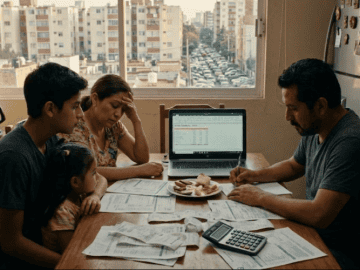
The impact was not limited to hotel owners. In the survey, 82% of responding properties said they reduced seasonal staffing. More than six in 10 reported cuts to employee shifts, scheduled hours or permanent staff.
For workers who expected extra hours during the tournament, that could mean less income than they had planned for. It also matters to businesses that depend on visitors staying nearby and spending money on meals, transportation and other services.
Still, the hotel survey did not count every dollar spent by World Cup visitors. People may have eaten at local restaurants, attended watch parties or visited attractions without booking a traditional hotel room. The findings should not be read as a final verdict on the tournament’s total economic value.
Parriva has also examined the wider stakes in its reporting on the World Cup, the Olympics and Los Angeles’ finances and equity. The question is not only how much money an event generates, but where that money goes and who gets a chance to earn it.
Short-term rentals added competition
Hotels also faced competition from short-term rentals.
The Los Angeles Times reported that short-term rental demand rose 23% and revenue increased 21% compared with July 2024. Hotel revenue, by contrast, fell 3.3% over that comparison period.
Those figures suggest some visitors may have chosen private homes or apartments instead of hotel rooms. But they do not prove that short-term rentals alone caused the hotel industry’s disappointing results. The measures also cover a different comparison period from the downtown June occupancy figures.
The issue could matter again in 2028, when hotels and rental hosts compete for visitors. Officials will need to look at the full mix of accommodation options and actual booking trends rather than assume every arriving visitor will stay in a hotel.
What the Olympic money forecast really means
A study by the Los Angeles County Economic Development Corporation, commissioned by LA28, estimated that planning for and hosting the Olympic and Paralympic Games could generate between $20.5 billion and $40.6 billion in economic output across Greater Los Angeles. It also projected $1.6 billion to $4.3 billion in direct spending by nonresident visitors in Los Angeles County.
The estimates cover multiple years and several sources of economic activity, not hotel revenue alone. Readers can consult the LAEDC report listing and LA28’s summary of the study for the forecast and its scope.
Los Angeles County has also released a separate economic-impact analysis with different estimates and a different scope. Those figures should not be compared directly with the LAEDC study without examining the methods and time periods each report uses.
The Olympics will differ from the World Cup in the length of the event, the range of sports and the movement of visitors between venues. That could create more opportunities for some hotels. It does not guarantee that every property, worker or neighborhood will benefit.
What Los Angeles should watch before 2028
Los Angeles still has time to prepare. Organizers and tourism officials can track hotel bookings, study where visitors plan to stay and update forecasts as real reservations come in. They can also ask businesses and workers what they are seeing, rather than relying only on projections made years before the Games.
Local businesses can prepare, too. Parriva’s guide to getting ready for LA28 small-business contracts explains how companies can start exploring opportunities before the Olympics arrive. Winning a contract or attracting customers is not guaranteed, but preparation gives businesses more time to understand what is available.
The most useful questions for the next two years are straightforward: Are hotel bookings rising? Are visitors staying longer? Are short-term rentals drawing guests away from hotels, or serving different needs? Are workers receiving more hours? And are local businesses seeing actual spending, not just forecasts?
The World Cup survey cannot answer all those questions. It does show why Los Angeles should keep checking its assumptions as the Olympics approach.
For hotel workers, business owners and residents, the measure of success will not be the size of the spotlight on Los Angeles. It will be whether visitors actually arrive, spend money locally and create opportunities that people across the region can feel.