Gov. Gavin Newsom has signed California AB 2624, creating new address protections for qualifying immigrant aid workers. Here is what the law changes, who can qualify and why it has sparked a debate over journalism and free speech.
California AB 2624 is now law, but the political debate surrounding it has made the measure harder to understand than it needs to be.
Supporters say the law is about protecting immigrant aid workers, employees and volunteers from doxxing, harassment and threats. Critics have called it the “Stop Nick Shirley Act” and argue that it could interfere with investigative journalism and efforts to expose fraud.
The statute itself is more specific than either description.
AB 2624 expands California’s existing Safe at Home address confidentiality system to qualifying people who work or volunteer with organizations providing immigration support services. It also creates restrictions on publishing or distributing certain personal information when the person doing so has the specific intent that the information be used to cause imminent violence or threats of violence.
For California readers, the most important question is not which political label wins. It is what California AB 2624 actually changes.
What is California AB 2624?
Assembly Bill 2624, authored by Assemblymember Mia Bonta, D-Alameda, expands California’s address confidentiality protections to certain immigration support service providers, employees and volunteers.
Gov. Gavin Newsom signed the measure on Aug. 22, 2026.
The Los Angeles Times reported that the law allows qualifying workers and volunteers at organizations that assist immigrants to shield their home addresses from public records.
The program is scheduled to open to eligible applicants on Oct. 1, 2027.
That timing is important. Although AB 2624 is now law, the new immigration-support protections are not available immediately.
What does AB 2624 actually protect?
The easiest way to understand the law is to start with California’s existing Safe at Home program.
The California Secretary of State’s Safe at Home program allows eligible people facing certain safety risks to use a designated mailing address instead of their residential address in qualifying government records.
AB 2624 adds qualifying immigration support service providers, employees and volunteers to the categories of people who can seek those protections.
The legislation covers people connected to designated facilities that can include nonprofit organizations, community legal clinics, law offices and health facilities providing immigration-related services.
But working for an immigration organization does not automatically mean someone receives the protection.
The applicant must meet the program’s eligibility requirements.
Who can qualify?
Under AB 2624, the protections are aimed at people who face threats of violence or harassment because of their connection to an immigration support service provider.
According to the legislation and reporting on the final law, applicants will have to register through the Secretary of State’s program and provide evidence supporting their eligibility.
The new program is therefore not simply a blanket rule saying that every employee of an immigration organization can hide their address.
That is an important distinction for readers who may encounter broader claims about the law online.
How does the address protection work?
The basic idea is relatively simple.
Instead of having an eligible participant’s residential address appear in certain government records, the participant can use a substitute address through Safe at Home.
Government agencies generally must accept that substitute address when responding to qualifying public-record requests.
The purpose is to make it harder for someone to use government records to locate the participant’s home.
California has used the Safe at Home model for years for other groups facing safety risks. AB 2624 extends that framework to qualifying immigration support workers and volunteers.
Why are people calling it the “Stop Nick Shirley Act”?
This is where the political controversy enters the story.
Opponents have labeled AB 2624 the “Stop Nick Shirley Act,” referring to independent journalist and online personality Nick Shirley, whose reporting and videos have focused on alleged fraud involving immigrant-serving organizations.
Critics argue that the law could make it harder for journalists or other investigators to identify and publicly document people connected to organizations receiving public money.
The controversy received national attention and became one of the primary arguments against the legislation.
But the nickname is not the name of the law, and Nick Shirley is not mentioned in the statute.
The bill’s legislative language focuses on designated immigration support service providers, employees and volunteers, as well as specific circumstances involving the publication or distribution of personal information.
That is why readers should be careful about treating the political nickname as a description of what the statute actually says.
Does AB 2624 ban investigative journalism?
This is one of the biggest questions surrounding California AB 2624.
The short answer is: the law does not contain a blanket prohibition on investigative journalism.
The legislation does, however, establish restrictions concerning the online publication, solicitation, sale or trading of certain personal information in specified circumstances.
One provision addresses posting the personal information or image of a protected person when the person posting it has the specific intent that someone else imminently use that information to commit a violent crime or threat of violence.
The law also addresses situations involving intent to incite imminent great bodily harm.
Those details are important because they are substantially different from saying that the law simply makes it illegal to investigate an immigration organization or publish information about it.
CalMatters’ legislative tracking describes the final measure as restricting certain online activity involving the personal information or images of designated immigration support service providers, employees and volunteers when the required harmful intent is present.
At the same time, concerns about journalism should not simply be dismissed.
Why are First Amendment concerns part of the debate?
The free-speech question emerged during the legislative process.
The Los Angeles Times reported in May that First Amendment experts had raised concerns about whether portions of the legislation could have unintended consequences for legitimate reporting.
That concern deserves to be separated from the broader political rhetoric.
There are two different questions:
First: Should people be protected from having their home addresses exposed in a way intended to facilitate harassment, threats or violence?
Second: Could restrictions on publishing personal information unintentionally affect legitimate reporting, investigations or public accountability?
It is possible to answer “yes” to the first question while still examining the second.
That is the more useful way to understand the controversy.
The Foundation for Individual Rights and Expression, for example, has argued that some portions of the legislation could raise First Amendment concerns while also acknowledging that provisions aimed at threats and incitement address conduct that generally falls outside protected speech.
In other words, the debate is not as simple as “journalism is banned” versus “there are no free-speech issues.”
What AB 2624 does not mean
Several claims circulating about the law can make it sound broader than the legislation actually is.
It does not automatically hide every immigration worker’s home address.
Eligibility requirements apply. A person does not receive Safe at Home protection simply because they work in the immigration field.
It does not make Nick Shirley part of California law.
His name does not appear in AB 2624. “Stop Nick Shirley Act” is a political nickname used by opponents.
It does not create a blanket ban on reporting about immigration organizations.
The law contains specific restrictions concerning personal information and specified harmful intent. It does not contain a general prohibition on investigating or reporting on immigration-service organizations.
It does not take effect immediately.
The new immigration-support provisions are scheduled to become available Oct. 1, 2027.
Why this matters in Los Angeles
For Los Angeles, the law matters because immigrant-serving organizations are an important part of the region’s community infrastructure.
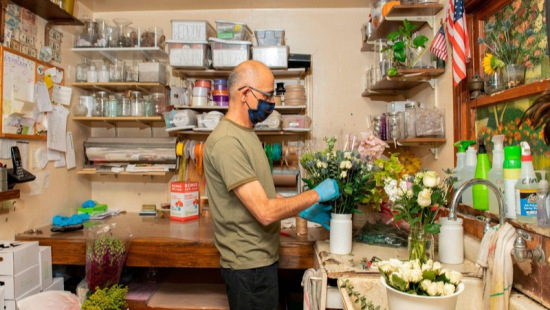
Legal clinics, nonprofit organizations, health providers and other service organizations help immigrant families navigate issues ranging from immigration proceedings to access to basic services.
Those workers can also become highly visible during periods of intense political conflict over immigration.
That makes the question of worker safety particularly relevant in Los Angeles, where immigration policy is a major political and community issue.
Parriva has previously covered how changing immigration policies affect California families, including what green card holders should know about detention and how immigration enforcement can affect communities.
AB 2624 addresses a different problem: what happens when the people helping immigrant communities become targets themselves.
The immediate next step is implementation.
The Secretary of State will administer the expanded confidentiality program, and eligible applicants will eventually be able to seek protection through the Safe at Home system.
The new program is scheduled to begin accepting these participants on Oct. 1, 2027.
The other issue to watch is the continuing legal and constitutional debate.
Because AB 2624 involves both privacy protections and restrictions concerning the publication of personal information, questions about how the law is interpreted and applied could continue after it takes effect.
That means the most important part of this story may not be the political argument surrounding the bill’s signing.
It may be what happens when someone actually tries to use the law.
California AB 2624 does something relatively specific: it expands the state’s Safe at Home address confidentiality protections to qualifying immigration support service providers, employees and volunteers who face threats or harassment because of their work.
It also creates specific restrictions involving the publication or distribution of protected people’s personal information when the legally required harmful intent is present.
Supporters see that as a necessary response to threats against people serving immigrant communities.
Critics worry that the law could have consequences for investigative reporting and public accountability.
Both parts of the debate are worth watching.
But readers do not need to choose between political slogans to understand the law.
AB 2624 is not simply a law about immigration or journalism. It is a law about privacy, safety, public records and the limits of publishing personal information. The details matter.