Direct sunlight, hot pavement, roofing materials, and physical labor can make outdoor work far more dangerous than the official air temperature suggests.
When temperatures climb across Los Angeles County, the official forecast only tells part of the story.
A thermometer reading of 90°F (32°C) in the shade does not represent what many outdoor workers experience during a full day under direct sunlight. For roofers, construction workers, landscapers and street vendors, the combination of heat, physical effort and sun exposure can create dangerous conditions that are far more intense than the reported temperature.
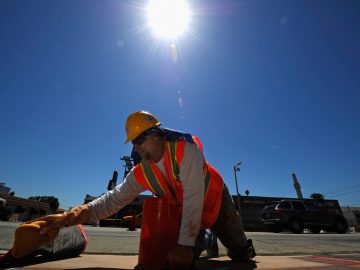
The heat people feel while working outdoors is not just the air temperature. Direct sunlight adds a significant heat load to the body. A person working or walking under full sun may experience a heat burden comparable to approximately 100–110°F (38–43°C), even when the official temperature is only 90°F.
Why outdoor workers face greater heat risks
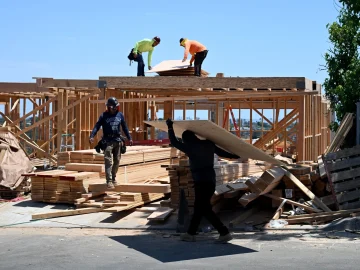
Construction workers, roofers, landscapers and street vendors are among the groups most vulnerable during extreme heat because their jobs often require:
Hours of direct sun exposure.
Continuous physical activity.
Limited access to shade or cooling areas.
Heavy tools, equipment or materials.
Work environments surrounded by heat-absorbing surfaces.
Unlike someone who briefly walks outside, these workers may spend several hours in conditions where the body is constantly producing and absorbing heat.
The hidden heat from roofs, concrete and asphalt
The air temperature is only one part of the problem.
Dark surfaces such as asphalt, concrete, roofing materials and metal absorb solar radiation and can become dramatically hotter than the surrounding air.
On a day when the air temperature reaches 90°F, exposed surfaces can be approximately 30–70°F hotter than the air.
That means:
Concrete and asphalt surfaces may reach roughly 120–160°F (49–71°C).
Dark roofing materials can become extremely hot, creating additional heat exposure for roofers who are working directly on those surfaces.
Metal tools and equipment left in the sun can become hot enough to make handling uncomfortable or unsafe.
For a roofer installing shingles or repairing a roof, the heat comes from above, below and from the worker’s own physical effort. The body has fewer opportunities to cool down, especially during the hottest afternoon hours.
Landscapers and street vendors face similar dangers
The risk is not limited to construction sites.
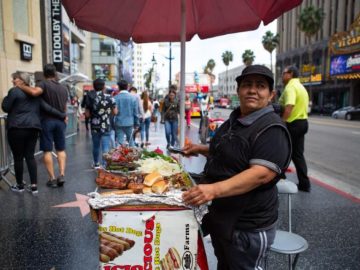
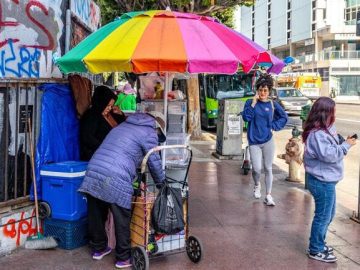
Landscapers often work outdoors for hours while mowing, trimming, digging or carrying equipment. Street vendors may spend long periods standing or walking on sidewalks and pavement that reflect and release stored heat.
In these environments, the combination of direct sunlight, hot surfaces and physical exertion can accelerate dehydration and heat stress.
Warning signs of heat illness
Heat-related illness can develop gradually. Workers and supervisors should watch for:
Heavy sweating.
Extreme fatigue or weakness.
Headache.
Dizziness or lightheadedness.
Muscle cramps.
Nausea.
Confusion or difficulty speaking.
Confusion, fainting or loss of coordination can be signs of a serious heat emergency and require immediate action.
How outdoor workers can stay safer during extreme heat
Health and workplace safety experts recommend several steps during heat alerts:
Drink water frequently, before feeling extremely thirsty.
Take regular breaks in shade or a cool area.
Schedule the heaviest work during cooler parts of the day when possible.
Wear lightweight clothing, a hat and sun protection.
Use a buddy system so coworkers can watch for signs of heat illness.
Stop work immediately if symptoms such as confusion, fainting or severe weakness appear.
During an extreme heat alert, the question is not only “What does the thermometer say?”
For thousands of people working outside in Los Angeles County, the more important question is:
“How much heat is the body actually absorbing during the workday?”