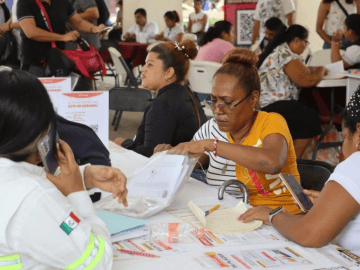
The revived policy gives immigration officers broader authority to consider an applicant’s finances, benefits history, and ability to support themselves when reviewing some green card applications.
The Trump administration has revived a stricter version of the federal public charge rule, a policy that allows immigration officers to consider certain government benefits and an applicant’s overall financial situation when deciding some green card and immigration applications. The rule is scheduled to take effect September 18, 2026.
The change is especially important for California, where millions of immigrants live, work, raise families, and contribute to local communities. For many families in Los Angeles and across the state, questions are already emerging about whether using healthcare programs, food assistance, or housing support could affect future immigration plans.
The answer is complicated: using a benefit does not automatically mean someone will be denied a green card. Instead, immigration officers will evaluate cases individually using multiple factors, including financial circumstances, health, age, education, and family situation.
Things to know
- The Trump administration is bringing back a broader public charge standard.
- The rule expands the types of information immigration officers may consider.
- Some benefits, including certain Medicaid, SNAP, and housing assistance programs, may receive greater scrutiny under the new framework.
- A person’s entire situation matters, not one single factor.
- California immigrant families should get reliable legal information before making decisions about benefits.
What is the public charge rule?
The term public charge comes from U.S. immigration law and refers to a person who immigration officials determine is likely to become primarily dependent on government assistance.
The rule affects certain immigrants seeking admission to the United States or applying for lawful permanent residence, commonly known as a green card.
The policy does not apply to every immigrant or every immigration process. Some groups are exempt, including certain refugees, asylees, and other humanitarian categories.
How the 2026 rule changes the approach
The Biden administration’s 2022 public charge regulation narrowed how immigration officials evaluated public benefits.
The revived Trump administration policy returns to a broader approach, giving officers more discretion to consider a wider range of circumstances when deciding whether an applicant may become a public charge.
The evaluation can include:
- Current or past use of certain public benefits.
- Income and financial resources.
- Employment history.
- Age.
- Health conditions.
- Education and skills.
- Family circumstances.
Officials are expected to consider the totality of the circumstances rather than relying on one single factor.
Which benefits may be considered?
Under the revived framework, immigration officers may consider benefits that were generally not part of the narrower 2022 approach.
Programs that may receive greater attention include:
- Supplemental Nutrition Assistance Program (SNAP), commonly known as food stamps.
- Certain Medicaid benefits.
- Housing assistance programs.
- Other government-funded assistance programs.
However, immigration experts emphasize that benefit use alone does not automatically determine the outcome of an application.
Each case depends on the applicant’s complete circumstances.
In Los Angeles County, many immigrant families include a combination of U.S. citizens, permanent residents, visa holders, and people with different immigration statuses.
These mixed-status households often make decisions together about:
- Healthcare coverage.
- Food assistance.
- Housing support.
- Children’s needs.
- Elder care.
That is why immigration advocates and legal experts warn that confusion about public charge rules can cause families to avoid programs they may legally use.
The difference between legal eligibility and immigration risk
One of the most important points for families to understand is that immigration status and public benefit eligibility are not the same thing.
A person may legally qualify for a government program while also needing to consider whether that benefit could affect a future immigration application.
This is why experts recommend speaking with qualified immigration attorneys or accredited organizations before making major decisions.
What immigrant families should do now
California families considering immigration applications should:
Keep records
Save documents related to:
- Income.
- Employment.
- Taxes.
- Education.
- Immigration filings.
- Household finances.
Avoid relying on rumors
Public charge rules are complicated and frequently misunderstood.
Social media posts and informal advice can create unnecessary fear.
Seek trusted guidance
Before withdrawing from healthcare or assistance programs, families should consult:
- Licensed immigration attorneys.
- Accredited nonprofit immigration organizations.
- Trusted community legal service providers.
The public charge rule is expected to face continued debate, including possible legal challenges and policy disputes.
For California immigrant families, the most important step is understanding how the rule applies to their specific situation.
A healthcare decision, food assistance application, or immigration filing can have different consequences depending on a person’s status, benefit type, and circumstances.
As the policy takes effect, Los Angeles and California families should follow updates from official immigration agencies and trusted legal organizations rather than relying on misinformation.