A new Pew Research survey finds that many Hispanics continue to experience discrimination and exclusion, even as Latino communities become increasingly influential across the United States.
For millions of Hispanic families, the idea of getting ahead in America still comes with an uncomfortable question: Does being Latino make success harder?
A new Pew Research Center survey suggests many believe the answer is yes.
The report found that one in three Hispanics say being Latino hurts their ability to get ahead in America. About the same share reported experiencing discrimination in the past year because they are Hispanic. Nearly three in ten said they have been criticized for speaking Spanish, and more than one in four said someone told them to “go back” to another country.
The findings come at a time when Latinos are one of the nation’s fastest-growing populations, represent nearly one-fifth of Americans, and play an increasingly important role in California’s economy, workforce, and political life.
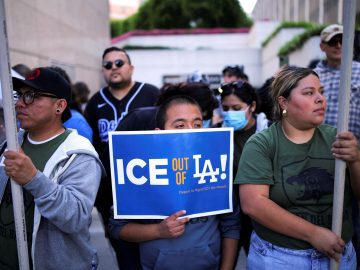
For many families, the survey highlights a contradiction they know well: Latinos are helping drive America’s future while many still feel they are treated as outsiders.
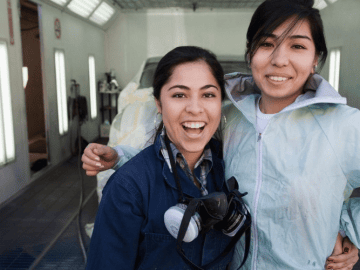
Calfirnia’s economy depends heavily on Latino workers in industries including construction, healthcare support, hospitality, transportation, agriculture, retail, and small business.
Yet the survey suggests that discrimination and feelings of exclusion remain part of everyday life for many people.
These experiences can affect much more than emotions.
They can influence whether someone applies for a promotion, feels comfortable speaking Spanish at work, participates in community activities, trusts public institutions, or seeks services their family may need.
Despite these challenges, the survey found that Latino identity remains deeply important.
Sixty-one percent of Hispanics said being Hispanic is very or extremely important to who they are.
The report also found that many Hispanics maintain a strong sense of community connection. About six in ten said what happens to Latinos nationally affects their own lives.
At the same time, the survey showed that there is no single Latino identity.
More than half primarily identify by their family’s country of origin, such as Mexican, Salvadoran, Cuban, or Puerto Rican. Others prefer broader labels such as Hispanic or Latino, while some primarily identify simply as American.
The findings reinforce that Latino communities are diverse and cannot be understood through a single experience or political viewpoint.
The Numbers That Stand Out
The survey found:
- 33% say being Hispanic hurts their ability to get ahead.
- 26% say it helps.
- 40% say it makes no difference.
- 34% experienced discrimination in the previous year because they are Hispanic.
- 29% were criticized for speaking Spanish.
- 26% were told to go back to another country.
- 25% were called offensive names because they are Hispanic.
Taken together, the numbers suggest that experiences of discrimination remain common rather than isolated incidents.
What This Means for Workers and Businesses
For Latino workers, these experiences can create pressure to minimize parts of their identity.
Some may feel uncomfortable speaking Spanish at work or may avoid drawing attention to their cultural background.
Discrimination can also affect workplace relationships, opportunities for advancement, and feelings of belonging.
For Latino-owned businesses, fear and exclusion can ripple through communities.
When families feel stressed or uncertain, they may avoid public spaces, spend less money, delay purchases, or participate less in community activities. Those decisions can affect neighborhood economies and local businesses.
The Health and Community Effects
Research has consistently shown that experiences of discrimination can contribute to chronic stress, anxiety, depression, and other health challenges.
The effects often extend beyond the individual.
Children may experience identity conflicts. Families may become less engaged with schools and public institutions. Communities may participate less in civic life.
Over time, these patterns can weaken trust and reduce participation in the very systems designed to serve communities.
The Political Story Behind the Numbers
The report also points to a changing political reality.
Latinos increasingly interpret their experiences through different lenses. Some see discrimination as a major barrier. Others view opportunity and hard work as more important factors. Many fall somewhere in between.
The findings challenge the idea that there is a single “Latino vote” or one set of political priorities.
While immigration remains important to many Hispanic families, issues such as housing affordability, wages, healthcare, education, and economic mobility increasingly shape how many Latinos engage with politics and public life.