Residents demanded answers about health risks, relocation assistance, and the future of Lineage Logistics as frustration over the warehouse fire and cleanup boiled over during a tense community meeting.
For many Boyle Heights residents, Thursday night’s town hall was about far more than a warehouse fire. It was about weeks of living with a powerful stench, fears about long-term health effects, frustration over poor communication, and growing anger that their community once again feels overlooked.
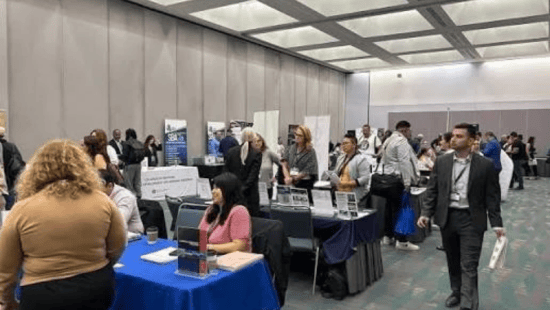
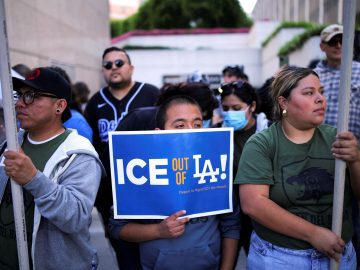
The atmosphere inside Robert Louis Stevenson Middle School quickly became tense as hundreds of residents packed the auditorium for a public meeting on the ongoing crisis at the Lineage Logistics warehouse.
Before the formal session even began, emotions boiled over as community members and advocates pushed their way into the auditorium to ensure their concerns would be heard.
Los Angeles Mayor Karen Bass, Councilmember Ysabel Jurado, Supervisor Hilda Solis, and Lineage Logistics executive Jeff Rivera each provided updates on cleanup efforts and assistance programs. But their presentations were repeatedly interrupted by loud boos, shouting, and demands for answers.
The message from many residents was clear.
“We want them out.”
Many in attendance said they no longer trust Lineage Logistics and want the company permanently removed from Boyle Heights.
A Community Living With Uncertainty
The warehouse held approximately 85 million pounds of frozen food before the fire. Much of that food has remained inside the damaged facility, creating a persistent odor that residents describe as unbearable.
Neighbors say the smell has affected daily life, making it difficult to sleep, spend time outside, or even open windows during the summer heat.
Residents also expressed concerns about rat infestations and questioned whether the full health consequences of the incident are being properly addressed.
Questions from the audience centered on:
- Long-term health impacts
- Care for elder residents
- Whether contaminated air could cause future illnesses
- Assistance for families wanting to temporarily relocate
- Support for small businesses losing customers
- The pace of the cleanup operation
- Whether public officialss downplayed the seriousness of the air quality concerns
Several residents criticized what they described as inadequate health screenings.
Some said they sought medical help only to receive basic evaluations and medication without more extensive testing.
Others complained that they had not received direct communication from city agencies and were forced to rely on neighbors and social media for updates.
Officials Promise Answers
During the meeting, Mayor Bass acknowledged that not every question could be answered during the town hall.
She promised that unanswered questions would be addressed in writing and posted publicly online.
Bass also said assistance programs are available for residents who need temporary relocation and that support is being expanded for affected small businesses.
Hours before the meeting, Lineage Logistics announced additional assistance measures that include:
- Hotel and temporary rental vouchers
- Financial assistance for eligible residents
- Utility bill subsidies
- Expanded community support services during the cleanup process
However, many residents remained skeptical.
Repeated applause and chants erupted whenever community members called for faster action and stronger accountability measures.
Cleanup Timeline Faces Community Doubts
Lineage executive Jeff Rivera said the company aims to complete demolition and debris removal within approximately 45 days.
The cleanup involves the phased removal of fire-damaged materials and the disposal of spoiled food from the warehouse.
But for many in attendance, 45 days feels like an eternity.
Community members demanded a faster cleanup of the massive amount of rotting food and questioned why stronger emergency measures were not implemented sooner.
Their concerns reflect a larger issue now emerging from the crisis: whether Los Angeles was prepared to handle an environmental emergency of this scale.
Why This Matters for Boyle Heights Families
For residents, this is not simply a cleanup project.
It is a public health issue, an economic issue, and a question of trust.
Families want reassurance that the air is safe. Seniors and people with underlying health conditions want to know how they are being protected. Small businesses want help recovering from lost customers. Parents want answers about possible long-term health consequences for their children.
Many residents also want to understand why communication appeared fragmented and whether emergency plans were sufficient.
The questions raised Thursday night could extend far beyond Boyle Heights.
The crisis is forcing city leaders to examine whether Los Angeles has the resources, coordination, and emergency protocols needed to respond to industrial disasters that affect densely populated communities.
The Palisades and Altadena fires demonstrated the challenges of responding to large-scale disasters. Boyle Heights is now raising another difficult question: If the city struggled with a smaller but highly concentrated environmental emergency, what improvements are needed before the next crisis occurs?
Next
Cleanup operations are expected to continue over the coming weeks.
City officials say additional information, including responses to unanswered questions from residents, will be made publicly available.
But Thursday night’s meeting showed that Boyle Heights residents are seeking more than updates.
They want transparency.
They want accountability.
And they want confidence that their community’s health and wellbeing are being treated with the urgency they believe the situation demands.