Hundreds of transit jobs, expanded bilingual hiring and record ridership are giving Los Angeles its biggest test yet before the 2028 Olympic Games while creating new opportunities for workers and affordable travel for fans.
For many Angelenos, the FIFA World Cup is more than an international soccer tournament. It is creating new job opportunities, expanding public transportation and offering a glimpse of how Los Angeles could operate during the 2028 Olympic Games.
The biggest changes are happening behind the scenes. To handle hundreds of thousands of visitors, transit agencies and private transportation partners have hired hundreds of additional workers, expanded bilingual staffing and launched one of the largest special-event transportation operations in Southern California’s history.
For many Latino workers, those investments are opening doors to careers in public transit while making it easier and more affordable for families to attend World Cup matches without driving.
Hosting one of the world’s largest sporting events requires far more than buses and trains.
LA Metro and its regional transit partners added hundreds of temporary and permanent positions to support World Cup operations. The hiring includes transit coordinators, customer service representatives, commercial bus drivers and multilingual staff who help international visitors navigate the region.
Because many fans are arriving from Spanish- and Portuguese-speaking countries, agencies placed a strong emphasis on bilingual employees.
One long-term opportunity is LA Metro’s bus operator training program, which is offered in Spanish to help remove language barriers for applicants. Bus operator positions currently begin at approximately $28.81 per hour, providing a pathway into stable public-sector employment with benefits.
For many Latino residents, especially those looking for career opportunities that do not require a four-year degree, these positions represent more than temporary event work. They offer access to long-term careers in one of California’s largest public transportation systems.
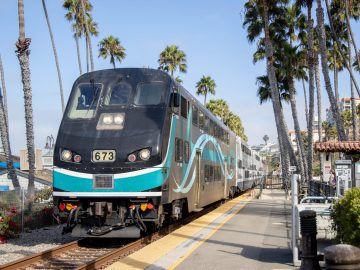
Instead of encouraging fans to drive to SoFi Stadium, Los Angeles built a transportation network designed to move large crowds by bus and rail.
Metro is operating dedicated express shuttle buses from 15 regional transit hubs, with enhanced train and bus service beginning about four hours before kickoff and continuing for two hours after each match.
A one-way ride costs $1.75, with free transfers available for two hours using a TAP card. That makes public transit dramatically less expensive than paying for stadium parking, which can exceed $80 on major event days.
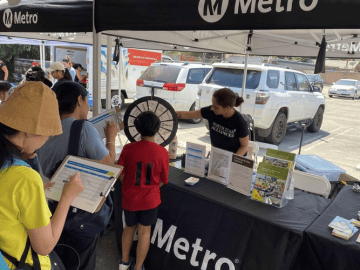
To improve the rider experience, Metro also added hydration stations, cooling areas, multilingual customer assistance and limited-edition FIFA World Cup TAP cards.
More than 100,000 World Cup trips already completed
The system is proving that fans are willing to leave their cars behind.
According to transportation officials, more than 100,000 World Cup shuttle trips were recorded during the tournament’s first four match days.
That figure represents a dedicated event transportation network operating alongside LA Metro’s regular system, which serves nearly one million daily boardings.
Ridership has grown steadily with each match. Shuttle usage increased from about 18,500 trips during the opening match to more than 29,000 trips by the fourth game.
Regular Metro Rail service also experienced a noticeable increase, with ridership rising roughly 7% to 8% on match days.
Some stations saw extraordinary spikes. The Expo Park/USC Station, located near fan activities, experienced nearly a 600% increase in TAP card use compared with a typical day.
Although some riders reported delays caused by local traffic and confusion using navigation apps, transportation agencies say the system has successfully handled the surge while maintaining normal daily transit service.
Why this matters beyond the World Cup
The success of these operations reaches far beyond soccer.
Los Angeles has committed to hosting a transit-first Olympic Games in 2028, making the World Cup an important real-world test of whether the region can move millions of visitors without overwhelming local freeways.
Every successful shuttle trip helps answer an important question: Can Los Angeles rely less on cars during major international events?
Early results suggest the answer may be yes.
Strong ridership also supports future investments in public transportation, including subway expansions, bus improvements and regional transit connections that will continue serving residents long after the World Cup ends.
Whether or not someone attends a World Cup match, the transportation investments have lasting local benefits.
For workers, expanded hiring creates opportunities in stable public-sector careers.
For families, affordable transit makes major sporting events more accessible.
For neighborhoods surrounding SoFi Stadium and other event venues, moving thousands of fans by bus and rail helps reduce traffic congestion, lower vehicle emissions and improve public safety.
Many of the transportation improvements also serve communities with large Latino populations, strengthening connections between residential neighborhoods and employment centers across Los Angeles County.
Transit agencies will continue monitoring ridership, travel times and customer feedback throughout the remainder of the World Cup.
The data collected this summer will help shape transportation planning for the 2028 Olympic and Paralympic Games, when Los Angeles is expected to welcome millions of additional visitors.
For residents, the World Cup is proving that investments in public transportation can deliver benefits that extend well beyond a single tournament. They can create jobs, improve mobility and leave behind infrastructure that serves California communities for years to come.