New ridership estimates suggest Latino commuters remain the backbone of Los Angeles transit recovery as rail growth expands into Pomona, East LA, and airport job corridors.
LOS ANGELES — LA Metro says ridership is climbing again in 2026, but one major question remains unanswered: who is fueling the comeback?
Metro publishes overall boarding numbers, rail growth data, and safety updates. What it does not publicly break out in detail is ridership by ethnicity year over year. But using Metro rider surveys, Census demographics, corridor geography, and commuter workforce trends, one conclusion becomes increasingly clear: Latino riders likely remain the largest force behind Metro’s recovery.
That matters because public transit is more than transportation in Los Angeles. For many working families, it is the link to jobs, school, healthcare, and economic stability.
BUS RAIL

Metro has previously stated that a majority (over 50%) of its riders are Latino through customer survey data. That aligns with long-standing transportation patterns across Los Angeles County, where many Latino households are more transit dependent than higher-income communities with multiple vehicles.
Latino riders are heavily represented in industries that still require in-person work, including:
- Hospitality
- Construction
- Cleaning services
- Warehousing
- Healthcare support
- Restaurant work
- Retail
- Airport operations
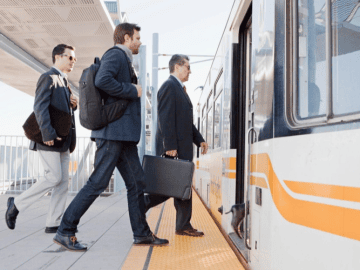
Unlike remote office workers, many of these employees still need to commute daily. That helps explain why transit demand has remained resilient.
Metro reported approximately 305 million boardings in 2025, with 2026 weekday ridership continuing to show gains.
But location matters more than raw totals.
Based on current growth corridors and surrounding demographics, the strongest Latino ridership gains in 2026 are likely happening in:
Pomona and the San Gabriel Valley
The A Line extension has made eastern LA County more connected to the larger Metro system. For Pomona residents facing high gas prices, long commutes, and rising living costs, rail can offer meaningful savings.
Pomona also has a large Latino population, a growing student presence, and many residents commuting across county lines for work.
That combination could make Pomona one of Metro’s most overlooked growth stories in 2026.
East Los Angeles and Boyle Heights
These communities have long been transit anchors for Los Angeles. Strong connections to Downtown LA, dense neighborhoods, and lower car ownership rates make East LA a natural ridership engine.
Weekend family travel and work commutes likely continue to support growth here.
Inglewood, Crenshaw, and LAX job corridors
The K Line and airport access routes may be seeing some of the strongest gains in the system.
That is especially important for Latino workers employed in hotels, food service, maintenance, and airport operations.
When Metro ridership grows in working-class communities, the impact goes beyond trains and buses.
It can mean:
- Lower monthly gas costs
- Less pressure on family budgets
- Better job access
- More reliable school commutes
- Easier healthcare visits
- Greater mobility for seniors and youth
For many households, transportation is one of the largest monthly costs after rent. Reliable transit can function like a pay raise.
Metro’s public dashboards are useful, but they still leave major gaps.
The agency does not clearly publish:
- Latino ridership trends by year
- Ridership by ZIP code and ethnicity
- Which neighborhoods are driving growth most
- Whether fare enforcement affects low-income riders disproportionately
- How immigration fears may affect transit use in mixed-status communities
Without that data, the full picture remains incomplete.
A bigger truth about Los Angeles transit
The Metro recovery story is often framed around new lines, cleaner stations, or safety campaigns.
But the more human story may be this: Latino workers never stopped showing up.
While some commuters stayed home, many essential workers continued riding buses and trains every day to keep the region moving.
That reality deserves more recognition.
If Metro wants long-term ridership growth, it may need to invest deeper in the communities already carrying the system.
That means:
- Reliable bus frequency
- Affordable fares
- Safer stations
- Better late-night service
- Strong east county connections
- Language-accessible rider outreach
As Los Angeles prepares for global events and future growth, transit agencies may discover their strongest foundation is already here.
It rides every morning from Pomona, East LA, South LA, and neighborhoods too often ignored.