California’s labor movement, immigrant communities, and civil rights groups are watching closely after federal prosecutors moved to dismiss the case against SEIU California President David Huerta. The decision could influence how future immigration enforcement protests unfold across the state.
For many immigrant workers in California, the case involving labor leader David Huerta became about more than one arrest.
It became a question about what happens when workers, community organizations, and elected officials challenge federal immigration enforcement actions in their neighborhoods.
The decision by federal prosecutors to move toward dismissing the case has renewed debate about the relationship between immigration enforcement, labor organizing, and constitutional rights in California.
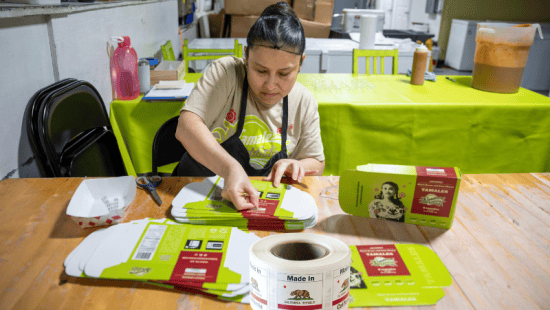
For immigrant workers, especially those in industries such as construction, hospitality, agriculture, healthcare, and service work, the case represents a larger concern: how to speak out about workplace and immigration issues without fear of retaliation.
Why David Huerta’s Case Became Significant
David Huerta, president of SEIU California and a longtime labor organizer, was arrested during a protest related to immigration enforcement operations in Los Angeles.
Federal authorities accused him of interfering with law enforcement activity, while supporters argued that his arrest raised concerns about the ability of community members and observers to document and protest government actions.
The case quickly attracted national attention because it involved one of California’s most prominent labor leaders and occurred during heightened tensions around immigration enforcement.
The decision to dismiss the case does not resolve every debate surrounding immigration enforcement or protest activity, but it does highlight a key issue:
How much space do communities have to challenge government actions they believe affect their families and workplaces?
Why This Matters for California’s Immigrant Workers
California has one of the largest immigrant workforces in the United States.
Millions of workers in the state contribute to industries that depend heavily on immigrant labor, including:
- agriculture
- restaurants
- construction
- healthcare
- hospitality
- childcare
- transportation
Many immigrant workers face a unique challenge: workplace rights and immigration concerns often overlap.
A worker may have questions about:
- wage theft
- workplace safety
- discrimination
- employer retaliation
- immigration enforcement activity
Labor advocates argue that fear of immigration consequences can prevent some workers from reporting violations or seeking help.
Employers and business groups, however, have also argued that immigration enforcement policies must be applied consistently and that businesses need clear rules.
The Huerta case placed these competing concerns into the national spotlight.
What It Could Mean for Future ICE Protests in California
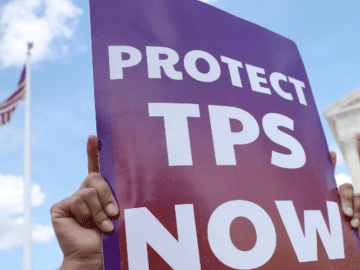
The case may influence how future demonstrations involving Immigration and Customs Enforcement (ICE) operations are organized.
Community groups are likely to continue focusing on:
1. Legal observers and documentation
During immigration-related protests, organizations often send volunteers or legal observers to monitor events and document interactions between protesters and authorities.
The Huerta case may increase attention on the role of observers and community members who attempt to record government activity.
2. Labor unions becoming more involved in immigration issues
California labor unions have historically played a major role in immigrant worker advocacy.
Future disputes involving workplace raids, immigration enforcement, or worker protections may see stronger involvement from organized labor.
For many unions, immigration policy is directly connected to workplace conditions.
3. Local governments facing new questions
Cities such as Los Angeles have historically supported immigrant communities through policies limiting cooperation with federal immigration enforcement.
Future conflicts may require local governments to balance:
- public safety concerns
- federal immigration authority
- community trust
- workers’ rights
Los Angeles remains one of the nation’s largest immigrant communities.
Immigration policy affects not only individuals without legal status but entire families, including U.S.-born children, mixed-status households, and immigrant-owned businesses.
For Los Angeles residents, immigration enforcement debates often connect directly to daily life:
- Will workers report unsafe conditions?
- Will families seek public services?
- Will businesses understand their legal responsibilities?
- How will communities respond during enforcement actions?
These questions extend beyond politics and into everyday economic and social life.
What Happens Next?
Several issues will continue shaping California’s immigration debate:
Federal immigration enforcement actions
Any increase in workplace or community enforcement operations will likely renew questions about protest rights and community response.
Labor and immigrant worker protections
California lawmakers, unions, and worker organizations will continue debating how to protect workers while maintaining enforcement standards.
The 2026 election environment
Immigration remains one of the most important issues for California voters, and candidates for statewide and local offices are expected to address enforcement, worker protections, and economic impacts.
The David Huerta case is not only about one protest or one legal decision.
It reflects a broader California conversation about immigration, labor, free expression, and the relationship between government power and community response.
For immigrant workers, the question is practical:
Can they report problems, organize, and participate in public discussions about policies affecting their lives?
For policymakers, the challenge is balancing immigration enforcement responsibilities with constitutional protections and community trust.
As California continues to debate its future, the outcome of cases like Huerta’s will continue influencing how workers, unions, and communities respond when immigration enforcement reaches their neighborhoods.