For Los Angeles buyers considering the Central Valley, Fresno offers lower asking prices. Jobs, financing and everyday costs still matter.
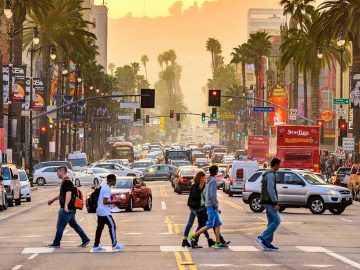
For Californians struggling to afford a home in Los Angeles, Fresno offers a less expensive alternative without leaving the state. Houses listed for less than $500,000 remain available in the Central Valley city, where home prices are far below those in Southern California.
In September 2026, the median listing price in Fresno was $435,000, compared with $1.125 million in Los Angeles. That puts Fresno’s median asking price about 61% lower than Los Angeles’s, a difference of $690,000.
For buyers priced out of the Los Angeles market, the gap can mean the difference between continuing to rent and purchasing a home.
How far does $500,000 go?
The price difference becomes even more striking when comparing the cost per square foot. In September, Fresno listings had a median price of $256 per square foot, compared with $736 in Los Angeles.
Using those figures, a $500,000 budget would theoretically cover about 1,950 square feet in Fresno, compared with roughly 680 square feet in Los Angeles. These calculations are illustrative rather than guarantees about the size, condition, or location of homes available at those prices.
Fresno also has neighborhoods where median listing prices fall well below $500,000. In September, the median was approximately $329,000 in Fresno High-Roeding, $347,000 in the Tower District and $388,000 in McLane. In Woodward Park, the median was higher, at $579,000.
The figures show that buyers do not necessarily need to spend $500,000 to enter the Fresno market. Prices still vary depending on the neighborhood, property size, age, and condition.
Los Angeles buyers are looking toward the Central Valley
Housing costs are one reason buyers consider cities outside California’s most expensive metropolitan areas. Fresno has attracted interest from prospective buyers searching for homes from elsewhere in the country, including Los Angeles and the San Francisco Bay Area.
Redfin migration data for April through June 2026 showed a net inflow of 270 homebuyer searches from the Los Angeles metropolitan area to Fresno. San Francisco had a larger net inflow, at 432.
These figures measure prospective buyers’ online searches, not confirmed relocations. They nevertheless offer a glimpse into where people are considering buying homes as they weigh housing costs against location and lifestyle.
Fresno is a regional center for agriculture, health care, education, and other industries. Its position in the Central Valley also offers access to outdoor destinations, including Yosemite National Park, although driving distances and travel times depend on the destination.
For people who can work remotely or find employment locally, moving to Fresno may offer a way to reduce housing costs while remaining in California.
Lower prices do not mean every home is a bargain
Fresno remains an active housing market, and buyers should not assume every property is inexpensive or that sellers will accept substantially lower offers.
In September, the median listing price across the broader Fresno metropolitan area was $469,500, up 2.1% from a year earlier. About 19.1% of listings had price reductions, while homes spent a median of 58 days on the market.
The metropolitan figure differs from the city median of $435,000 because the two measurements cover different geographic areas. Both, however, remain substantially below Los Angeles’s median listing price.
Buyers also need to account for mortgage rates, property taxes, homeowners insurance, and maintenance. A less expensive home can reduce the amount borrowed, but the total cost of ownership depends on the property, the financing, and the buyer’s circumstances.
The tradeoff behind cheaper housing
Moving to Fresno can mean giving up some of the advantages of living in Los Angeles. The cities have different employment markets, transportation options, cultural amenities, and climates. Fresno’s summers can be extremely hot, and people who need to commute to Los Angeles regularly could face substantial travel costs and time commitments.
Families may also need to consider schools, proximity to relatives, health care access, and neighborhood conditions before making a decision.
For some buyers, the lower purchase price will outweigh those disadvantages. For others, remaining in Los Angeles may be more practical despite the higher housing costs.
The financial difference is nevertheless difficult to ignore. Someone shopping with a $500,000 budget would be looking well below Los Angeles’s median asking price in Fresno, where that amount can open the door to a broader range of properties.
Fresno is not a universal solution to California’s housing affordability problem. But for buyers willing to move to the Central Valley, it remains one place where owning a home for less than $500,000 is still within reach.