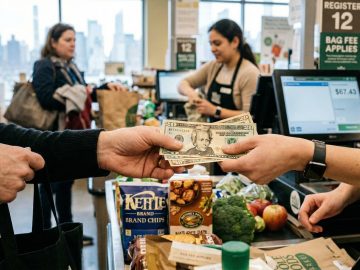
With millions of Californians struggling to afford housing and everyday necessities, national surveys show how buying and selling used goods can help households stretch their budgets.
For Californians struggling with housing costs, groceries, and everyday expenses, buying secondhand can offer a way to stretch a household budget. Used clothing, furniture, electronics, and household goods can cost considerably less than new products, making resale an attractive option for consumers trying to make their money last.
National surveys suggest that secondhand shopping is becoming a regular part of consumer behavior. In California, where millions of residents face financial pressure, the trend offers a window into how households are adapting to the high cost of living. However, statewide data measuring whether secondhand purchases are increasing specifically because of financial hardship remain limited.
The financial pressures themselves are well documented.
According to the Public Policy Institute of California, the state’s poverty rate reached 17.4 percent in 2024, up from 16.9 percent in 2023. Approximately 6.7 million Californians lived below the California Poverty Measure threshold, which accounts for living costs and the effects of public assistance. About 35 percent of residents, or 13.6 million people, were living in or near poverty.
Housing expenses account for a substantial share of the pressure. According to an analysis of Census Bureau data by USAFacts, approximately 5.69 million California households spent at least 30 percent of their income on housing in 2024. That represented 42.4 percent of households in the state.
When rent or mortgage payments consume a large portion of income, families have less money available for other necessities. Buying used products can help reduce those expenses, although the extent to which Californians are doing so has not been established by a representative statewide survey.
Financial pressure reaches everyday necessities
A November 2025 statewide survey by the Public Policy Institute of California found that 30 percent of Californians said they or someone in their household had reduced meals or cut back on food to save money during the previous year.
The proportion was substantially higher among lower-income residents. Among people living in households earning less than $40,000 annually, 52 percent reported cutting back on food to save money.
The survey also found that 21 percent of Californians had been unable to pay a monthly bill during the previous year, while 20 percent reported difficulty paying rent or a mortgage.
These findings illustrate the financial tradeoffs many households face. Although the survey did not measure secondhand shopping, it shows why lower-priced alternatives may appeal to consumers trying to preserve money for housing, food, and utilities.
Secondhand shopping becomes mainstream
National consumer research suggests that buying used products is no longer a niche activity.
According to eBay’s 2026 Recommerce Report, 76 percent of consumers surveyed had purchased secondhand products during the previous year. Nearly half said they bought secondhand goods at least monthly, compared with 35 percent in 2025.
Saving money was a leading motivation. Eighty-four percent of surveyed consumers ranked saving money among their top three reasons for buying secondhand products, while 70 percent said secondhand shopping helped them manage their household budgets.
The findings suggest that resale has become an established part of consumer spending for many Americans. However, the survey covers consumers across multiple markets, and its national figures should not be interpreted as California-specific results.
Secondhand shopping also serves different purposes for different households. Some consumers look for vintage clothing, collectibles, or products that are no longer available in stores. Others are motivated by environmental concerns and the desire to reduce waste. For households facing financial difficulties, lower prices may be the primary consideration.
Buying used is only part of the equation
Consumers can also generate income by selling possessions they no longer need.
OfferUp’s 2026 Recommerce Report found that 71 percent of surveyed shoppers said financial concerns had influenced their decision to buy or sell secondhand goods during the previous year. Among respondents who had earned money selling used items, 51 percent said they used the proceeds to pay bills or everyday expenses.
Selling unused clothing, furniture, electronics, and other possessions can provide additional cash for household expenses. However, resale income is generally irregular and depends on what people own, whether those items have resale value and whether buyers can be found.
For families facing persistent financial hardship, selling possessions may offer temporary relief without addressing the underlying costs of housing, food and other necessities.
What the trend means for California
Secondhand shopping offers a practical way for some households to reduce spending, and national research indicates that financial considerations play an important role in the market’s growth.
California’s economic data provide a clear explanation for why affordability matters. Millions of residents live in or near poverty, housing consumes a substantial share of household income, and many families report cutting back on food or struggling to pay bills.
What remains unclear is how much these pressures have increased secondhand purchases across California and how many households depend on used goods because they cannot afford new ones.
Establishing that connection will require California-specific resale sales figures or surveys that directly examine consumers’ buying habits, income levels, and reasons for choosing used products.
For now, the evidence supports a more measured conclusion. Secondhand shopping is mainstream nationally, and financial hardship is widespread in California. Together, those trends suggest that resale may be an increasingly important tool for households trying to make ends meet, even though the scale of that shift within California remains uncertain.