California just enacted 21 laws addressing immigration enforcement, detention, courthouses, workers, victims and state oversight. Here’s what the changes could mean for families.
California has enacted a broad package of new immigration-related laws, but the 21 measures do not all do the same thing.
Some directly affect people who go to court, receive CalWORKs, work in California, report crimes or are held in immigration detention. Others regulate detention facilities, law-enforcement equipment, public records, state property and local approval of detention centers.
Governor Gavin Newsom signed the package on Sept. 29. The Governor’s announcement on the 21 bills lists the measures and describes the state’s stated purpose for the legislation.
The laws do not change federal immigration status or give California control over deportation decisions. Instead, they use areas of state authority to regulate programs, property, detention facilities, employment, public records and certain law-enforcement practices within California.
For families trying to understand what changed, the most important question is not whether all 21 laws are “immigration laws.”
It is:
Which ones could actually affect me or someone in my family?
If you have to go to court
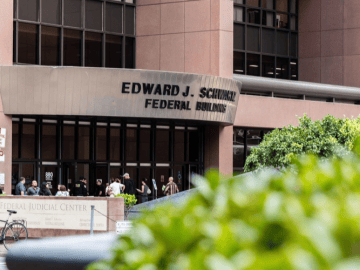
SB 873 creates new protections around civil immigration arrests involving people traveling to, attending or leaving a courthouse for a lawful purpose.
The law also establishes requirements concerning federal immigration agents entering courthouses, including specified warrant and identification requirements and a 1,000-foot protection around courthouses.
It does not prohibit every immigration arrest in California. The protections are tied to the specific circumstances covered by the law.
For someone with a court date, however, the practical question is straightforward: Can going to court expose me or my family member to a civil immigration arrest?
We have looked into the separate legal fight over warrantless ICE arrests in California. That case is different from SB 873, but it helps explain why the rules surrounding immigration arrests are becoming an increasingly important issue for California families.
If you or a family member is in immigration detention
Three of the new laws are particularly important here, but they do different things.
SB 942, the Civil Detainees’ Bill of Rights Act, establishes statutory rights for people held for civil immigration proceedings. It addresses areas including dignity, privacy, humane treatment and safe and healthy conditions, and gives California enforcement authority over covered facilities.
The law took effect immediately as an urgency statute.
SB 1399 addresses California’s existing review authority over local, county and private locked detention facilities holding people for civil immigration purposes. Rather than creating an entirely new inspection system, it removes a sunset that would otherwise end the statutory authority in 2027.
SB 957 takes a different approach. It directs the Attorney General to develop a proposed comprehensive state oversight plan for privately operated civil detention facilities, with the plan due by the end of 2027.
So the three measures answer different questions:
- SB 942: What rights do covered civil detainees have?
- SB 1399: Will California’s existing review authority continue?
- SB 957: What could a broader state oversight system look like?
Parriva has already reported on the underlying oversight problem in Who Holds ICE Detention Centers Accountable?, including California’s inspections of detention facilities and the differences between state and federal oversight.
Families can also read our reporting on conditions affecting visits at California’s largest ICE detention center.
A separate SB 942 explainer will focus on the rights people actually have inside covered detention facilities.
If you receive CalWORKs
AB 1655 changes California’s temporary-absence rules for certain CalWORKs households when a child or household member is unlawfully detained in federal immigration detention.
The provision is scheduled to become operative July 1, 2027, subject to implementation and system-readiness requirements.
For affected families, the important question will be whether a family member’s immigration detention changes how the household’s CalWORKs case is treated.
That is a benefits question, not an immigration-status change.
Parriva will break down AB 1655 separately, including who may qualify and when the change begins.
If you are an immigrant crime victim
AB 1994 expands information and assistance available to immigrant victims of crime.
The law addresses immigration protections and resources, including information concerning U visas, T visas and protections under the Violence Against Women Act.
For someone who has experienced a crime, the practical issue is whether immigration concerns should prevent them from seeking help or reporting what happened.
The law does not automatically give a crime victim immigration status. It expands information and assistance concerning existing immigration-related protections and resources.
If you are dealing with an employer
AB 2495 expands California’s protections against unlawful immigration-related employment practices.
The measure builds on state restrictions involving immigration-related threats, retaliation and coercive conduct in the workplace.
For workers, the practical question is not simply whether an employer can ask about immigration documentation. It is whether an employer’s conduct crosses the line into prohibited immigration-related threats, retaliation or coercion.
That distinction will matter when the law begins operating in 2027.
A separate Parriva explainer will look at AB 2495 from the worker’s perspective: what employers can do, what they cannot do and what workers should document if a dispute arises.
If you need medical care while under law-enforcement control
AB 2318 establishes requirements concerning access to medical evaluation and treatment for people under law-enforcement control when the statutory conditions are met.
The law also addresses federal officers to the extent permitted by federal law.
That qualification matters.
California can establish requirements under state law, but applying a state requirement directly to federal officers can raise federal-law and constitutional questions.
For families, the practical issue is simpler: What happens when someone in immigration enforcement custody needs medical attention?
Parriva will examine AB 2318 separately, including the limits created by federal law.
California is also changing rules around immigration enforcement
Several of the new laws regulate how immigration enforcement interacts with California property, vehicles and law-enforcement practices.
AB 1650 requires certain privately owned rental vehicles used by federal, state or local law enforcement for specified detention, arrest or transportation purposes to display temporary agency-identification decals. The main operative provisions begin Jan. 1, 2027, with special treatment for some contracts entered before that date.
AB 1807 restricts specified immigration-enforcement uses of state-owned property, including staging, assembling, parking or deploying vehicles and personnel, processing or interviewing people, and temporary detention or taking custody.
AB 2760 prohibits specified law-enforcement agencies from using a defined wearable electroshock device designed as a glove. It is not a ban on every electroshock device such as ordinary stun guns or TASER-type devices, which are addressed differently under the statute.
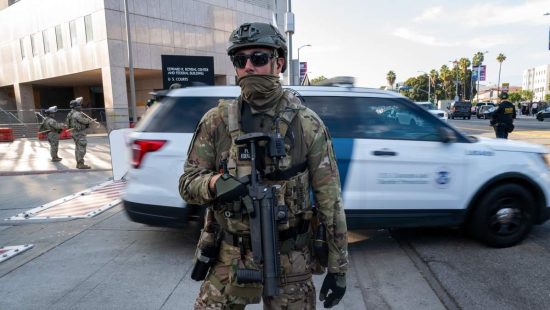
SB 937 restricts the use of flash-bang grenades and certain explosive breaching charges in specified circumstances, including immigration enforcement.
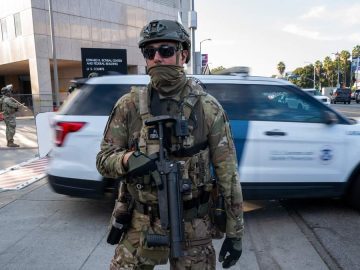
SB 1004 establishes restrictions concerning law-enforcement officers’ facial coverings while conducting specified activities, along with agency policy requirements and exceptions.
These measures raise an important legal question that will likely matter during implementation: How far can California regulate federal immigration operations conducted inside the state?
Passing a state law does not by itself resolve questions involving federal authority, preemption or immunity.
Parriva has been following another part of that issue in Who Is Really at the Door? What California Residents Should Know About Utility-Worker Disguises, Federal Agents and Impersonation Scams.
California is also changing detention-facility oversight
Other laws focus less on the individual encounter with an immigration officer and more on the facilities where people are held.
AB 1801 requires public notice and public meetings before specified public agencies approve, convey or permit certain actions involving private detention facilities.
SB 423 expands public access to specified records from private detention facilities, including certain 911 and emergency-service records.
SB 1367 restricts specified local land-use approvals involving the construction of new detention facilities or conversion of existing buildings into covered detention facilities.
AB 1633 establishes a Private Detention Facility Tax Law. The statute takes effect immediately as a tax measure, but the 25% tax on covered private detention-facility operators begins July 1, 2028.
SB 420 addresses the property-tax welfare exemption for detention-facility property. Importantly, the final law describes the provision as declaratory of existing law. It should not be described as newly eliminating an existing exemption.
Together, these laws address money, land use, public records, public participation and oversight surrounding private detention facilities.
What about lawsuits against immigration officers?
SB 747 creates a California civil cause of action concerning deprivation of federal constitutional rights and establishes rules concerning remedies, defenses and litigation.
That does not mean every person can automatically sue every federal immigration officer.
Federal immunity, federal authority, preemption and other legal defenses can affect whether a particular lawsuit can proceed.
SB 747 took effect immediately as an urgency statute.
This is an area where the difference between the statutory language and what happens in an individual lawsuit will be especially important.
What these 21 laws do not change
California’s new laws do not give the state control over federal immigration status, federal removal proceedings or the federal government’s basic authority over immigration.
They also do not:
- automatically give anyone legal immigration status;
- eliminate federal immigration enforcement in California;
- prohibit every immigration arrest;
- determine the outcome of a federal immigration case; or
- transfer federal immigration authority to California.
The laws instead operate in specific areas where California has state-law authority.
That distinction has been central to the legal disputes surrounding California’s response to federal immigration enforcement.
When do the new laws take effect?
They do not all take effect at the same time.
SB 747 and SB 942 took effect immediately.
Many of the other measures become operative Jan. 1, 2027.
AB 1655 is scheduled for implementation beginning July 1, 2027, subject to its statutory conditions.
AB 1633’s private detention-facility tax begins July 1, 2028.
Some measures also require agencies to create policies, reports or oversight plans before Californians will see their full practical effect.
And some provisions could face legal challenges, particularly where state requirements intersect with federal authority.
The signing is not the end of the story.
The next stage is implementation.
State agencies will have to interpret and administer the new requirements. Local governments and law-enforcement agencies may have to change policies. Detention operators may face new reporting, transparency, tax or operating requirements.
Courts may also be asked to decide how far California’s laws can reach when federal immigration officers or federally controlled operations are involved.
For families, the most useful approach is to follow the law that actually intersects with their situation.