Inflation, rising costs and immigration enforcement are putting small businesses under extraordinary pressure. The answer isn’t to cut everything. It’s to protect the things that keep the business alive.
For a small-business owner, the hardest part of a difficult economy is knowing what to cut.
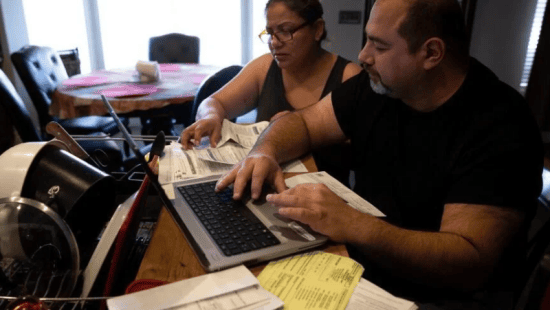
Costs are rising. Customers are watching every dollar. Employees and supplies cost more. And in many Latino communities, immigration enforcement has kept customers away from businesses they once visited regularly.
The pressure is real. In its Q2 2026 Small Business Index, the U.S. Chamber of Commerce found that 57% of small-business owners identified inflation as their biggest challenge, up from 48% a year earlier.
In Los Angeles, the problem goes beyond inflation.
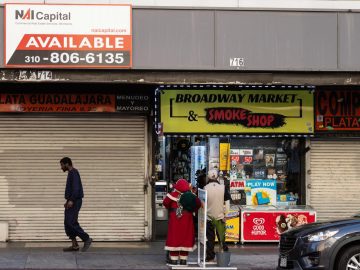
A new study from the UCLA Latino Policy and Politics Institute, conducted with Inclusive Action for the City, found that businesses near nine immigration-enforcement sites experienced about 46,000 fewer customer visits and an estimated $3.16 million in lost revenue during the two weeks following enforcement activity.
For some owners, the question is how to stay open.
That makes every business decision more important.
And when money gets tight, the instinct is often to cut anything that looks like an expense—including marketing, customer service and the things that keep existing customers connected.
That can be a mistake.
The better strategy is simple:
Cut waste, not the things that make your business valuable.
1. Protect Your Existing Customers
Finding a new customer takes time and money. An existing customer already knows your business, has experienced what you offer and has already made the decision to trust you.
Research summarized by Harvard Business Review found that acquiring a new customer can cost anywhere from five to 25 times more than retaining an existing one, depending on the industry and study.
That makes customer retention especially important during a downturn.
Don’t assume a customer who bought from you once will automatically return.
Follow up.
Make the next purchase easy.
Remember what they like.
Offer useful information.
Ask what you could do better.
And give loyal customers a reason to keep choosing you.
Parriva recently explored this strategy in Your Next Customer May Already Be a Customer: Why Retention Is the Growth Strategy Small Businesses Are Missing, including practical ways to turn a first transaction into a lasting relationship.
The goal isn’t to give away more discounts.
It’s to build relationships that produce repeat business.
2. Protect Your Value
When customers have less money, competing only on price can become dangerous.
There will almost always be somebody willing to charge less.
A small business has another advantage:
Personal service.
Know your customers. Remember their preferences. Make things easier. Solve problems quickly. Be accessible.
That is something a national chain or giant online marketplace may have difficulty matching.
Value doesn’t necessarily mean giving customers more for less money.
It can mean giving them a better experience for the money they are already spending.
And if rising costs mean you need to raise prices, don’t do it blindly.
Know which products and services are actually profitable. Communicate changes clearly. Protect the customers who matter most.
Parriva’s guide to raising prices without losing customers looks at how owners can protect their margins while maintaining customer relationships.
3. Protect Your Visibility
When sales slow, cutting marketing can feel like an easy way to save money.
But there is a difference between cutting wasteful marketing and disappearing.
You don’t necessarily need a large advertising budget.
Stay visible through the channels you already control:
- Text messages
- Social media
- Customer loyalty programs
- Google reviews and your business profile
- Direct outreach to regular customers
- Community partnerships and referrals
The goal is not to shout louder.
It is to remain present.
If customers stop hearing from you, they may forget you exist—or discover a competitor who stayed in front of them.
So during a downturn, ask a better question than:
“How much can I cut from marketing?”
Ask:
“Which marketing actually brings customers back?”
Then protect that.
4. Protect Your Cash
This may be the most important protection of all.
Revenue is not the same thing as cash.
A business can have customers and still run out of money if payments arrive too slowly, inventory sits too long or expenses grow faster than sales.
Know what is coming in.
Know what is going out.
Review your largest expenses.
Watch inventory.
Collect money owed to you.
Understand which products and services actually produce a healthy margin.
And before taking on new debt or making a major expansion decision, make sure you understand how the payment will affect your monthly cash flow.
Survival often comes down to buying time.
The Opportunity on the Other Side
There is a reason not to lose sight of the future.
Some businesses will not make it through this period. But no one can say how many will close or whether surviving businesses will automatically benefit.
Consumer demand could remain weak. Customers may change where and how they spend. A business that survives a downturn is not guaranteed to grow afterward.
But there is a potential opportunity.
If consumer demand eventually recovers and competitors leave the market, businesses that remain financially healthy, visible and connected to their customers may be in a stronger position to grow.
They won’t have to start from zero.
They will already have customers.
They will already have a reputation.
They will already know what works.
That is why survival shouldn’t mean simply cutting everything until the storm passes.
It should mean deciding what is essential—and protecting it.
The experience of Los Angeles’ Latino business corridors shows why that matters. The UCLA research found that the effects of enforcement extended beyond businesses immediately next to enforcement sites, with reduced foot traffic spreading into surrounding commercial areas.
For business owners already operating on narrow margins, losing customers for even a short period can create problems that last much longer.
Protect your customers. Protect your value. Protect your visibility. Protect your cash.
You cannot control inflation.
You cannot control immigration policy.
You cannot control the economy.
But you can decide what your business will protect while you wait for better conditions.
The goal isn’t simply to survive the storm. It’s to still be standing when it passes—and be ready for what comes next.