Los Angeles is advancing temporary restrictions on large cold-storage warehouses after the Lineage fire. The proposal could limit rebuilding and expansion, but existing industrial risks remain a separate challenge.
Los Angeles is moving toward temporary restrictions on large cold-storage warehouses in Boyle Heights after a June fire left residents dealing with smoke, odors, pests and months of cleanup.
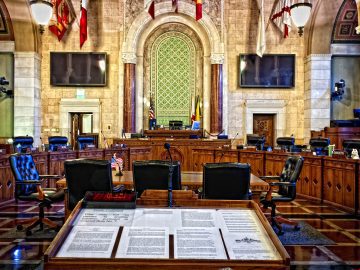
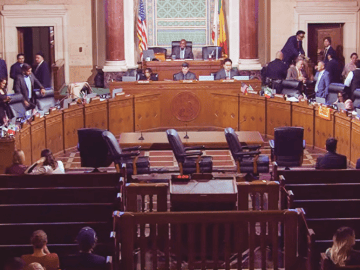
On November 10, the City Council’s Planning and Land Use Management Committee voted 4-0 to recommend a revised interim control ordinance outlined in a November 4 City Planning report.
Three days later, the full Council voted 10-0 to direct the City Attorney to prepare the ordinance.
The restrictions have not yet been confirmed as enacted law.
For Boyle Heights families, the question goes beyond whether another warehouse can be built: Will stopping new development also protect residents from industrial activity already operating near their homes?
What would the Boyle Heights warehouse restrictions prohibit?
The proposal would temporarily restrict permits and approvals for constructing, expanding, altering or rebuilding large cold-storage warehouses in designated industrial areas of Boyle Heights.
An October 23 City Planning report describes additional restrictions involving utility connections and solar installations associated with qualifying facilities.
That earlier draft defined covered operations as properties with more than 20,000 square feet of refrigerated warehouse space maintained at 45 degrees Fahrenheit or below, primarily for large-volume storage or distribution.
It targeted specified industrial and hybrid-industrial zoning districts, not every property in Boyle Heights.
City Planning identified nine existing cold-storage facilities in the community plan area. That does not establish that all nine would be affected equally.
The November 10 committee recommended a revised proposal dated November 4. Its complete exhibits have not been independently reviewed, so the October definitions should not be treated as confirmed final language.
Why is Los Angeles proposing these restrictions?
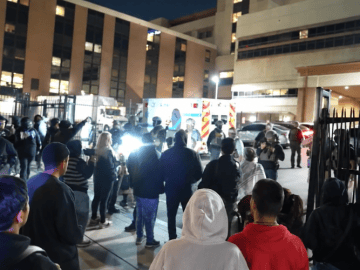
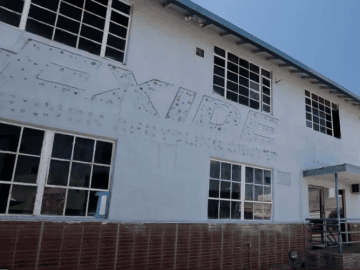
On June 17, a fire broke out at the Lineage Logistics warehouse at 1400 South Los Palos Street.
The fire and subsequent cleanup raised concerns about industrial safety, decomposing food, air quality and the proximity of large warehouses to residential neighborhoods.
Parriva previously examined the health concerns reported by Boyle Heights residents following the disaster.
City Planning also identified concerns involving truck traffic, refrigeration equipment and rooftop solar installations.
The proposed ordinance would give Los Angeles time to investigate the disaster and consider changes to zoning, building and fire-safety regulations.
On November 13, the South Coast Air Quality Management District announced that Lineage had completed the requirements of its abatement order.
The agency said monitoring since the September 5 cleanup had shown results consistent with typical background levels. It concluded its monitoring on November 10.
Those findings document cleanup progress, but they do not determine whether rebuilding should be permitted or whether broader industrial safeguards are adequate.
Could the restrictions stop Lineage from rebuilding?
The proposed restrictions include the fire-damaged Lineage property.
On July 31, Mayor Karen Bass directed city departments not to process rebuilding plans until the city considers further investigation and recommendations.
The October 23 ordinance draft also proposed applying certain restrictions to permit applications and activities dating back to June 17.
Whether that retroactive provision survived in the November 4 revision remains unverified.
The November 13 Council vote did not itself approve or deny a rebuilding permit. The City Attorney must still prepare the ordinance for Council consideration.
Parriva has tracked earlier city and state accountability measures following the fire.
Would the restrictions reduce pollution from existing warehouses?
Not necessarily.
The proposal primarily addresses permits and development approvals. It does not establish comprehensive new operating limits on truck trips, diesel exhaust, refrigeration emissions or noise from warehouses already operating.
The October draft also included exceptions for certain maintenance, safety improvements and work required by regulatory agencies. The precise exceptions in the revised version have not been independently confirmed.
Those distinctions matter. Los Angeles must consider how to prevent potentially hazardous development without blocking repairs necessary to keep existing facilities safe.
Parriva’s earlier reporting examined the environmental-justice questions raised by warehouses operating near residential neighborhoods.
For residents, stopping a warehouse from expanding does not automatically reduce pollution from trucks or refrigeration equipment already operating nearby.
How long would the restrictions last?
The earlier proposal called for an initial 45-day restriction.
Under California Government Code Section 65858, qualifying extensions could allow an interim ordinance to remain in effect for up to two years, subject to required findings and votes.
But those time limits do not mean the restrictions are already in force.
The City Attorney must prepare the ordinance, and the city must complete the remaining legal steps before its operative provisions can be confirmed.
What happens next for Boyle Heights residents?
The next major development is the City Attorney’s proposed ordinance and any subsequent Council action.
Residents should watch whether the final language changes the warehouse definition, permit restrictions, exemptions or treatment of pending rebuilding applications.
They should also watch what Los Angeles does about existing warehouse operations, including truck traffic, refrigeration safety and emergency response near homes and schools.
The temporary restrictions could give the city time to develop stronger safeguards.
Whether they provide lasting protection will depend on those future decisions, not simply on the November 13 vote.