Los Angeles County has reported 100 West Nile virus infections and five deaths this year. With mosquito transmission still active, here is what residents should know about symptoms, risk and prevention.
Los Angeles County has reached 100 reported West Nile virus infections this year, the highest number recorded this early in the mosquito season in nearly a decade, according to the Los Angeles County Department of Public Health.
As of the County’s latest surveillance update, 94 people have been hospitalized and five have died. The County’s figures exclude cases reported separately by Long Beach and Pasadena.
The milestone comes while West Nile transmission is still active. Los Angeles County’s mosquito season generally runs from June through November, meaning residents still have weeks of potential exposure ahead.
County health officials are urging residents to take precautions now, including using insect repellent, removing standing water and making sure windows and doors have properly fitted screens.
Why 100 cases matters
The last time Los Angeles County reached at least 100 West Nile infections was 2017, when 268 cases were reported during the entire season.
The current 2026 total is therefore significant, but it does not mean the County will necessarily reach or exceed the 2017 total. The current mosquito season is still underway, and the final number of cases is not yet known.
The County’s official surveillance data show 22 infections in 2025, 34 in 2024 and 70 in 2023.
The County has described current West Nile activity as higher than typically seen and says mosquito-control agencies are responding with enhanced surveillance, targeted mosquito-control treatments, disease investigations and community outreach.
Parriva reported earlier this summer when California confirmed its first human West Nile case of the 2026 season—a severe case involving a Long Beach resident.
Read Parriva’s earlier West Nile explainer
That earlier report provides context for how the season has developed from the first confirmed human infection to the current countywide case count.
What is West Nile virus?
West Nile virus is primarily spread through the bite of an infected mosquito.
Most people who become infected do not develop symptoms. According to the CDC, about 80% of infected people have no symptoms.
About 20% develop a febrile illness that can include:
- Fever
- Headache
- Body aches
- Joint pain
- Vomiting
- Diarrhea
- Rash
Most people with mild illness recover completely, although fatigue and weakness can sometimes continue for weeks or months.
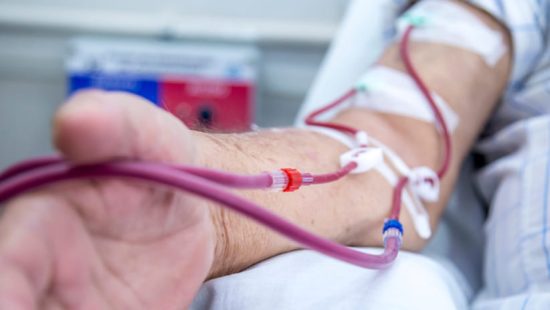
A much smaller percentage develops severe disease affecting the brain or spinal cord.
When West Nile becomes an emergency
The CDC says less than 1% of people infected with West Nile develop severe illness affecting the central nervous system.
Warning signs can include:
- High fever
- Severe headache
- Neck stiffness
- Confusion or disorientation
- Muscle weakness
- Tremors
- Seizures
- Paralysis
Anyone experiencing these symptoms should seek immediate medical attention.
There is currently no specific medicine that treats West Nile virus infection.
The risk of severe illness increases with age. People with certain underlying conditions including diabetes, high blood pressure, kidney disease or cancer and people with weakened immune systems also face greater risk.
What residents can do today
The most effective protection is straightforward: prevent mosquito bites and eliminate places where mosquitoes can breed.
1. Use mosquito repellent
The CDC recommends using an EPA-registered insect repellent when spending time outdoors.
Repellent is particularly important during periods when mosquitoes are active.
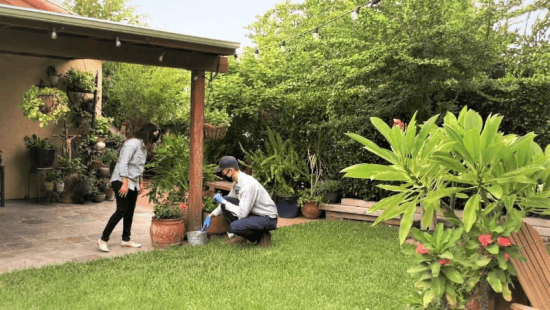
2. Remove standing water
Walk around your home and yard and empty water from places such as:
- Buckets
- Plant saucers
- Containers
- Children’s toys
- Pet bowls
- Outdoor equipment
- Other objects that collect water
Pools and spas should also be properly maintained.
Removing standing water can eliminate mosquito breeding sites around the home.
3. Keep mosquitoes outside
Check window and door screens for holes, tears or gaps and make sure they fit properly.
The CDC also recommends using air conditioning when available and keeping doors and windows closed when they are not properly screened.
4. Be aware of mosquito activity
The CDC recommends avoiding outdoor exposure between dusk and dawn, when mosquitoes that spread West Nile are most active.
When outdoor activity is necessary, repellent and long, loose-fitting clothing can reduce exposure.
There is no human vaccine
There is currently no licensed vaccine or preventive medicine for West Nile virus in people.
That makes mosquito-bite prevention especially important during periods of elevated activity.
What we know and what we don’t
The current surveillance data establish that West Nile activity in Los Angeles County is unusually high this year and that severe illness and deaths have occurred.
The data do not, by themselves, establish why activity is higher in 2026 or what the County’s final case total will be.
The County’s surveillance also captures only reported infections. Milder infections can go undiagnosed, meaning reported cases do not represent every infection occurring in the community.
For residents, however, the practical message does not depend on predicting the final number.
Mosquito season is still underway.
The most useful steps are simple: use repellent, eliminate standing water, maintain pools and spas, and keep mosquitoes outside your home.
The 100-case milestone is a reason to pay attention, not a reason to panic. With West Nile transmission still active across Los Angeles County, prevention remains the most useful action residents can take right now.
Los Angeles County West Nile surveillance and current case data