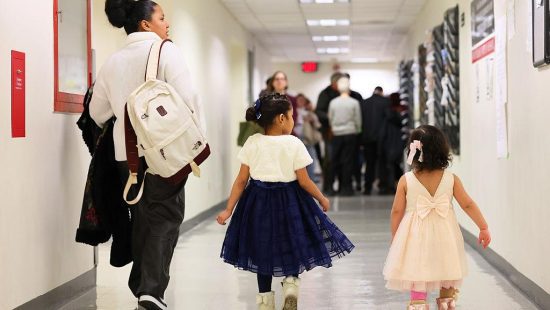
A new survey finds widespread concern about teen mental health, while experts say cultural stigma and family dynamics may mask emotional struggles among many Latino adolescents.
A recent survey found that concern about teen mental health remains widespread among young people across the United States. More than one in three teens ages 13 to 17, or 35%, said they are extremely or very concerned about the mental health of teenagers today. Another 42% reported being somewhat concerned, while 23% said they were not very concerned or not concerned at all.
The survey revealed notable differences among demographic groups. Teen girls expressed higher levels of concern than boys, with 42% saying they were extremely or very concerned compared with 28% of boys. Concern was also especially high among Black teens, half of whom reported being extremely or very concerned. This compared with 39% of Hispanic teens and 31% of White teens.
Researchers caution that lower reported concern among Latino teens does not necessarily indicate fewer mental health challenges. Studies suggest that cultural attitudes, family dynamics, and differences in how emotional distress is expressed may influence how mental health concerns are reported. In some Latino families, emotional struggles are often viewed as private matters to be addressed within the family rather than discussed publicly or with mental health professionals. Some adolescents may also express distress through physical symptoms such as headaches, stomachaches, or fatigue rather than describing feelings of anxiety or depression.
Concerns about stigma may also discourage some teens from openly discussing mental health issues. At the same time, strong family relationships and community support networks can provide important emotional resources that help young people cope with stress. Researchers also note that survey language and cultural interpretations of mental health terms can affect how questions are understood and answered.
Despite these differences in reporting, many Latino adolescents face significant mental health challenges, including anxiety, depression, stress related to discrimination, and difficulties accessing care. Some studies have found that Latino youth experience mental health needs that are comparable to or even greater than those of other groups.
Parents appear even more concerned about teen mental health than teenagers themselves. More than half of parents with children ages 13 to 17, or 55%, said they were extremely or very concerned about the issue. Another 34% reported being somewhat concerned, while only 11% said they were not very concerned or not concerned at all.
Similar demographic patterns emerged among parents. Mothers were more likely than fathers to express strong concern, with 61% saying they were extremely or very concerned compared with 47% of fathers. Concern was also highest among Black parents, 70% of whom reported being extremely or very concerned. This compared with 55% of White parents and 52% of Hispanic parents.
When it comes to seeking support, teens appear most comfortable turning to people they know. About half of teens said they would feel extremely or very comfortable talking about their mental health with a parent, while nearly as many said they would feel comfortable talking with a friend. Fewer teens reported the same level of comfort discussing their mental health with a therapist, highlighting the important role that family members and peers continue to play in supporting young people’s emotional well-being.