As Father’s Day approaches, new sociological research reveals Latino fathers as deeply involved caregivers whose emotional presence and sacrifices are often overlooked in public narratives.
As Father’s Day approaches, images of devoted dads coaching Little League teams, helping with homework, or cheering from the sidelines fill advertisements and social media feeds. Yet for many Latino fathers in the United States, the realities of fatherhood are often far more complex than the stereotypes that have long defined them.
For decades, much of the research on Latino fathers has centered on immigration, poverty, and crime, often portraying them as distant, stoic figures whose primary role is discipline and financial provision. But new research from sociologist Fatima Suarez challenges those assumptions, revealing a richer and more nuanced portrait of Latino fatherhood shaped by sacrifice, emotional connection, and a deep commitment to family.
Speaking recently about her book, Latino Fathers: What Shapes and Sustains Their Parenting, Suarez highlighted what she calls a “new Latino fatherhood,” a model that remains largely absent from public conversations about Latino families. Through in depth interviews with 60 Latino fathers in California, she sought to understand fatherhood through the men’s own experiences, examining how they navigate the economic, cultural, and social forces that shape their parenting.
The fathers’ stories reveal a common thread: a desire to be present, caring, and engaged despite significant obstacles.
For Octavio, who grew up in poverty in Oaxaca before settling in the United States, fatherhood meant striving to give his children opportunities he never had. Determined to provide a middle class lifestyle, he quietly made sacrifices that his children often never saw. To stretch the family budget, he shopped for his own clothes at thrift stores and avoided buying new items for himself. When his children urged him to purchase clothing during trips to the mall, he would simply tell them he did not like what was being sold there. His economic limitations did not diminish his devotion as a father. Instead, they became part of the daily sacrifices he willingly made for his family.
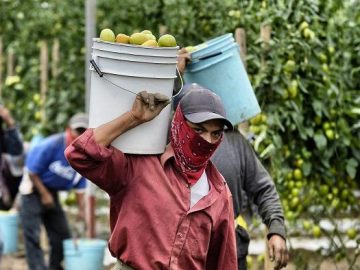
For Santino, a construction worker originally from Peru, the challenge was not money alone but time. Living with his family in Riverside County, he spent long days traveling to job sites across Southern California. Some mornings began at 3 a.m. and ended with a brief dinner before bedtime. The long hours allowed him to provide financially, but often left little time for the family moments he valued most. His story reflects a dilemma familiar to many working fathers who find themselves caught between earning a living and being present at home.
Gael’s experience looked very different. As a college professor, he enjoyed a flexible schedule that allowed him to take on significant childcare responsibilities. In doing so, he stepped away from traditional expectations about masculinity and fatherhood. Yet even this choice came with costs. The time devoted to family affected his professional advancement, illustrating that involved fatherhood often requires tradeoffs regardless of income or occupation.
Beyond their present day struggles, many of the fathers Suarez interviewed spent considerable time reflecting on the men who raised them. Their memories were often complicated, filled with both admiration and disappointment. Many described fathers who worked tirelessly to support their families but who rarely expressed affection or emotional vulnerability.
These reflections became a guide for their own parenting. Rather than rejecting their fathers entirely, many sought to build on what they admired while correcting what they felt had been missing. Suarez describes this process as “intergenerational corrective fatherhood,” in which men consciously try to give their children the emotional support, communication, and presence they may not have received themselves.
Still, the fathers’ reflections revealed another layer of complexity. While many sought to create better childhoods for their children, some worried that a life free from hardship could come with unintended consequences. One father, Santos, a second generation Mexican American, expressed concern that family histories of struggle and sacrifice might be forgotten. Like several others, he wondered whether greater comfort and opportunity could lead children to become more individualistic and less connected to the values that shaped previous generations.
Suarez’s research ultimately paints a portrait of Latino fathers that moves beyond simplistic labels. These men are providers, caregivers, mentors, and role models navigating economic pressures, changing expectations of masculinity, and the enduring influence of family history.
As families across the country celebrate Father’s Day, their stories offer a reminder that fatherhood is rarely defined by a single model. It is shaped by sacrifice, resilience, love, and the everyday decisions fathers make to build a better future for their children. For many Latino fathers, that future is being forged not only through hard work, but through a deliberate effort to redefine what it means to be a dad.