Workforce reductions, office closures, policy shifts and expanded AI tools at the Social Security Administration are creating new obstacles for disability applicants, including more than 1.5 million Latino beneficiaries.
A rapid series of administrative, staffing and policy changes the Social Security Administration underwent early on in the second Trump administration are making it much harder to get disability benefits that millions of Americans rely on to make ends meet.
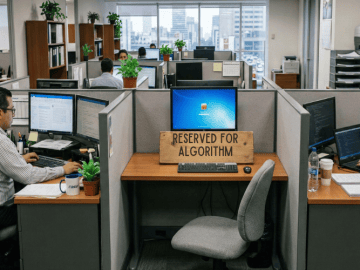
The agency cut more than 7,100 jobs – more than 13% of its workforce and its largest staffing cut ever. It closed six of its 10 regional offices, moved more services online and expanded the use of automated and artificial intelligence systems on its public telephone lines.
Some rules changed and changed back again. For instance, Social Security officials announced in March 2025 that people would no longer be able to apply for benefits on the phone, only to reverse course a month later.
The process has become even harder: 16 million people get these benefits. Approximately 1.5 to 1.7 million Latinos (Hispanic Americans) receive federal disability benefits across the two main U.S. social safety net programs.
An estimated 1.2 to 1.3 million Hispanic adults receive SSDI, making up roughly \(10\%\) of the total SSDI recipient population. An estimated 320,000 to 350,000 Hispanic individuals receive this needs-based disability benefit, accounting for roughly \(13\%\) of the SSI population.
The Social Security Administration is a federal agency that runs some of the country’s biggest social safety net programs, including benefits for more than 60 million retired workers, as well as survivor benefits for the spouses of workers who have died and their children who are under 18.
In addition, the agency administers two kinds of disability benefits to a total of 16 million people.
Supplemental Security Income, or SSI, is a public assistance program for low-income older adults and people with disabilities under age 65. In 2026, it provides a maximum of US$994 per month for any one person getting benefits.
Social Security Disability Insurance, or SSDI, provides a limited pension for those who have worked long enough to qualify and now have disabilities that prevent them from working any longer. Payments vary based on one’s past wages, but the monthly average in 2026 is about $1,634.
To receive either kind of benefits, Americans must meet the Social Security Administration’s strict definition of disability, which considers health status, past education and employment and age to determine if a physical or mental disability makes someone unable to work.
There are no time limits on how long you can receive SSI benefits. But children and adults under age 65 are subject to periodic assessments of their eligibility and must adhere to the program’s rigid rules. For example, they can’t have more than $2,000 in assets at any time while receiving benefits, must submit their pay stubs for any earned income monthly, and must report any changes in their living situation, marital status or bank accounts.
Encountering long wait times and chatbots
The Trump administration made no formal changes to eligibility criteria for SSI or SSDI, despite considering proposals that could have narrowed eligibility rules and potentially excluded millions who qualify for these benefits today or reduced the size of benefits payments for many people with disabilities.
But when the Urban Institute, a nonpartisan research center, analyzed state-level data from the first half of 2025, it found that 7% fewer claims for disability benefits were submitted to the Social Security Administration than during the same period a year earlier.
AI Problem
Other benefits representatives encountered AI chatbots that did not answer their questions, or found that staffers with specialized knowledge had been reassigned to perform other tasks.
“I just have so many cases that are stuck in purgatory because they don’t have enough workers to work them,” said Jane, a paralegal we interviewed in Social Security’s Kansas City region. “They don’t have enough workers to answer the phone to tell me what’s happening to them.”