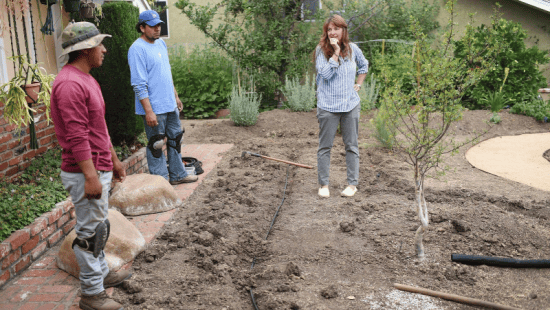
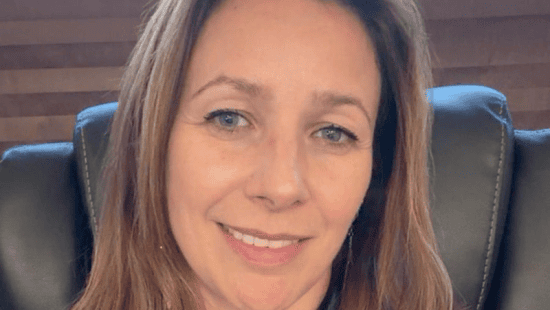
Sandra De Anda and Isuri S. Ramos grew up in the same Santa Ana neighborhood. Now they are leading City Council races that could shift political power and put their ideas about housing, immigrant protections and policing to the test.
Minnie Street is a long way from the council chambers at Santa Ana City Hall. But for Sandra De Anda and Isuri S. Ramos, the distance is more personal than geographical.
Both women grew up in working-class immigrant families in the Minnie Street neighborhood, where affordable housing, public transportation and community services were part of everyday life.
Today, at 33, both are approaching a different kind of responsibility: helping govern the city where they were raised.
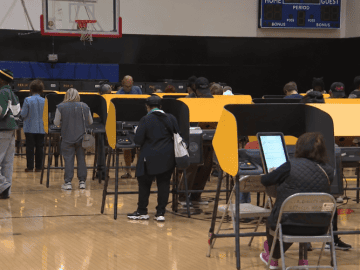
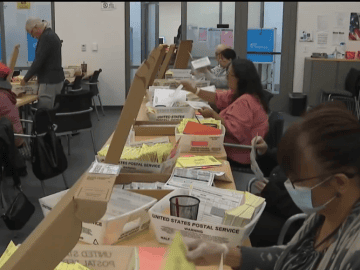
De Anda and Ramos were leading their respective City Council races as of Thursday, November 5, with their margins growing as more ballots were counted. The results remained unofficial, but their potential victories could reshape Santa Ana’s political alliances.
There is something meaningful about two women from the same neighborhood reaching this point through community organizing. Yet their backgrounds are only part of the story.
The bigger question is what they will do with political power if voters send them to City Hall.
Different paths from the same neighborhood
De Anda, the eldest of seven children, says she grew up in a working-class immigrant family on Minnie Street. She remembers housing and food insecurity and the fear of immigration enforcement as part of neighborhood life.
Those experiences influenced her work with immigrant families.
She became a director of the Orange County Rapid Response Network, which helps residents facing immigration enforcement connect with legal support and community resources.
Her campaign for Ward 4 put her against incumbent Phil Bacerra, whose positions on policing and housing have drawn criticism from tenant and immigrant-rights organizations.
Ramos took a different path.
Ramos says her family once lost its home. She grew up relying on public transportation, libraries and community programs, experiences she credits with shaping her interest in neighborhood planning and public service.
After attending Santa Ana schools and graduating from UC San Diego, she became involved in organizing around affordable housing, parks and neighborhood conditions.
Ramos now serves as executive director of Chispa and chairs Santa Ana’s Planning Commission, where land use and development decisions are part of the job.
In Ward 6, she faced attorney and housing commissioner Giovanni Chavez in an open-seat contest.
Their careers reflect different approaches to public service. De Anda has focused heavily on immigrant protections and legal advocacy. Ramos has worked on housing, neighborhood development and community organizing.
Both have made affordability and accountability central to their campaigns.
Their candidacies also connect with a broader conversation about Latino voters and generational change in California. But their individual experiences do not necessarily represent the views of every Latino resident.
A changing balance of power
By Thursday, November 5, Sandra De Anda was leading incumbent Phil Bacerra in Ward 4, while Isuri S. Ramos was ahead of Giovanni Chavez in Ward 6. Both races remained unofficial as Orange County election officials continued counting ballots.
The contests mattered beyond the two council seats.
Bacerra and Chavez received support from police organizations, while De Anda and Ramos drew backing from labor unions, tenant advocates and community groups seeking changes in local policy.
Those competing alliances reflect disagreements over public safety, housing regulation, immigration enforcement and city spending.
Santa Ana’s next council will also inherit a structural budget deficit. That means decisions about programs, employee contracts and public safety spending will involve difficult tradeoffs.
A different council majority could change which proposals receive attention and support. But even a majority cannot eliminate financial constraints or guarantee that every campaign commitment becomes law.
Three decisions that will define the next chapter
Housing comes first. Santa Ana families continue to face difficult choices about rent, overcrowding and whether they can afford to remain in the city.
Both candidates support stronger housing protections. The practical test will be whether the council preserves affordable homes, addresses displacement and advances housing policies that produce measurable results.
Immigrant protections are another test. De Anda and Ramos have criticized immigration enforcement practices affecting local families.
Council decisions could involve how city departments interact with federal immigration authorities, how public resources are used and whether existing protections are strengthened.
The legal limits of municipal authority will matter as much as the council’s intentions.
Police accountability and surveillance will also be closely watched.
Both candidates have raised concerns about automated license plate readers and other surveillance practices. Their positions could influence future technology contracts, privacy safeguards and police oversight.
De Anda described her priorities in a statement reported Thursday by Voice of OC:
“They elected me and expect me to deliver.”
She identified immigration enforcement, surveillance cameras, community services and neighborhood safety among the issues she intends to address.
The challenge will be translating those priorities into council decisions while responding to residents who may disagree about policing, spending and public safety.
What residents can watch next
The Orange County Registrar of Voters publishes updated election results. Once the election is certified, residents can follow council agendas, contracts, budgets and public meetings through the City of Santa Ana.
Those records will provide a clearer measure of whether campaign commitments become funded programs, adopted ordinances and changes residents can see.
For De Anda and Ramos, Minnie Street will always be part of their story. City Hall would place them in a position to make decisions for people across Santa Ana, including residents with different priorities and expectations.
Their campaigns have already brought two neighborhood experiences into the city’s political debate.
What happens next will depend less on where they came from than on the decisions they make, the people they listen to and the results they deliver.