Federal guidance outlines work, education, training, and community service requirements for certain Medicaid recipients while exempting caregivers, students, people with disabilities, and others.
The Trump administration has released new federal guidance outlining work requirements for certain Medicaid beneficiaries, including who must participate and which groups qualify for exemptions.
Under the guidance, able-bodied adults ages 19 to 64 enrolled in Medicaid would be required to complete at least 80 hours per month of qualifying activities. Those activities can include paid employment, education, job training programs, or approved community service.
The announcement is drawing attention across the country because Medicaid provides health coverage for millions of low-income Americans, including many families in California who receive coverage through Medicaid, the state’s Medicaid program.
For beneficiaries, the key question is simple: Will these requirements apply to me?
Who Is Exempt From Medicaid Work Requirements?
According to the federal guidance, several groups would be exempt from the monthly participation requirement.
Exemptions Include:
- Pregnant and postpartum individuals
- People with disabilities
- Individuals considered medically frail
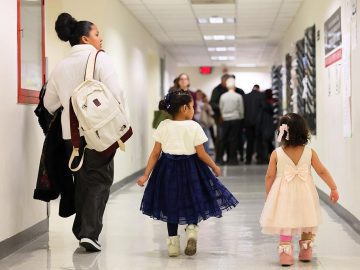
- Primary caregivers of children
- Primary caregivers of incapacitated individuals
- Full-time students
- Foster youth
- American Indians and Alaska Natives
Federal officials say the exemptions are intended to protect vulnerable populations while encouraging workforce participation among adults who are able to work.
What Counts Toward the 80-Hour Requirement?
Eligible beneficiaries may satisfy the requirement through:
- Paid employment
- Self-employment
- Job training programs
- Educational activities
- Community service or volunteer work
The guidance is designed to provide multiple pathways for compliance rather than limiting participation to traditional employment.
Why This Matters in California
California operates Medi-Cal, one of the largest Medicaid programs in the nation. Millions of Californians rely on Medi-Cal for doctor visits, hospital care, prescription medications, preventive services, and mental health treatment.
Any future implementation of federal work requirements could have significant implications for California residents, particularly lower-income workers with unstable schedules, people balancing caregiving responsibilities, and those moving between jobs.
Los Angeles County has one of the largest Medi-Cal populations in the country, making any changes to Medicaid eligibility rules especially important for local families.
Key Takeaways
- Certain Medicaid beneficiaries ages 19 to 64 may be required to complete 80 hours per month of qualifying activities.
- Work is only one option. Education, job training, and community service may also qualify.
- Several groups are exempt, including caregivers, students, pregnant individuals, and people with disabilities.
- California residents enrolled in Medi-Cal should monitor state guidance regarding implementation and reporting requirements.
Federal guidance establishes the framework, but implementation details can vary depending on legal, administrative, and state-level decisions.
Health policy experts expect continued debate over how work requirements affect access to healthcare, workforce participation, and administrative costs. States will also face questions about verification systems, reporting processes, and exemption determinations.
For now, Medi-Cal beneficiaries should pay close attention to official updates from California health agencies and review any notices regarding eligibility or reporting requirements.
As additional details emerge, the biggest issue for many families will be understanding whether they qualify for an exemption and what steps, if any, they need to take to maintain health coverage.