As ICE investigates alleged SNAP fraud nationwide, immigrant families in Los Angeles face new CalFresh eligibility rules and growing questions about who can still receive food assistance.
For immigrant families across Los Angeles County, putting food on the table has become more complicated as changes to food assistance eligibility coincide with growing concerns about immigration enforcement. A nationwide operation launched by the Department of Homeland Security (DHS), targeting immigrants accused of fraudulently obtaining Supplemental Nutrition Assistance Program (SNAP) benefits, has added another layer of uncertainty for families already trying to understand whether they qualify for assistance.
U.S. Immigration and Customs Enforcement (ICE) confirmed the operation to Fox News, reporting several arrests involving immigrants accused of fraudulently receiving SNAP benefits. The announcement has prompted questions about the relationship between public assistance and immigration status, particularly in communities where households may include undocumented parents, lawfully present immigrants, and children who are U.S. citizens.
For many families, the concern extends beyond the arrests themselves. Parents may wonder whether applying for food assistance, renewing benefits, or providing information to a government agency could expose them or their relatives to immigration scrutiny. These concerns are particularly significant in Los Angeles County, where new CalFresh eligibility restrictions for certain noncitizens took effect April 1, 2026.
CalFresh is California’s version of SNAP, the federal nutrition assistance program that helps eligible households afford groceries. The eligibility changes have made it more important for immigrant families to understand how immigration status affects access to benefits. Some noncitizens who previously qualified may no longer be eligible under the revised federal rules.
However, the changes do not mean that every immigrant is automatically barred from receiving assistance. Eligibility depends on individual circumstances, including immigration status and other program requirements. U.S. citizen children living with undocumented parents may still qualify if they meet the applicable criteria.
That distinction can be difficult for families to navigate, particularly when information about eligibility changes and immigration enforcement circulates at the same time. Parents may hear about arrests or new restrictions and conclude that applying for assistance is too risky, even when their children or other household members could remain eligible.
The consequences of that confusion can extend beyond the person completing an application. In households where parents and children have different immigration statuses, a misunderstanding about one person’s eligibility may influence decisions affecting the entire family. Parents worried about attracting government attention may hesitate to seek information, delay an application or avoid renewing benefits for eligible household members.
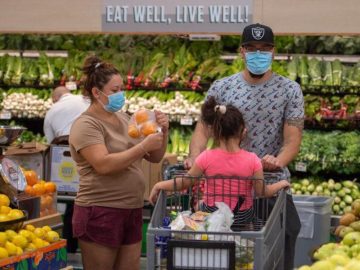
For families already struggling with rent, transportation, and rising grocery costs, losing access to food assistance can place additional pressure on an already limited budget. Benefits intended to help cover groceries can make a meaningful difference in how much money remains available for other necessities. When families are uncertain about whether they qualify, even the possibility of losing that support can create stress.
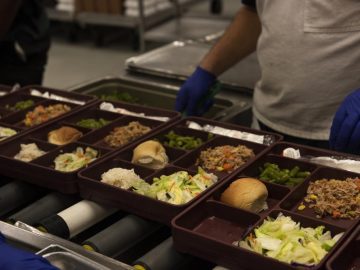
Community organizations and food assistance providers may also face greater demand as residents seek answers. Families need reliable information about who can receive CalFresh, what documentation may be required, and how immigration status affects their individual circumstances. Without clear guidance, rumors and incomplete information can spread quickly, making it harder for people to distinguish changes in eligibility rules from investigations into alleged benefits fraud.
The DHS operation focuses on people accused of fraudulently obtaining benefits. An accusation, however, is not proof of guilt, and the announcement does not establish that all immigrants who receive public assistance have engaged in wrongdoing. The nationwide announcement also does not, by itself, confirm the extent of enforcement activity connected to the operation in Los Angeles County.
Understanding these distinctions is essential as families try to make decisions about food assistance. Immigration status, eligibility for public benefits and allegations of fraud are separate issues, even when they intersect in individual cases. Accurate information can help eligible households avoid giving up assistance because of fear or misunderstanding.
Los Angeles County residents can consult the county’s CalFresh eligibility guidance and seek advice from qualified immigration legal service providers when they have concerns about their circumstances. Families who do not qualify for benefits may also be able to find food support through local food banks and community organizations.
As federal enforcement efforts continue and eligibility rules evolve, immigrant families face the challenge of understanding a changing system while meeting their most immediate needs. For parents trying to provide meals for their children, uncertainty about government assistance can become more than an administrative problem. It can shape whether they feel safe asking for help.
The central question for many families is no longer simply whether food assistance is available, but whether they understand the rules well enough to seek it without fear. Clear communication about eligibility, accessible legal guidance, and reliable information will be crucial to helping families understand their rights and ensuring that eligible children and households do not miss out on support because of confusion.