
A Salvadoran immigrant won a $1 million Massachusetts lottery prize days before ICE arrested him. Could deportation affect his right to keep the winnings?
A Massachusetts man who smiled for a lottery photo with an oversized $1 million check was arrested by federal immigration agents days later. The case has raised a simple question: can he keep the money?
Ariel Antonio Velasquez, a Salvadoran national, won the prize on a $10 “$2,000,000 50X Cashword” scratch ticket that he bought at a market in East Boston. The Massachusetts State Lottery awarded the prize on November 18. Three days later, it posted a photo on Facebook of Velasquez holding the giant check.
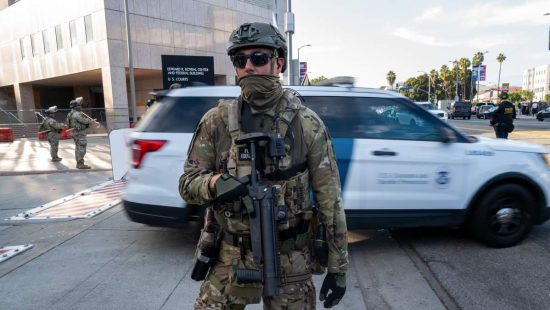
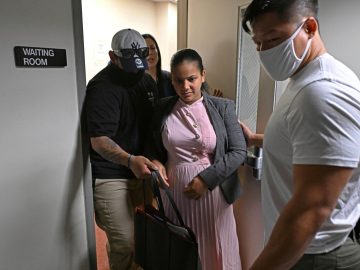
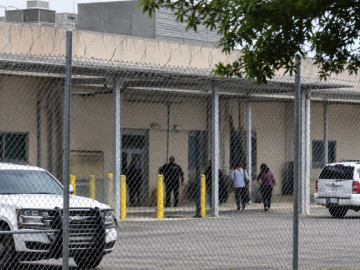
On Tuesday, November 24, immigration officers arrested him in East Boston, the same neighborhood where he bought the winning ticket. According to three ICE sources who spoke to Fox News, he ran when officers moved in, but a short foot chase ended with his capture. The sources said the arrest was recorded on officers’ body cameras. The sources also said Velasquez has been under a final deportation order since 2014.
It remains unclear how ICE found him or whether officers knew about his lottery win before the arrest. It is also unclear whether he had a lawyer at the time or had tried to challenge the order. ICE’s Boston office marked the arrest on social media with a post that played on the lottery theme.
How much did he actually get?
The prize was advertised as $1 million, but Velasquez chose the cash option. According to the lottery’s announcement, that meant a single payment of $650,000 before taxes. Federal and state withholding would reduce the amount he receives, so the money in his hands is lower than the headline figure.
Can he keep it?
Most likely yes, although the details would depend on a lawyer’s advice. The reasoning is simple. The prize was paid for a legal ticket purchased in a legal transaction. Once the lottery paid him, the money became his property. An immigration arrest and a deportation order deal with whether he can remain in the United States. They do not, on their own, decide who owns their bank account.
The government can seize money through forfeiture, but that generally requires a link to a crime, such as fraud or drug trafficking. Nothing reported so far suggests the winnings came from anything other than a lottery ticket. Being in the country without legal status is an immigration violation and does not turn legal earnings into seized property. Practical hurdles Keeping the money and using it are different things.
Someone held in detention cannot easily visit a bank, so he would likely need a trusted person with a power of attorney to handle his account. He would also still owe taxes, and any debts or court ordered obligations, such as child support, could still reach the funds. If he is deported to El Salvador, he could move the money abroad. Bank wires are the cleanest method, since they leave a clear record.
Carrying more than $10,000 in cash across the border is allowed but must be declared, and undeclared cash can be seized. El Salvador uses the US dollar as its currency, so it would not lose value to an exchange rate. What remains unknown Much of the reporting remains on anonymous ICE sources relayed through Fox News, and Velasquez has not publicly told his side.
There are open questions about his immigration history, his legal representation and what will happen to the money while his case proceeds. For now, the known facts are limited. A man won a large prize, posed for a photo, and was arrested three days later. Whether he walks away from the United States with a six figure sum depends on his case and on how carefully the money is managed, but nothing in the reports so far suggests the lottery winnings themselves are at risk.