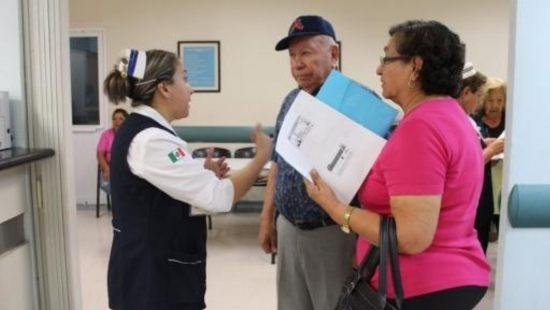
A new Medi-Cal Care Coordination service will help patients find healthcare providers and navigate medical treatment beginning January 1, 2027. Families who need help can already contact the state’s Medi-Cal Help Line.
California is establishing a new service to help Medi-Cal patients find doctors and arrange their healthcare as certain immigrant beneficiaries prepare for changes to their coverage in January.
The California Department of Health Care Services (DHCS) confirmed that its new Medi-Cal Care Coordination service will begin January 1, 2027, when affected members transition from managed care to fee-for-service.
For patients who depend on a care manager to arrange appointments, find specialists or coordinate treatment, the transition raises a practical concern about who will take on that responsibility in January.
Under the upcoming Medi-Cal transition, affected patients who remain eligible and renew on time can keep their healthcare coverage, although some may need to find different providers or make new arrangements for treatment.
What will Medi-Cal Care Coordination do?
The new service is designed to help eligible patients locate participating healthcare providers and obtain the medical services they need.
Under fee-for-service Medi-Cal, patients generally have more responsibility for choosing their doctors and arranging appointments than they do under managed care.
Additional coordination assistance could be particularly important for people who depend on multiple healthcare providers, regular treatment appointments or medical equipment.
However, the state’s published transition guidance does not yet explain the detailed eligibility requirements for enhanced assistance, how referrals will be handled or how long individual patients may receive support.
What happens if you already have a Medi-Cal care manager?
Some patients currently receive assistance through Enhanced Care Management, a program that helps people with complicated healthcare and social needs manage their care.
Others receive Community Supports, which can include specialized meals or assistance finding housing.
According to the DHCS transition FAQ, neither program is offered under regular fee-for-service Medi-Cal.
Other forms of assistance may remain available, including chronic care management and services from community health workers and promotoras.
California also plans to introduce a Nurse Advice Line and provide community-based assistance to help patients navigate healthcare services in their own language.
Whether the new Care Coordination service will provide the same level of individualized assistance as existing care-management programs remains unclear.
Patients who currently rely on these services should speak with their care managers before the transition about which alternatives may be available.
How to get help with Medi-Cal changes now
Families do not have to wait until January to ask for assistance.
The Medi-Cal Help Line is already available for questions about the transition and help finding participating healthcare providers.
When calling, explain what kind of assistance you need. This may include:
- Finding a doctor or specialist who accepts fee-for-service Medi-Cal.
- Arranging continued access to medical equipment, oxygen or other supplies.
- Understanding transportation options for medical appointments.
Patients with ongoing treatments should also ask their healthcare providers whether new treatment authorizations will be necessary.
DHCS provides a Care Transition Checklist through its official fee-for-service transition resources to help patients and caregivers review their medical needs before January.
Medi-Cal Help Line: 1-800-541-5555.
For patients experiencing problems obtaining Medi-Cal benefits or covered services, DHCS also accepts complaints at 916-345-8980 or by email at Medi-Cal.Benefits@dhcs.ca.gov.
Additional Care Coordination assistance is scheduled to begin January 1. Until then, patients can contact the existing Help Line for transition-related assistance.
Before January 1, patients receiving ongoing treatment should know which providers will continue their care, whether new approvals are needed and whom to contact if those arrangements fall through.