Herbicide exposure colon cancer risk is drawing new scrutiny as research links chemical exposure to rising cancer rates among younger adults, with major implications for Latino workers in landscaping and agriculture.
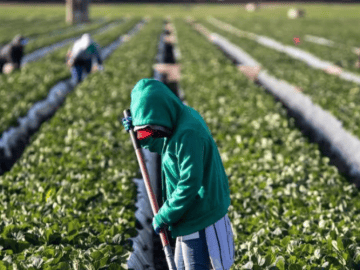
A new 2026 study published in Nature Medicine is raising urgent questions about the long-term health risks faced by U.S. workers who handle herbicides every day. For Latino communities, the findings land close to home. Latinos make up a large share of the landscaping, agricultural, and grounds maintenance workforce, where chemical exposure is often routine and protections vary widely.
Researchers analyzed what they call “epigenetic fingerprints,” biological changes that show how environmental exposures can alter gene expression over time. Their conclusion is direct. Certain herbicides may leave measurable marks linked to early-onset colorectal cancer, defined as cases diagnosed before age 50.
One chemical stood out. Picloram, commonly used in weed control, showed one of the strongest associations in the study. While Glyphosate, widely known through products like Roundup, is often at the center of public debate, this research points beyond it. The highest signals in this analysis were tied to other agricultural chemicals, suggesting a broader risk landscape than previously understood.
Dr. Timothy Rebbeck, a cancer epidemiologist at Dana-Farber Cancer Institute, has warned in past research that environmental exposures are becoming harder to ignore. “We are seeing patterns that suggest cancer risk is not just genetic or lifestyle-driven,” he has said. “Workplace and environmental factors are part of the story.”
Why this matters for Latino communities
Data from the National Cancer Institute shows that early-onset colorectal cancer is rising faster among Hispanic and Latino populations than in any other group in the United States. Patients are also more likely to be diagnosed at later stages, when treatment is more difficult and outcomes are worse.
Researchers involved in initiatives like ENLACE have pointed to a mix of factors. These include lower screening rates, barriers to healthcare access, and occupational exposures that are not always tracked in traditional medical records.
This is not just a medical issue. It is a workplace issue.
Separate research published in Nature has identified toxins produced by certain gut bacteria, including colibactin, as another possible driver of early-onset colorectal cancer. Scientists now believe the disease may result from multiple overlapping risks, including environmental chemicals, microbiome changes, and diet.
Symptoms that should not be ignored
Because routine screening typically begins at age 45, younger adults often miss early warning signs. The National Cancer Institute highlights several red flags:
Persistent abdominal pain
Blood in the stool
Ongoing constipation or diarrhea
Unexplained fatigue linked to anemia
Sudden weight loss
“These symptoms are often dismissed, especially in younger patients,” notes Dr. Folasade May of UCLA Health. “That delay can cost valuable time.”
The U.S. Environmental Protection Agency emphasizes that exposure risk can be reduced, even in high-contact jobs.
Use chemical-resistant gloves and protective clothing
Wear eye protection when mixing or spraying
Wash work clothes separately from family laundry
Shower immediately after work
Avoid eating or drinking while handling chemicals
Follow all label instructions strictly
These steps may seem basic, but they directly reduce what scientists call “body burden,” the accumulation of chemicals over time.
This research does not claim that herbicides alone cause colon cancer. What it does show is more unsettling. Long-term exposure may leave biological traces that increase risk, especially when combined with other factors.
For Latino workers, this is a call for awareness, protection, and earlier conversations with doctors. The science is evolving, but the message is already clear. Workplace exposure is part of the cancer story, and it can no longer be ignored.

Calls to Mental Health Hotlines Rise as Farmers Buckle Under Stress