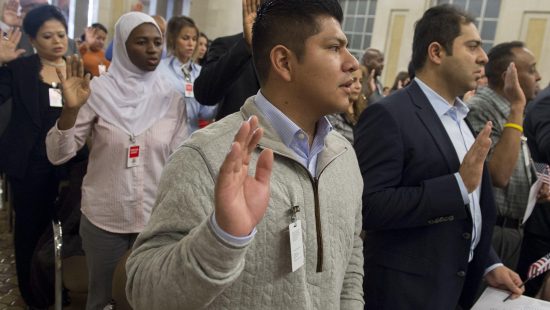
Harvard researchers say close relationships are the strongest predictor of long-term happiness and health. For many Latino households in California, family connection has long been a daily survival tool and emotional anchor.
LOS ANGELES — One of the world’s most famous happiness studies keeps reaching the same conclusion: strong relationships matter more than wealth, status, or career success when it comes to living a longer, healthier life.
The Harvard Study of Adult Development, which began in 1938 and continues today, has repeatedly found that people with warm, dependable relationships tend to experience better physical health, stronger memory, and greater life satisfaction as they age. Researchers now describe this as “social fitness,” meaning relationships need regular care just like the body needs exercise.
But there is an important limitation often left out of headlines: the original Harvard study did not include Latino participants. It began with 724 young men, including Harvard students and boys from working-class Boston neighborhoods, at a time when the city was overwhelmingly white. Later generations were added, but the original sample was not representative of modern America.
That matters in Los Angeles County, where Latinos make up nearly half the population and family structure often plays a central role in emotional wellbeing, caregiving, and financial survival.
Separate Harvard-linked research offers a different lens. A 2014 NPR, Robert Wood Johnson Foundation, and Harvard School of Public Health poll found many Latino immigrants reported they came to the United States seeking a better life and believed they found greater opportunity, safer communities, better schools, and stronger access to healthcare. At the same time, many also said family closeness, friendliness, and community connection were not necessarily stronger in the U.S. than in their countries of origin.
That split may feel familiar in Southern California.
Many Latino households in Los Angeles balance demanding work schedules, long commutes, high rent, and multigenerational responsibilities. Yet they often preserve the same protective factor Harvard now says is essential: reliable human connection.
Researchers have long examined what some call the “Latino epidemiological paradox,” the finding that certain Latino populations have shown better health outcomes than expected despite lower average income and higher structural stress. While newer studies challenge parts of that theory, many scholars continue exploring whether family cohesion, social support, and community ties help explain resilience.
For Latino families in California, the lesson may be practical rather than academic.
Happiness may not come from expensive wellness trends or social media productivity culture. It may come from the grandmother who watches the children, the cousin who helps during a crisis, the neighbor who checks in, or the family dinner that keeps people emotionally anchored.
Mental health experts increasingly warn that loneliness, isolation, and chronic stress can damage both mind and body. In a city as large and expensive as Los Angeles, connection can be harder to maintain, but also more valuable.
What Harvard discovered after decades of research may be something many Latino communities have practiced for generations: when life gets harder, people need people.
For families across Los Angeles, protecting relationships may be one of the most important health decisions they make this year.