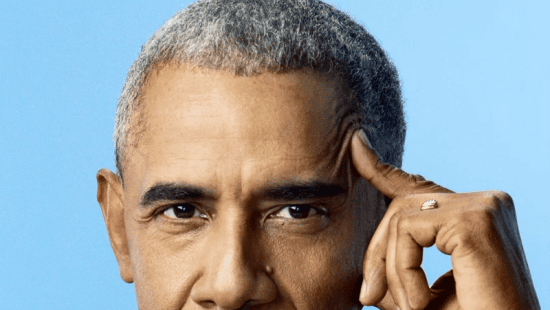
Evelio Menjivar-Ayala, who once lived undocumented and worked low-wage jobs in Los Angeles, has been appointed bishop by Pope Leo XIV. For Latino families in California, his story reflects faith, sacrifice, and immigrant resilience.
LOS ANGELES — Before he wore a bishop’s ring, Evelio Menjivar-Ayala carried the burden many immigrant families know well: fear, uncertainty, and the need to survive.
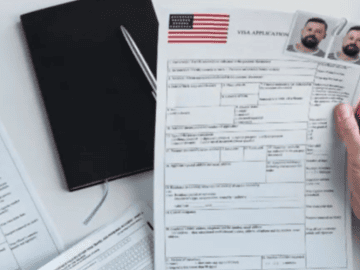
As a teenager fleeing El Salvador’s civil war, Menjivar-Ayala came to the United States in 1990 after multiple attempts to enter the country. He eventually reached Los Angeles, where he lived undocumented and worked blue-collar jobs, including janitorial and construction work.
Now, in a moment resonating far beyond the Catholic Church, Pope Leo XIV has appointed him bishop of the Diocese of Wheeling-Charleston in West Virginia.
For Latino communities across California, especially in Los Angeles, the appointment feels larger than religion. It reflects a truth many families have lived for generations: immigrants often begin in the hardest places, yet help shape the nation’s future.
Los Angeles has long served as a landing place for Salvadoran and other Latino migrants escaping war, poverty, or economic instability. According to the U.S. Census Bureau, Los Angeles County is home to one of the nation’s largest Latino populations, with millions connected to immigrant roots.
That makes Menjivar-Ayala’s story personal here.
He once worked the kind of jobs many parents and grandparents took quietly to keep families afloat. He lived the anxiety of uncertain status. He understood what it means to start over with little.
His rise is also historically significant. Menjivar-Ayala has been recognized as the first Salvadoran-born bishop in the United States and among the first Catholic bishops known to have once entered the country as an undocumented immigrant.
He became an auxiliary bishop in Washington in 2023. This new appointment marks another milestone in the growing visibility of Latino leadership inside major American institutions.
Pew Research Center has found Latinos make up a substantial share of U.S. Catholics, especially younger generations. Yet church leadership has not always reflected that reality. For many families, representation matters because it signals who is seen, trusted, and heard.
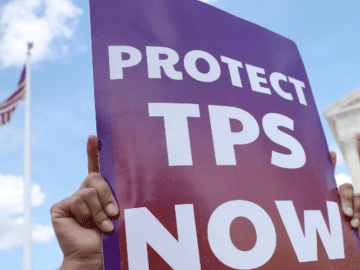
Menjivar-Ayala has spoken publicly on immigration, Catholic education, and protecting children. Those issues hold particular weight in California, where families continue to navigate housing costs, school affordability, and uncertainty over federal immigration policy.
In Los Angeles, churches often function as more than places of worship. They serve as food centers, counseling spaces, community networks, and shelters during hardship. Leaders who understand migration from lived experience can carry unusual credibility.
His appointment also arrives during a period of sharp national debate over immigrants and belonging.
Menjivar-Ayala’s life offers a different lens. It suggests the story of migration is not only about struggle or politics. It is also about service, leadership, and contribution.
For parents in Los Angeles working long hours so their children can rise higher, his path may feel familiar.
A young migrant who once cleaned buildings and worked construction in this city now leads a diocese in America.
For many Latino families, that is more than symbolism.
It is recognition.