As insurance premiums rise and many residents delay care, some California candidates are again pushing single-payer healthcare. The decision could reshape coverage for millions, especially in Los Angeles.
LOS ANGELES, Calif. — California’s next governor may inherit one of the state’s biggest unresolved problems: a healthcare system many residents see as too expensive, too confusing, and too hard to access when they need it most.
Now some candidates are again floating a controversial solution: single-payer healthcare, a model in which one public system finances care for all residents instead of relying on multiple private insurers.
The debate is returning at a time when families across Los Angeles and California face rising insurance premiums, medical debt, long waits for appointments, and growing frustration with provider networks that often limit where patients can go.
What Single-Payer Would Mean
Under a single-payer system, the government would collect taxes to fund healthcare and cover medically necessary services for residents. That could include doctor visits, hospital care, prescriptions, and preventive services, often with little or no premiums, deductibles, or co-pays.
Doctors and hospitals could still remain private in many versions of the model, but billing would run through one public system.
Supporters argue it would replace a fragmented system that leaves many people underinsured even when they technically have coverage.
Why California Is Having This Fight Again
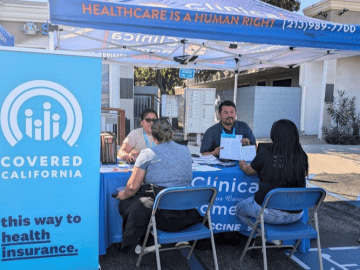
California already operates one of the nation’s largest public health systems through Medi-Cal, which covers millions of low-income residents. The state has also expanded Medi-Cal regardless of immigration status for many income-qualified adults, making California a national outlier on coverage policy.
But expanded coverage has not solved every problem.
Patients still report difficulty finding appointments, navigating networks, and paying out-of-pocket costs. Employers continue to struggle with rising insurance expenses, especially small businesses.
The California Health Care Foundation, which tracks affordability and access trends, has repeatedly documented concerns over delayed care and cost burdens. Those findings matter because they show insurance alone does not guarantee timely treatment.
Why It Matters for Latino Communities
Latinos make up a major share of California’s workforce and population, especially in Los Angeles County. They are also more likely to work in jobs that may not offer strong employer-sponsored coverage.
That means any system that lowers premiums or expands stable coverage could have outsized effects for working families, self-employed workers, and mixed-status households trying to manage healthcare costs.
The U.S. Census Bureau and Pew Research Center have both documented coverage gaps and economic pressures that disproportionately affect Latino households. In practice, healthcare affordability often intersects with wages, housing costs, and family caregiving.
The Main Concerns
Critics say single-payer would require major tax increases and could disrupt hospitals, insurers, and provider payments during a difficult transition.
Others warn that coverage expansion without enough doctors, nurses, and bilingual providers could worsen wait times.
That issue is especially relevant in Los Angeles, where many communities already face shortages in primary care and mental health access.
What Voters Should Watch
The real question in the governor’s race may not be whether California adopts a pure single-payer model immediately. It may be whether the next governor chooses a slower path: expanding Medi-Cal, capping costs, strengthening public options, and growing the healthcare workforce.
For voters, healthcare policy is critical. It can determine whether families afford prescriptions, find a pediatrician, or avoid debt after an emergency room visit.
California’s next governor will not just manage a budget. They may decide how healthcare works for the next decade.