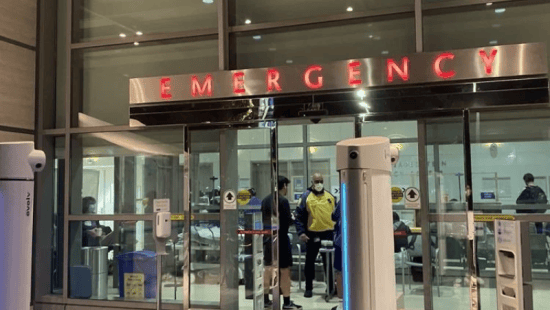
As federal subsidies expire, more California families are facing higher premiums or losing coverage. Here’s what your options are, what hospitals must do during emergencies, and where you can still find affordable care.
For many California families, opening a health insurance renewal notice this year came with a shock.
After enhanced federal financial assistance expired, monthly premiums increased sharply for many middle-income households. Some families chose less expensive health plans. Others canceled coverage altogether because they simply could not afford the higher cost.
If you’re one of them, health experts have an important message: don’t let the loss of insurance keep you from getting medical care when you need it.
California still offers several programs that may reduce healthcare costs, and federal law requires hospital emergency rooms to treat anyone with a medical emergency, regardless of insurance status or ability to pay.
Understanding your options today could protect both your health and your finances tomorrow.
Why More Californians Are Losing Coverage
Covered California reported that enrollment remained relatively stable at just over 1.9 million people, but the marketplace experienced significant changes after enhanced federal subsidies ended.
Among the biggest shifts:
- New enrollments dropped by more than 30 percent.
- Middle-income households earning above 400 percent of the Federal Poverty Level experienced the largest decline, with new enrollments falling nearly 60 percent after losing premium assistance.
- State officials projected that as many as 400,000 Californians could ultimately lose health coverage because of affordability concerns.
- Some consumers saw monthly premiums increase by more than $300.
- More than 130,000 existing members moved from Silver or Gold plans into lower-cost Bronze plans to reduce monthly payments.
California also committed approximately $190 million in state funding to help keep premiums affordable for lower-income residents, helping stabilize overall enrollment despite the loss of federal assistance.
For many working families, however, healthcare has become another difficult household budget decision alongside housing, groceries, and transportation.
Don’t Panic. You Still Have Options.
Losing affordable insurance does not automatically mean you have to go without healthcare.
Depending on your income, age, and household situation, you may have several alternatives.
Best Case: You Qualify for Medi-Cal
If your household income recently decreased or your family size changed, you may now qualify for Medi-Cal even if you did not qualify before.
Medi-Cal provides comprehensive health coverage with no monthly premium for eligible Californians and often covers doctor visits, hospital care, prescriptions, preventive services, and mental health care with little or no out-of-pocket cost.
Many people do not realize that becoming unemployed, reducing work hours, or adding a family member can change eligibility.
Good Case: Lower Your Monthly Premium
If you don’t qualify for Medi-Cal, you may still be able to reduce costs without giving up insurance.
Many Californians are:
- Switching to Bronze plans that offer lower monthly premiums while still protecting against catastrophic medical expenses.
- Comparing different insurance companies because premiums vary by region and carrier.
- Reviewing eligibility for state financial assistance available through Covered California.
Although Bronze plans generally have higher deductibles and copayments, they can provide important financial protection during a serious illness or accident.
Worst Case: You Have No Insurance
Even if you’ve completely lost coverage, you still have legal protections.
One of the biggest misconceptions is that hospitals can refuse emergency treatment if you cannot pay.
That is simply not true.
Can a Hospital Turn You Away?
In a medical emergency, the answer is no.
The federal Emergency Medical Treatment and Labor Act, commonly known as EMTALA, requires hospitals with emergency departments to evaluate and stabilize anyone experiencing an emergency medical condition.
Hospitals cannot delay emergency treatment to ask whether you have insurance, how much money you earn, your immigration status, or whether you can pay.
After your condition is stabilized, the hospital may discuss billing or follow-up treatment, but emergency care must come first.
If you think you or a loved one is experiencing a heart attack, stroke, severe injury, difficulty breathing, or another life-threatening emergency, do not stay home because you are worried about the cost.
What Happens If You Can’t Pay the Hospital Bill?
Receiving emergency care without insurance can still result in a significant bill, but that does not mean you have no options.
Many California hospitals offer Financial Assistance Programs, often called Charity Care, for uninsured or lower-income patients.
Depending on your financial circumstances, the hospital may reduce or even eliminate part or all of your bill.
California also provides additional consumer protections through the Hospital Fair Pricing Act, which requires many hospitals to offer discounted care for eligible uninsured patients earning up to 400 percent of the Federal Poverty Level.
Hospital financial counselors can also help determine whether you qualify for Hospital Presumptive Eligibility, which provides temporary Medi-Cal coverage that may pay for emergency services retroactively.
Healthcare decisions affect far more than a family’s monthly budget.
Delaying treatment can allow manageable health conditions to become emergencies, resulting in higher medical costs, missed work, and longer recoveries.
For many Latino families, financial concerns, language barriers, and uncertainty about available programs can make healthcare decisions even more stressful.
Community health centers, nonprofit clinics, and enrollment counselors throughout California continue helping residents understand their options regardless of insurance status.
Knowing where to turn before a medical crisis happens can make all the difference.
Facts
- Rising premiums have caused many Californians to change or drop health insurance.
- Medi-Cal eligibility may change if your income or family situation changes.
- Bronze plans can lower monthly premiums while maintaining major medical protection.
- Emergency rooms cannot refuse to evaluate and stabilize patients experiencing medical emergencies.
- Charity Care and California financial assistance programs may significantly reduce hospital bills for eligible patients.
- Do not delay emergency medical treatment because you are worried about cost.
Healthcare affordability remains one of California’s biggest challenges, and policymakers continue debating additional ways to stabilize insurance costs.
For families facing difficult financial choices today, the most important message is this:
Losing health insurance does not mean losing your right to emergency medical care, and it does not necessarily mean you have run out of affordable options.
Before canceling coverage entirely, compare available plans, check whether you now qualify for Medi-Cal, and speak with a Covered California enrollment counselor. If an emergency happens, seek medical care immediately and ask about financial assistance afterward.
Your health is too important to postpone because of fear or uncertainty.
FAQ
I can’t afford my Covered California premium anymore. What should I do?
Before canceling your plan, compare other marketplace options, see whether a Bronze plan could lower your monthly payment, and check whether you now qualify for Medi-Cal after any income or household changes.
Can an emergency room refuse to treat me if I don’t have insurance?
No. Federal law requires hospitals with emergency departments to evaluate and stabilize anyone with an emergency medical condition, regardless of insurance status or ability to pay.