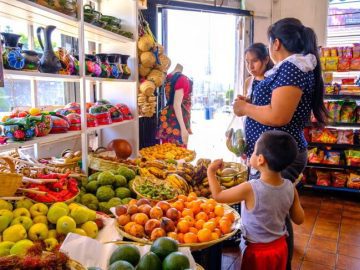
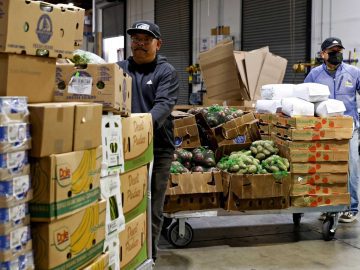
A new UC Riverside study found that greater access to dollar stores is associated with worse metabolic health outcomes, while access to traditional grocery stores is linked to better ones, even after controlling for income and unemployment.
Shoppers may save money at the register by buying groceries at dollar stores, but according to new research from the University of California, Riverside, that savings comes with a measurable cost to their health.
The study, published August 18, 2026, in the journal BMC Public Health, found that greater access to dollar stores is associated with higher rates of obesity, high blood pressure, high cholesterol and type 2 diabetes. Access to traditional grocery stores, by contrast, was linked to better health outcomes. The association held nationwide, even after accounting for income and unemployment levels.
Methodology
Lead author Ryan Bruellman, a UCR doctoral student in genetics, genomics and bioinformatics, analyzed data from the Centers for Disease Control and Prevention’s 500 Cities Project, which covers the largest metro areas in the continental U.S., including greater Los Angeles and the Inland Empire.
Using ArcGIS mapping software, Bruellman measured how many dollar stores were within a 10-minute drive of residential areas and cross-referenced that with a social vulnerability index, a measure of how much difficulty a population has affording food.
The chains included in the study were Dollar General, Dollar Tree, 99 Cent Store and Family Dollar, which together represent roughly 34,000 locations nationwide, more than the total number of traditional grocery stores, according to the study.
Regional findings
The health effect was not uniform across the country. In the South and Midwest, the ratio of dollar stores to traditional grocery stores is roughly 50/50, which Bruellman said amplifies their influence in those regions.
In cities like Philadelphia, the study could not capture the buffering effect of bodegas and small independent grocers, which likely lessen the impact of dollar store dependence where they are present.
The cause: quality, not price
Bruellman emphasized that the quality of the food available at dollar stores, largely highly processed, rather than its price, drives the link to these health problems, in a way comparable to the impact of fast food.
A regulatory blind spot
The study notes that the U.S. Census Bureau currently classifies dollar stores as “general merchandise” retailers rather than grocery stores. As a result, they are frequently excluded from food access research and from policies designed to address so-called “food deserts.”
Possible solutions
Bruellman does not call for reducing the number of dollar stores, but for improving the quality of what they sell. Options he suggests include:
Partnerships between the chains and local farmers to stock fresh fruits and vegetables inside the stores.
Expanding farmers markets and food banks closer to areas where dollar stores are concentrated, since such markets are traditionally located farther away.
The study concludes that traditional grocery stores should not be viewed as the only viable source of food, and that expanding healthy options near these communities is key to reducing the impact observed.