Food inflation has slowed, but grocery prices remain about 33% higher than before the pandemic, forcing many Los Angeles and Latino families to keep adjusting their budgets.
The pressure at the grocery store is far from over.
The latest figures show that U.S. grocery prices remain about 33% higher than in 2019, continuing one of the biggest food price increases Americans have experienced in decades. While inflation has slowed from its peak, grocery bills remain elevated, leaving millions of households paying significantly more for everyday essentials.
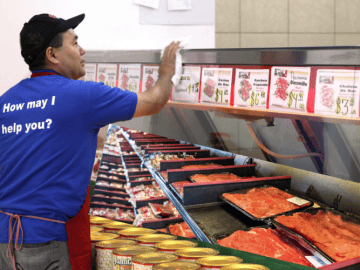
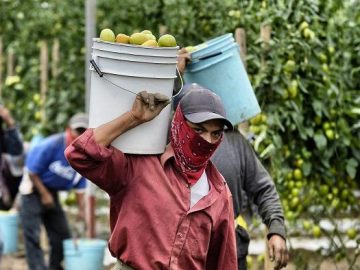
In Los Angeles, where Latinos make up a major share of the population, the impact of higher food costs is especially visible. Families across the region continue to navigate higher prices for staples found in many kitchens — including meat, eggs, dairy products, produce, tortillas, rice, beans, and other household necessities.
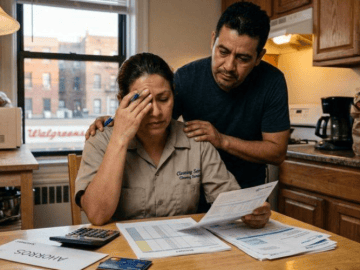
The increase has changed how many consumers shop: comparing prices more carefully, buying fewer items, choosing lower-cost alternatives, and adjusting weekly grocery budgets.
Nationally, food inflation has affected nearly every category of the grocery bill. Some of the biggest increases have been seen in categories such as beef, eggs, and other frequently purchased items, adding pressure to household spending.
Latinos represent nearly one in five people in the United States, making them one of the country’s largest consumer groups. In Los Angeles County, Latinos represent roughly half of the population, making food affordability a major economic issue for the region.
The numbers show a continuing challenge: grocery prices may no longer be rising at the same pace as during the peak of inflation, but prices remain far above where they were before the pandemic.
For millions of families, including those across Los Angeles, the reality is simple — the grocery bill is still higher, and consumers are still feeling the squeeze.