Government databases, 911 records, FOIA lawsuits, and medical investigations are revealing growing concerns about mental health care, transparency, and accountability inside U.S. immigration detention centers.
A growing body of government records, investigative reporting, and independent research is exposing an alarming trend inside America’s immigration detention system: more detainees are dying by suicide while advocates, researchers, and families raise serious concerns about mental health care and federal oversight.
The deaths are being documented through a combination of official federal reporting, Freedom of Information Act lawsuits, emergency dispatch records, autopsy reports, and independent investigations by universities and civil rights groups.
The issue carries particular weight in California, home to some of the country’s largest immigrant communities and a major center of immigration advocacy, legal defense work, and detention oversight battles.
For many Latino families in Los Angeles and across the state, the growing reports deepen fears about how immigrants are treated after entering federal custody.
How These Deaths Are Being Tracked
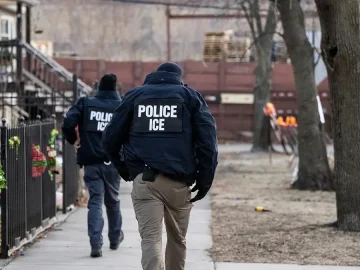
Much of the public information comes from the U.S. Immigration and Customs Enforcement, which is legally required to publish detainee death reports after individuals die in custody.
ICE posts initial notifications publicly and later releases more detailed reviews that can include medical timelines, detention histories, and internal findings.
But journalists and researchers say official reports often arrive weeks or months after incidents occur.
As a result, investigative reporters increasingly rely on alternative records to uncover what happened inside detention facilities.
These include:
- 911 dispatch logs
- Emergency medical response records
- Coroner reports
- Autopsy findings
- Police incident reports
- Jail inspection records
- Internal Department of Homeland Security documents obtained through FOIA requests
Researchers at UCLA School of Law through the Behind Bars Data Project have become one of the leading academic groups compiling and analyzing detention death data nationwide.
Civil rights organizations such as the American Civil Liberties Union and Physicians for Human Rights have also reviewed thousands of pages of federal records and medical documentation tied to detention conditions.
Why Mental Health Concerns Are Growing
Advocates and medical experts say many detainees enter custody already carrying significant trauma.
Some are fleeing violence, political instability, extortion, or persecution in their home countries. Others face prolonged family separation, legal uncertainty, isolation, and fear of deportation after detention begins.
Mental health experts say those pressures can intensify inside detention facilities where access to psychiatric care, interpreters, medications, and suicide monitoring may vary significantly between centers.
Several investigations into detainee suicides have identified allegations involving:
- Delayed medical attention
- Missed psychiatric warning signs
- Inadequate suicide prevention monitoring
- Staffing shortages
- Language barriers
- Solitary confinement concerns
Critics argue the problem extends beyond isolated incidents and reflects broader structural weaknesses inside the immigration detention system.
Why California Is Central to the Debate
California has long been at the center of national immigration policy fights.
The state hosts large immigrant populations, multiple detention facilities, major immigration courts, and some of the country’s strongest immigrant rights advocacy networks.
Los Angeles-based organizations frequently play leading roles in documenting detention conditions, representing detainees, and challenging federal policies in court.
The issue also intersects with California’s broader debates over private detention contracts, local cooperation with federal immigration authorities, and mental health treatment standards in custody settings.
Because many detainees have relatives living in California, deaths in federal custody often ripple across entire family networks and immigrant communities.
Immigrant rights groups argue detention facilities are often ill-equipped to handle severe mental health crises and say transparency remains inconsistent across the system.
They also criticize the length of time some individuals remain detained while immigration cases move through overwhelmed courts.
Federal officials have previously stated that ICE detention facilities maintain medical care standards and suicide prevention procedures designed to protect detainees.
But watchdog groups say repeated deaths and investigative findings suggest deeper accountability questions remain unresolved.
That tension between official oversight claims and outside investigations has fueled ongoing legal challenges and public pressure campaigns.
The issue is likely to receive even greater attention as immigration detention populations fluctuate amid national political battles over border policy, asylum processing, and deportation enforcement.
Researchers continue pushing for broader public access to detention records, faster reporting timelines, and independent oversight mechanisms.
California lawmakers and advocacy organizations may also increase pressure for stronger monitoring of detention conditions tied to facilities operating inside or connected to the state.
For families with loved ones in detention, the growing investigations raise painful but urgent questions:
How closely are vulnerable detainees being monitored?
Who is accountable when warning signs are missed?
And how transparent is the federal government willing to be about what happens behind detention walls?
As more records emerge through FOIA litigation and investigative reporting, those questions are unlikely to fade.