The state reports fewer people living without shelter, while Los Angeles works through stalled housing placements and proposed changes to its referral system.
California’s preliminary estimates show fewer people experiencing homelessness in 2026. In Los Angeles County, however, the latest count shows little overall change, and fewer people moved into permanent housing last year.
The governor’s office announced October 28 that estimated unsheltered homelessness fell 6.5% statewide and total homelessness fell 3.4% compared with reported 2025 figures. The estimates are preliminary, released ahead of final federal findings.
Los Angeles County’s count, released in July, estimated 73,040 people experiencing homelessness, up 1.2%. The Los Angeles Homeless Services Authority, or LAHSA, said the change was not statistically significant. That means the estimate doesn’t establish a clear overall increase.
The statewide improvement and LA’s stalled progress can coexist. For someone waiting for housing, the local numbers help explain why a statewide announcement may feel far removed from the search for an available home.
What California’s estimate measures
The statewide unsheltered estimate combines new counts from 37 local homelessness planning regions with previous counts from seven regions that didn’t conduct a new unsheltered count this year. The governor’s office says that follows federal practice.
The release also reports a 7.3% decline within the 37 regions that provided new counts. That comparison uses their most recent counts, from either 2024 or 2025. It covers a different group and comparison period from the statewide 6.5% estimate.
These point-in-time counts estimate how many people are experiencing homelessness on a single night. They don’t count everyone who loses housing during the year or track each person’s path afterward. HUD’s methodology guide notes that people who experience brief periods of homelessness can be underrepresented.
There’s also a difference between getting indoors and securing a home. People staying in temporary shelters remain counted as experiencing homelessness. People living in permanent housing do not.
That distinction helps explain earlier results. The Public Policy Institute of California’s analysis of federal 2025 data found that California’s overall decline was driven by fewer people experiencing unsheltered homelessness, while sheltered homelessness increased by about 5%.
In Los Angeles, fewer people reached permanent housing
LAHSA’s records show permanent housing placements fell from 28,625 people in 2024 to 23,532 in 2025. The agency attributed stalled progress partly to funding reductions that paused new enrollments in time-limited rental subsidies.
“When our unhoused neighbors lost access to rental subsidies, the system slowed,” Gita O’Neill, LAHSA’s interim chief executive officer, said in the agency’s July release.
Moves from interim housing into permanent housing fell 36%, according to LAHSA. The agency said slower movement left fewer temporary beds available for people living outside.
Those records describe something the one-night count cannot: where people are getting stuck on the way to housing.
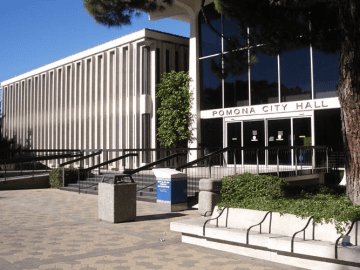
Los Angeles is now working out changes to another part of that process. As Parriva reported October 27, the city has backed terms for a larger role in referrals to city-funded housing and access to homelessness records. Binding agreements still need to spell out how those responsibilities will change hands.
The announcement doesn’t establish that referrals have become faster or that more people have moved into homes. And because it came in October, it cannot explain results measured earlier in the year.
Parriva’s reporting on housing vacancies in Los Angeles shows why the steps after a referral matter, too. Repairs and inconsistent information about unit availability can complicate move-ins. An apartment listed in a database may still need work before someone can live there.
Reader guide: How to follow the results
When comparing homelessness figures, check three things: the place being measured, whether the number covers sheltered or unsheltered homelessness, and the year used for comparison.
For local detail, LAHSA’s 2026 results page separates county, city and regional summaries and links to methodology reports.
To follow LA’s referral agreement, look for signed agreements, dates when responsibilities transfer and instructions for people already receiving services. If you’re working with a housing provider, ask whether your contact or referral process will change.
The statewide estimate offers an encouraging sign. For Los Angeles, the next evidence of progress will include whether more people can leave temporary accommodations, move into permanent homes and stay housed.