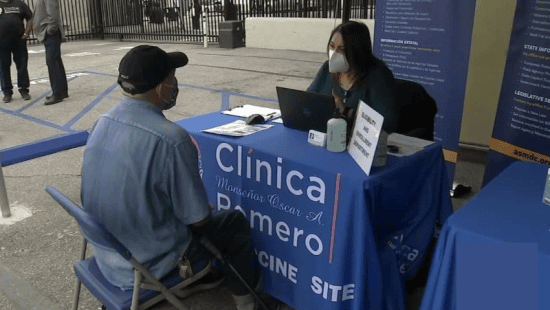
As Washington debates whether Americans are taking too many psychiatric medications, Latino communities face a different problem: many people who need mental-health care still struggle to get it.
In 2023, 6.7% of Hispanic adults reported taking prescription medication for depression, compared with 14.3% of White non-Hispanic adults and 11.4% of adults overall, according to the Centers for Disease Control and Prevention.
The disparity is not new. Federal data from 2015–2018 found that 6.5% of Hispanic adults had used antidepressants in the previous 30 days, compared with 16.6% of non-Hispanic White adults.
But the numbers do not mean Latino adults simply need to take more antidepressants. Depression can be treated with medication, counseling or a combination of both. The more important question is why access to appropriate mental-health treatment remains lower for many Latino patients.
Stigma Is Only Part of the Problem
Research and Parriva’s reporting on mental health have documented barriers that can keep Hispanic patients from seeking or continuing care, including stigma, concerns about medication, communication problems and limited access to culturally responsive treatment.
For some patients, the first obstacle is deciding whether depression is something that should be discussed with a doctor at all. Others may worry about becoming dependent on medication, taking too many pills or being judged for seeking mental-health care.
Those concerns matter, but they do not tell the whole story.
Language and Access Can Make Treatment Harder to Reach
California adds another layer to the national debate.
For Latino Californians, access can depend on whether a patient can find a provider who speaks Spanish, accepts their insurance and has appointments available. Cost, transportation, immigration-related fears and the availability of culturally responsive care can also affect whether someone gets treatment.
California’s Department of Health Care Services is now measuring some of those disparities inside Medi-Cal’s behavioral-health system, including differences affecting Spanish-speaking members.
The state is also confronting a more basic problem: whether there are enough providers for people who need care.
In August, DHCS announced temporary funding withholds for 10 county behavioral-health plans that had failed to correct deficiencies involving provider networks and timely access to behavioral-health services for Medi-Cal members.
That makes California’s current behavioral-health transformation an important test: Will a system designed to expand access actually make it easier for Latino and Spanish-speaking patients to receive care?
Latino Men Can Face an Even Steeper Barrier
The disparity can be particularly pronounced among some Latino men.
Research involving older Mexican American men found that those with high English proficiency were four times less likely than older White men to receive depression treatment. Among those with low English proficiency, the disparity was even larger.
The finding should not be generalized to all Latino men. But it illustrates how language, cultural expectations and attitudes about seeking help can intersect.
For men who have been taught to view emotional problems as something to handle privately, asking for help can itself become a barrier.
Starting Treatment Is Not the Only Challenge
Getting into treatment does not guarantee that a patient will remain in it.
Research has found disparities in continuation of depression treatment among Hispanic patients, while limited follow-up and communication can make it harder to determine whether a treatment is helping, needs to be changed or should be combined with another approach.
That distinction matters because stopping a medication or changing treatment should be an individualized medical decision not a response to a national political debate.
Washington Is Having a Different Conversation
The national debate intensified this year.
In May, the U.S. Department of Health and Human Services announced an action plan intended to curb psychiatric overprescribing and encourage deprescribing when clinically appropriate. The plan emphasizes informed consent, shared decision-making and greater use of evidence-based non-medication treatments.
There can be legitimate questions about whether some patients are prescribed psychiatric medications unnecessarily or whether others remain on medications without adequate review.
But that is different from the problem facing someone who cannot find a Spanish-speaking therapist, cannot get an appointment or never receives a depression diagnosis in the first place.
A health system can have both problems at once: some patients may be overtreated while others are undertreated.
California’s Bigger Test
California is now trying to change how behavioral-health care is delivered through Medi-Cal and its broader behavioral-health transformation.
For Latino communities, success should not be measured only by how many people receive medication.
It should also be measured by whether people can find care, understand their options, communicate with their providers and receive treatment that fits their needs.
That can mean medication for some patients, therapy for others, or both. It can also mean earlier screening in primary care, more bilingual and bicultural providers and better connections between patients and behavioral-health services.
The California Department of Health Care Services provides information about Medi-Cal behavioral-health services and how Californians can obtain care.
The national conversation asks whether Americans are taking too many psychiatric medications.
For many Latino Californians, the more urgent question is simpler:
Can people who need mental-health care actually get it?
And as California rebuilds its behavioral-health system, that may be the measure that matters most.