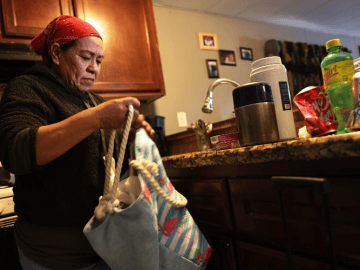
The bipartisan housing package could expand mortgage access, increase affordable housing construction, and create new protections for working families struggling to buy or keep a home.
For many families across California, buying a home has started to feel out of reach.
Home prices remain high. Mortgage rates continue to challenge first-time buyers. Rent consumes large portions of household budgets. In Los Angeles, where housing costs rank among the highest in the nation, many working families have postponed homeownership entirely.
That is why housing advocates and community organizations are closely watching the 21st Century ROAD to Housing Act, a sweeping bipartisan housing package that appears on track to become law.
If enacted, the legislation could make it easier for some families to secure mortgages, encourage more affordable housing construction, and address barriers that have disproportionately affected Latino households seeking to build wealth through homeownership.
Why This Matters for Latino Families
Housing affordability consistently ranks among the top economic concerns for Latino voters.
According to the U.S. Census Bureau, Latino homeownership rates remain significantly below those of white households. Because homeownership remains one of the primary ways families build wealth in America, that gap has long-term consequences for financial security and intergenerational wealth.
Organizations such as the civil rights group UnidosUS have welcomed the legislation, arguing that expanding affordable housing and increasing access to financing could help address long-standing inequities.
In California, where Latino households represent a large and growing share of first-time homebuyers, the stakes are particularly high.
Expanding Access to Mortgages
One provision receiving significant attention is a new Federal Housing Administration pilot program focused on small-dollar mortgages.
Many affordable starter homes in certain communities cost less than $100,000. Yet traditional lenders often avoid issuing loans for smaller amounts because they generate lower profits.
The pilot program seeks to address that problem by encouraging lenders to make these mortgages available.
For first-time buyers, young families, and households with limited savings, easier access to smaller loans could open new pathways to homeownership.
Addressing Appraisal Bias
The legislation also seeks to address concerns about appraisal bias.
Research and federal investigations have documented cases in which homes owned by Black and Latino families were appraised at lower values than similar homes in predominantly white neighborhoods.
Under the legislation, consumers would receive clearer information about how to request a second appraisal if they believe a property has been unfairly undervalued.
For homeowners, an appraisal can affect refinancing opportunities, borrowing power, and long-term household wealth.
Building More Affordable Housing
California’s housing shortage did not develop overnight.
State leaders, housing researchers, and local governments generally agree that decades of underbuilding have contributed to today’s affordability crisis.
The legislation aims to accelerate housing production by streamlining certain federal reviews and updating housing rules that supporters say can unnecessarily delay construction.
The bill also seeks to encourage communities to permit more diverse housing options, including multifamily developments and manufactured housing.
Supporters argue that increasing supply is essential because more homes generally help reduce price pressures over time.
Limiting Corporate Purchases of Starter Homes
Another provision targets large institutional investors.
Over the past several years, corporate buyers have purchased increasing numbers of single-family homes in some markets, often converting them into rental properties.
Critics argue that this trend reduces opportunities for families attempting to purchase their first home.
The legislation includes measures designed to discourage large-scale corporate acquisitions of homes that could otherwise be purchased by owner-occupants.
For many working families, the issue goes beyond housing. It is also about whether communities remain places where local residents can realistically buy homes and build roots.
Helping Families Repair Existing Homes
The bill would also establish a pilot grant program for whole-home repairs.
Low-income homeowners often struggle to pay for expensive repairs such as roofing, plumbing, electrical upgrades, or energy-efficiency improvements.
Repair assistance could help families remain safely in their homes, lower utility costs, and preserve assets that can eventually be passed to future generations.
What This Means for California Families
The legislation will not immediately solve California’s housing crisis.
Home prices are unlikely to suddenly decline, and many affordability challenges remain.
But supporters argue that the bill addresses several underlying issues at the same time:
As of Friday evening, the legislation appears on track to become law unless President Trump issues a last-minute veto.
Even if a veto occurs, the bill’s overwhelming bipartisan support in Congress suggests lawmakers could have the votes necessary to override it.
Regardless of the final procedural steps, the broad bipartisan support behind the legislation reflects something increasingly rare in Washington: agreement that America’s housing shortage has become an economic challenge affecting families across political, geographic, and racial lines.
For California families struggling with high housing costs, the question is no longer whether housing affordability is a crisis.
It is whether policies like these can begin making homeownership possible again.