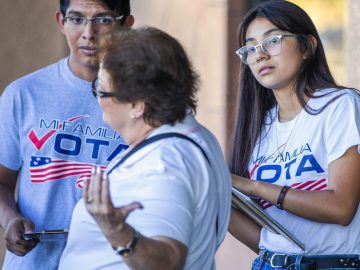
New research shows Latino voters remain deeply connected to their identity and communities, but increasingly reject political stereotypes and want leaders to address everyday concerns like affordability, housing and opportunity.
For years, politicians and pundits talked about “the Latino vote” as if millions of Hispanic Americans shared the same priorities and political beliefs.
New research suggests that idea no longer matches reality.
Taken together, a new survey from the Pew Research Center and the latest bipartisan polling from UnidosUS paint a more complicated picture of Latino politics in America. Latinos remain deeply connected to their culture and communities, but they are also politically diverse, economically anxious and increasingly skeptical that either party fully understands their daily concerns.
The Biggest Finding: There Is No Single Latino Vote
Pew found that Latinos are divided over whether being Hispanic helps or hurts their ability to succeed in America.
One-third say being Hispanic makes it harder to get ahead. Others say it helps, while many say it makes no difference. The survey also found major differences in how Latinos identify themselves and how strongly they feel connected to issues affecting the broader Hispanic community.
Politically, this matters because it challenges a long-standing assumption.
Latinos are not moving in one ideological direction.
They are becoming more diverse in their experiences, priorities and political outlook.
Identity Matters. But Daily Life Matters More.
Pew found that 61% of Hispanics say being Hispanic is a very or extremely important part of who they are.
Yet UnidosUS polling suggests identity alone does not determine political behavior.
Latino voters overwhelmingly say their top concerns are cost of living, wages, healthcare costs and housing affordability. In California, 61% identified the cost of living as their top issue.
The message is significant:
Cultural identity matters.
But kitchen-table economics often matter more.
Candidates who speak only about symbolism or identity may struggle to connect with voters who are worried about paying rent, affording groceries and keeping up with rising costs.
Economic Anxiety Is Reshaping Latino Politics
The UnidosUS survey found that:
- 68% say the country is headed in the wrong direction.
- Only 15% say they are living comfortably financially.
- Majorities expect their financial situation to worsen.
- Large numbers say national leaders are not focused enough on improving the economy.
These findings suggest that economic pressures are becoming one of the strongest forces shaping Latino political attitudes.
For many California families, concerns about inflation, housing costs and healthcare expenses are not abstract policy issues.
They are everyday realities.
Discrimination and Belonging Still Matter
Economic concerns are not replacing identity issues entirely.
Pew found that:
- 34% experienced discrimination because they are Hispanic.
- 29% were criticized for speaking Spanish.
- 26% were told to go back to another country.
These experiences affect more than feelings.
They influence trust, civic participation and whether people believe institutions are working for them.
The surveys suggest many Latinos are trying to balance two realities at once:
They are increasingly influential in America.
Yet many still experience exclusion and uncertainty about whether they fully belong.
Immigration Remains Important, But It Is Not the Only Issue
The research also suggests immigration no longer stands alone as the defining issue for Latino voters.
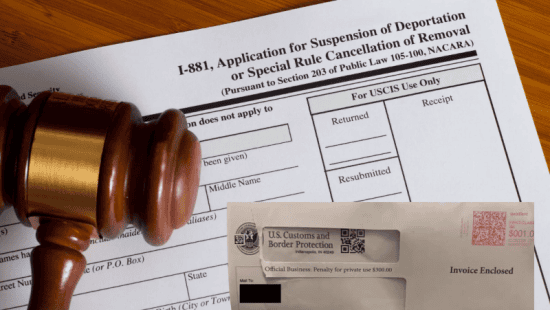
UnidosUS polling found strong support for legal status pathways for long-residing undocumented immigrants and continued concern about immigration policy. At the same time, voters ranked affordability, wages, healthcare and housing among their highest priorities.
For politicians, this means Latino voters cannot be understood through a single issue.
Families are navigating immigration concerns alongside economic pressures, housing shortages and rising healthcare costs.
Why This Matters for California and Los Angeles
California’s Latino communities sit at the center of many of these challenges.
Latinos make up large portions of the state’s workforce, are heavily represented among small-business owners and are disproportionately affected by housing costs and cost-of-living pressures.
The surveys suggest future Latino political engagement may increasingly depend on whether leaders can address issues that cut across ideological lines:
- Economic mobility
- Housing affordability
- Healthcare access
- Educational opportunity
- Public safety
- Respect and belonging